


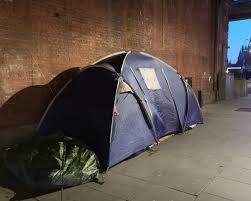
According to Naccom, a network of 140 frontline refugee and migrant organisations. The charity warns that thousands are increasingly being pushed into destitution due to near-constant government policy changes and problems linked to the rollout of eVisas, which many refugees have been unable to activate to access essential services.
In 2024–25, Naccom members were approached by at least 3,450 refugees and migrants seeking accommodation who could not be housed, figures the network says significantly understate the true scale of the crisis.
During the same period, members provided 672,807 nights of accommodation to 4,434 homeless people, the highest number recorded since 2013. Rough sleeping has risen sharply: 829 people were sleeping on the streets when they sought help, compared with 378 the previous year.
Refugees accounted for 2,008 of those housed, a 106% increase on 2022–23.
Naccom’s Director, Bridget Young, said the findings reveal “a continuing crisis with no end in sight,” worsened by a political climate that has allowed hostile immigration policies and far-right sentiment to spread. She noted that some newly recognised refugees have been evicted en masse from asylum accommodation, leaving many sleeping rough and vulnerable to assault.
A Home Office pilot that extended the move-on period for new refugees from 28 to 56 days ended in September, returning the timeframe to 28 days for single adults, with plans to reduce it for vulnerable groups. NGOs say this policy is directly contributing to rising street homelessness.
The Home Office said the 56-day period remains in place for families and vulnerable individuals until year-end while an evaluation continues.

