


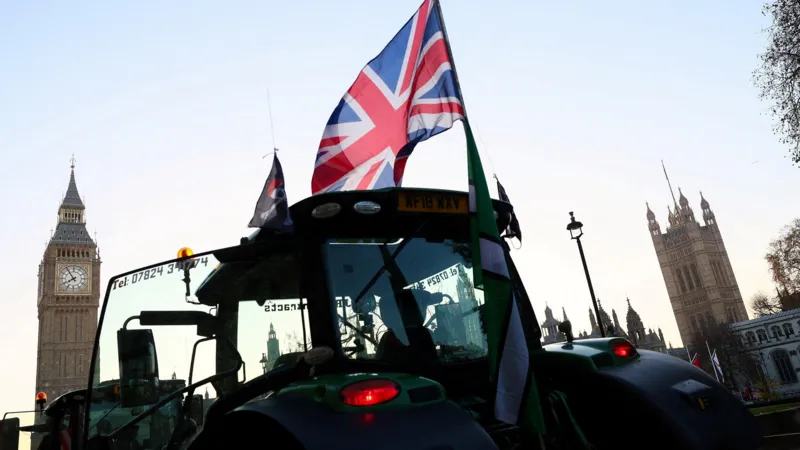
The UK Government has softened its proposed inheritance tax changes for farmland, raising the threshold from £1m to £2.5m following months of protests by farmers and growing unease within the Labour Party.
Under the revised plan, a 20% tax will apply only to inherited agricultural assets valued above £2.5m from April 2026. The original proposal, announced in last year’s Budget, had set the threshold at £1m, sparking widespread concern across the farming sector.
Environment Secretary Emma Reynolds said the changes were made after listening to farmers’ concerns, stressing that the aim was to protect family-run farms while ensuring larger estates make a fair contribution. She described ordinary farms as the backbone of rural communities and said the revised policy strikes a better balance.
The move has been welcomed by the National Farmers’ Union (NFU). Its president, Tom Bradshaw, said the higher threshold would shield many family farms from what he described as a damaging policy. However, others warned the changes may not go far enough.
Gavin Lane, president of the Country Land and Business Association, said the government deserved credit for revising its plans but cautioned that many family farms could still struggle. He noted that high land values and expensive equipment can push businesses above the threshold, even when profit margins remain tight.
The inheritance tax proposal has triggered repeated protests outside Parliament over the past year and has caused division within Labour ranks.
Several rural MPs have voiced concerns, with one backbencher, Markus Campbell-Savours, voting against the policy and subsequently being suspended from the party.
While the revised threshold eases pressure on some farmers, debate over the long-term impact of the tax is expected to continue.
For more details, visit New Daily Prime

