


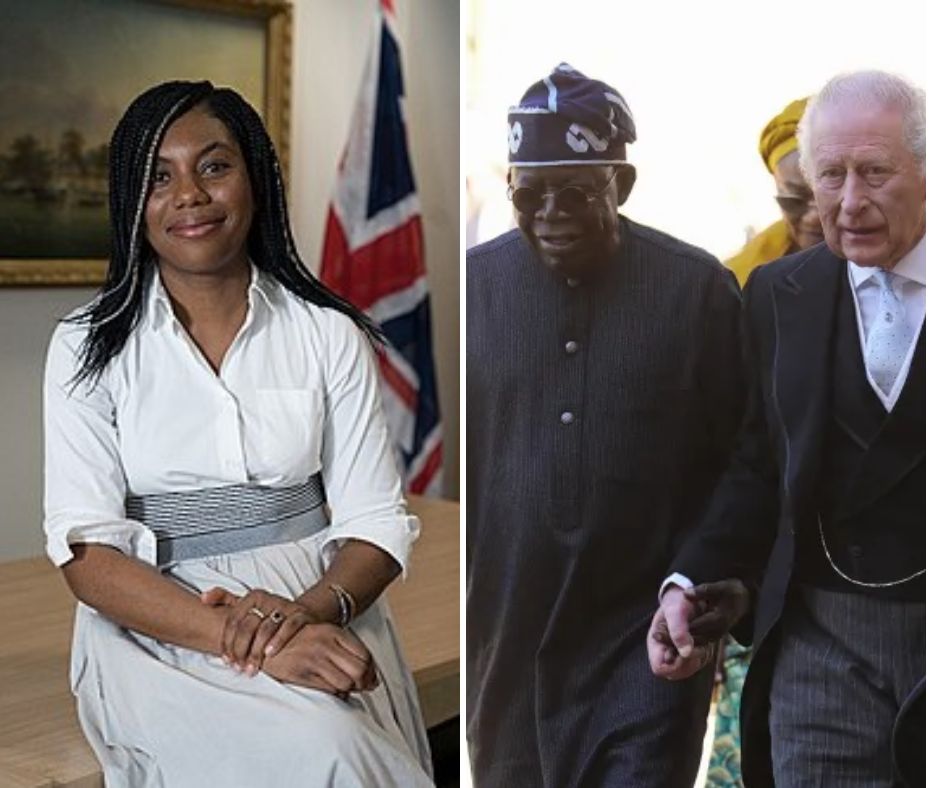
President Bola Ahmed Tinubu will conclude his two-day state visit to the United Kingdom on Thursday, ending a trip seen as a reset in relations between London and Abuja, but one that has also drawn attention for a notable political absence.
The visit, hosted by King Charles III and Queen Camilla at Windsor Castle, is the first by a Nigerian president in 37 years. It has combined royal ceremony with strategic talks aimed at strengthening trade, investment and diplomatic ties.
President Tinubu and the First Lady, Oluremi Tinubu, are expected to round off the visit with a private breakfast with the King and Queen on Thursday morning before departing for London and returning to Nigeria later in the day.
A Buckingham Palace source described the visit as “a significant moment in reaffirming the historic relationship between the United Kingdom and Nigeria, with a focus on future economic cooperation”.
Read related news:
Warmest day of year as royal welcome for Tinubu unfolds at Windsor
Lagos APC commends Tinubu UK visit, says it will help Nigeria economy
Tinubu to recruit 98,000 campaigners in Ondo for 2027
The programme has followed the traditional structure of a state visit, including a ceremonial welcome, carriage procession, inspection of the Guard of Honour and a state banquet, all staged within the grounds of Windsor Castle.
However, the absence of any meeting between President Tinubu and Kemi Badenoch has drawn attention, particularly among members of the Nigerian diaspora in Britain who had expected some form of political engagement.
Badenoch, one of the most prominent British politicians of Nigerian heritage, has been outspoken in her criticism of Nigeria’s governance. She has previously cited corruption and weak institutions as defining challenges, warning that poor accountability can undermine national development.
A senior UK political source said there had been “no plans” for a meeting, adding that the visit was “strictly focused on state and diplomatic business rather than party-political engagement”.
Her absence nonetheless underlines a broader tension. While the visit projects unity at a diplomatic level, Badenoch’s comments in recent years have exposed divisions over how Nigeria is viewed internationally — and how members of its diaspora engage with that image.
Nigerian officials have consistently pushed back against such criticism. In previous responses, senior figures in Abuja have defended the country’s progress and rejected what they describe as negative portrayals.
Despite that backdrop, both governments have sought to keep the focus on cooperation. Officials say discussions during the visit have centred on expanding economic ties, improving security collaboration and strengthening long-standing links between the two countries.
Diplomatic observers say the symbolism of the visit is as important as its substance.
“This is about signalling continuity and partnership,” said one London-based analyst. “But it also highlights how political narratives about Nigeria differ, even within the UK.”
As President Tinubu prepares to depart, the visit leaves a dual legacy , one of renewed diplomatic engagement, but also of unresolved political debate.
For now, the message from Windsor has been one of partnership. But beyond the ceremony, the conversation about Nigeria’s image and leadership, both at home and abroad, is far from settled.

