


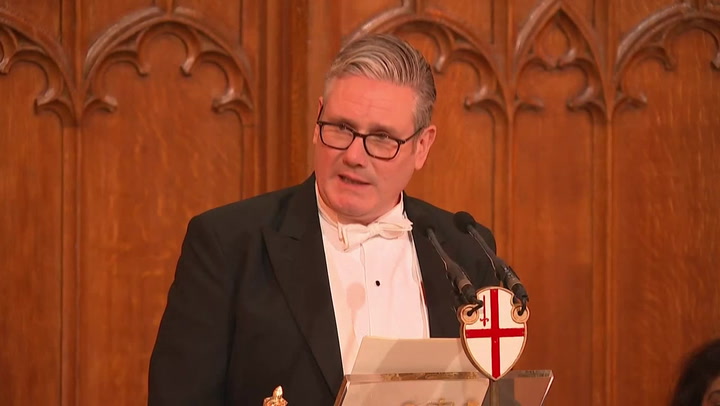
Since coming to power in 2024, Prime Minister Sir Keir Starmer’s government has faced repeated criticism for reversing key policies, drawing accusations of broken promises and U-turns.
The latest reversal concerns business rate relief for pubs. Chancellor Rachel Reeves had planned to end temporary Covid-era relief, which would have raised bills for many pubs and restaurants.
Following backlash from Labour MPs and the hospitality sector, she is now set to scale back the plan.
Starmer’s administration has also softened plans to tax inherited farmland after protests from farmers. The original policy would have taxed assets above £1 million at 20%, but the threshold was raised to £2.5 million after talks with the National Farmers’ Union.
Other notable reversals include abandoning proposed cuts to personal independence payments (PIP), reversing restrictions on winter fuel payments for pensioners, and agreeing to hold a national inquiry into grooming gangs after months of resistance.
The government has also revisited decisions affecting Waspi women, who lost pension entitlements, and implemented an employer national insurance increase despite pre-election promises not to raise taxes on working people.
Critics argue these U-turns show inconsistency and poor planning, while the government says some reversals were necessary due to public feedback, economic conditions, or new evidence.
Starmer’s team now faces the challenge of restoring public confidence as more policy changes are anticipated in response to sectoral and public pressures.
For more details, visit New Daily Prime

