


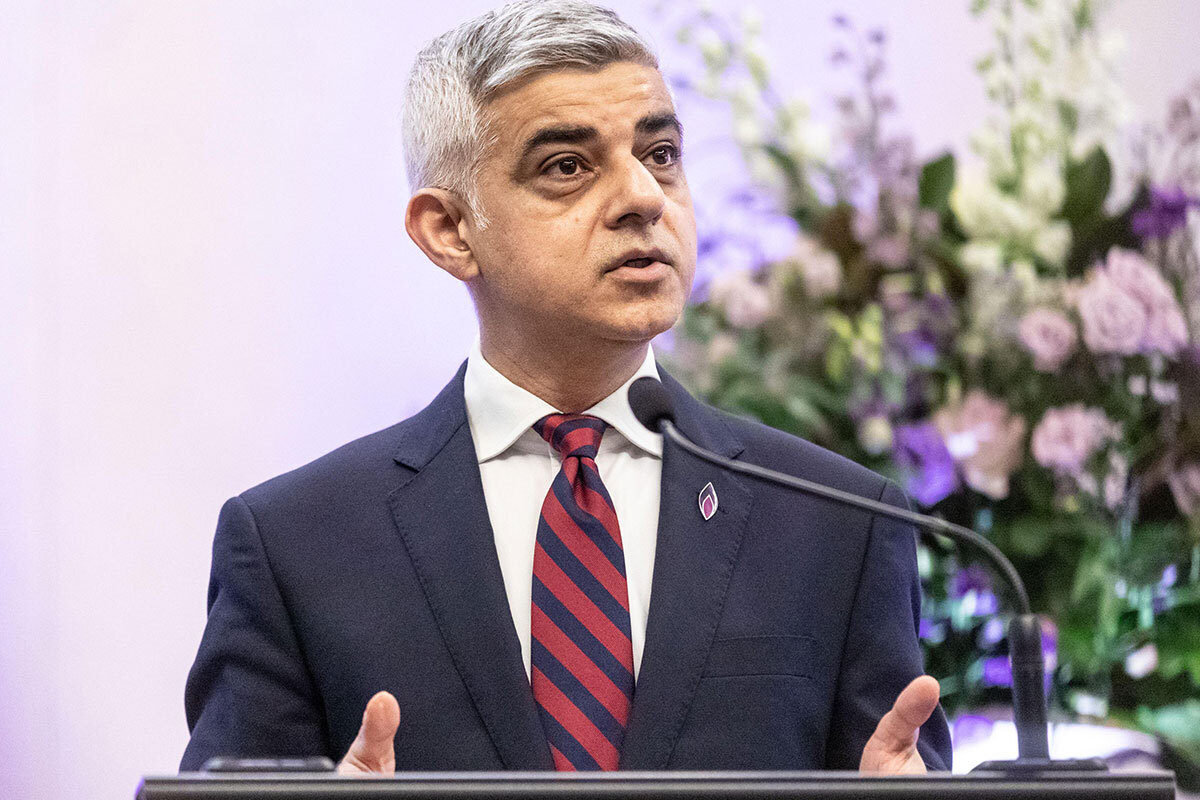
The number of people sleeping rough on the streets of the capital has risen by 63 per cent since Sadiq Khan became mayor, new figures reveal – yet the London mayor insists he is “confident” he can reverse the trend and end rough sleeping entirely by 2030.
According to data from the Combined Homelessness and Information Network (CHAIN), rough sleeping in London increased from 8,096 in 2015/16 to 13,231 in the most recent count – a sharp rise that has fuelled criticism of the mayor’s record on homelessness. Sir Sadiq Khan, speaking exclusively to the Local Democracy Reporting Service during a visit to a homeless hotel in East London, acknowledged the challenge but doubled down on his manifesto pledge to eliminate rough sleeping within the next four years.
“I’ve been confident from day one that we can turn the tide,” he said. “Over the last nine and a half years, we’ve supported 20,000 rough sleepers. Three quarters of those have stayed off our streets – that’s good. But the problem is there are more and more new people coming to our capital city and so more and more people are ending up on our streets.”
Read related news from New Daily Prime: Trump tells Starmer to use military against migrants, says he blocked Sadiq Khan from state banquet
Khan stressed a strategy focused on prevention and early intervention. “I’m determined to prevent, at source, somebody becoming a rough sleeper in the first place,” he explained. He pointed to new initiatives, including “Ending Homelessness hubs”, “Homes Off The Street” to clear accommodation for those leaving hospital, and efforts to reform “perverse” verification rules that require people to be sleeping rough before they qualify for support. “There’s almost an incentive to be rough sleeping because you don’t get support without being a rough sleeper,” he said. “So we’re trying to change the verification rules as well.”
The mayor highlighted London’s relative performance compared to the rest of the UK, where rough sleeping is estimated to have risen by 111 per cent since 2016. “Never before in an eight-year period have so many rough sleepers been taken off our streets,” he added. “Never before have so many been kept off our streets.”
Yet charities remain concerned. Francesca Albanese, Director of Policy at Crisis, told the LDRS that a lack of affordable housing is the biggest barrier to rehousing rough sleepers. “Both the GLA and the government have got strategies to address homelessness and rough sleeping and they’re really welcome,” she said. “So they’ve focused on prevention, they’re focusing on people who have long-term needs. What I would say needs to be different is we need more genuinely affordable housing now.”
Albanese pointed to recent data from the Greater London Authority showing developers made only 1,239 starts on affordable homes from April to September 2025 – a sharp drop from 3,991 in the previous financial year. “In London less than four per cent of homes are affordable and that would make a massive difference now in terms of what people need and to help people move out of homelessness into a home of their own,” she added.
The extension of a homeless hotel in East London, funded by £200,000 from City Hall, is providing up to 180 rough sleepers with private rooms, three meals a day, and specialist support from Crisis and St Mungo’s until January 21. Khan praised the scheme as part of a wider effort to get people off the streets, but critics argue that without a dramatic increase in affordable housing stock, such interventions remain temporary fixes.
The mayor’s optimism echoes his success during the pandemic, when London cleared rough sleeping through emergency measures. “We’ve done it before,” he said. “During the pandemic, we did it. But also during the 2000s with the last Labour government, we did it. I’m comfortable we can do it again.”
As London’s housing crisis deepens, with average rents and property prices remaining among the highest in Europe, the mayor’s 2030 target will face intense scrutiny. Campaigners and charities say bold action on social housing is essential if the capital is to avoid seeing rough sleeping become a permanent feature of its streets.
For more details, visit www.newdailyprime.news

