


Home Secretary Shabana Mahmood has announced a new trial scheme offering failed asylum seeker families up to £40,000 to voluntarily leave the United Kingdom. Under the proposal, individuals would receive “incentive payments” of £10,000 each, capped at four people per family, provided they agree to depart within seven days.
The Home Secretary framed the policy as a cost-saving measure for the taxpayer. She noted that housing a family of three in asylum accommodation currently costs roughly £158,000 per year. By targeting approximately 150 families currently in taxpayer-funded housing, the Home Office estimates the scheme could save the Treasury.
Read related news:
UK scraps automatic five-year settlement for Asylum seekers
UK Sex assault trial of failed Asylum seeker halted after court fails to secure interpreter
When romance fades in a relationship: Choosing reality over fantasy
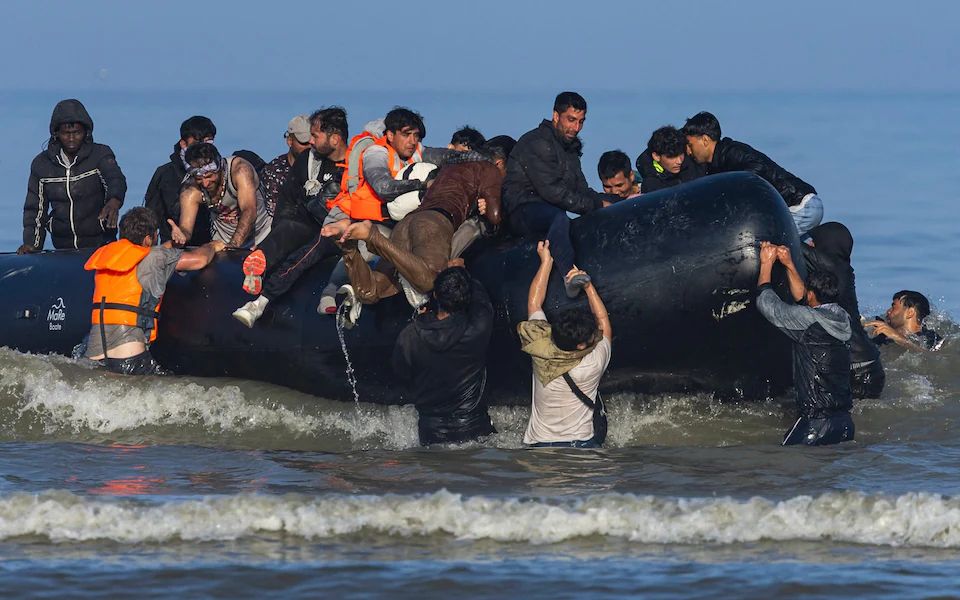
Speaking to a left-leaning think tank on Thursday, Mahmood argued that the current system, which often fails to remove families with children, creates a “perverse incentive” for people to cross the Channel with minors. She stated that while the government prefers voluntary departures, it will seek to forcibly remove those who do not accept the offer.
“We want to offer an increased incentive payment that will represent a significant saving,” Mahmood said, citing similar reforms successfully introduced in Denmark. The government is currently consulting on how to handle the removal of families who refuse to leave “in a way that is humane and effective.”
Political Backlash
The announcement has drawn sharp criticism from across the political spectrum. Conservative Shadow Home Secretary Chris Philp labeled the payments an “insult to the British taxpayer.”
Reform UK also condemned the high figures. While the party has previously suggested financial incentives for voluntary deportations, home affairs spokesman Zia Yusuf described the £40,000 cap as “staggering” and characterized it as “a prize for breaking in illegally.”
Government sources have countered these claims, arguing that since human smugglers often charge between £15,000 and £35,000 per person, the payment would not serve as a financial incentive for migrants to make the journey to the UK.
Charities and advocacy groups have expressed alarm over the one-week deadline. The Refugee and Migrant Children’s Consortium, representing 100 organizations, warned that families are being forced into “life-changing decisions” without adequate time to seek legal advice. The group further raised concerns that cutting off support for these families could result in children being left homeless.
The new scheme marks a significant increase from the existing voluntary returns programme, which offers a maximum of £3,000 in financial support for those choosing to leave the country.

