


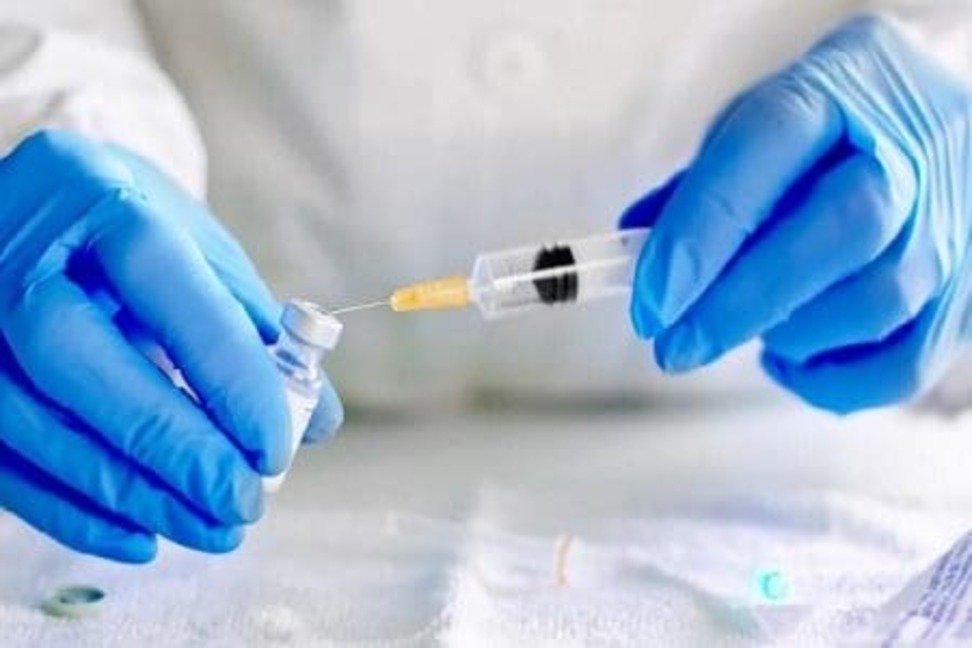
Young children across the UK are now being offered vaccine against chickenpox on the NHS for the first time.
From 1 January, the chickenpox vaccine has been added to the routine childhood immunisation programme in England, Wales and Northern Ireland, with Scotland beginning its rollout shortly afterwards.
The vaccine is given as part of a combined jab known as MMRV, which protects against measles, mumps, rubella and chickenpox.
The new vaccine replaces the existing MMR jab and will be given to children at 12 months and again at 18 months of age. Older children will also be offered catch-up vaccinations depending on their date of birth. Until now, parents who wanted to protect their children against chickenpox had to pay privately, often costing up to £200.
Chickenpox is a very common childhood illness. It usually causes an itchy rash that turns into blisters and scabs, along with fever, aches and several days of feeling unwell. The infection spreads easily, and most children catch it before the age of ten, often needing time away from school or nursery.
While chickenpox is usually mild, health experts warn it can sometimes become serious. In rare cases, it can lead to complications such as infections, lung problems, swelling of the brain, stroke or death. Babies, adults and pregnant women are at greater risk of severe illness.
Health professionals say the introduction of the vaccine will reduce the number of serious cases and ease pressure on families and the NHS. The vaccine has been used safely for many years in countries such as the United States, Canada, Australia and Germany, where it has greatly reduced chickenpox cases and hospital admissions. Studies show the vaccine is around 97 per cent effective after two doses and provides long-lasting protection.
Experts also point to the financial impact of chickenpox, which costs the UK millions of pounds each year due to parents taking time off work and children needing medical care.
NHS England estimates the vaccine could save millions annually in treatment costs alone. After reviewing the evidence, the Joint Committee on Vaccination and Immunisation recommended introducing the vaccine in 2023.
Doctors, health leaders and government officials have welcomed the rollout, calling it an important step in protecting children’s health. Parents are being encouraged to accept the vaccination when invited, with GP surgeries contacting families to arrange appointments.
For more news, visit www.newdailyprime.news

