


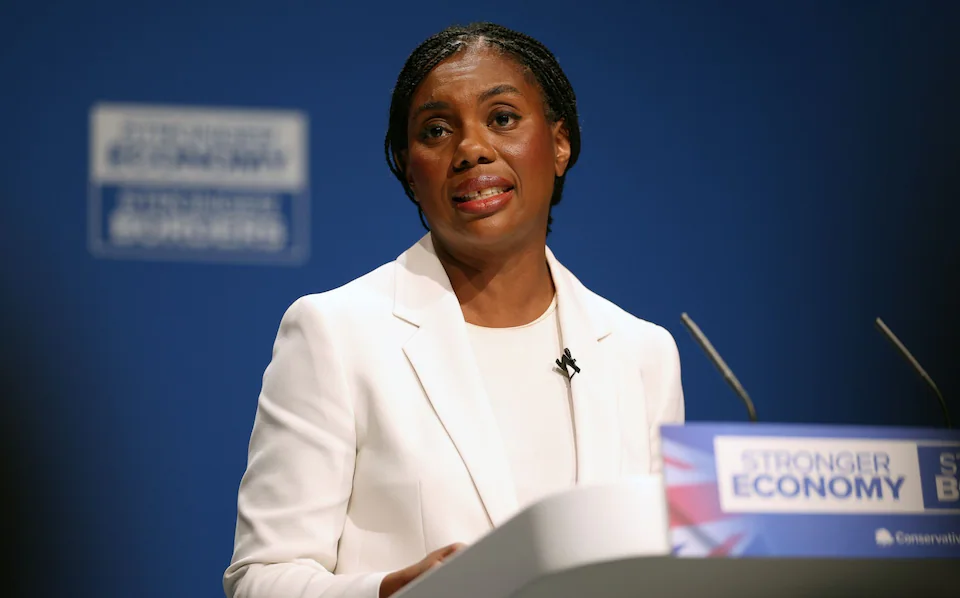
Conservative leader Kemi Badenoch has raised doubts about whether the UK’s minimum wage should rise any further, warning that many businesses are already struggling to cope with current rates.
Speaking in an interview, Badenoch recalled increasing the minimum wage while she was business secretary, only to hear from employers who said the higher costs forced them to cut staff.
She argued that the government must listen to business concerns rather than assuming wage rises automatically help workers.
Recall the Newdailyprime had earlier reported that from April, the minimum wage will increase to £12.71 per hour for workers over 21, with younger workers also receiving significant uplifts. But Badenoch suggested these rates might already be too high for some employers. She said ministers must balance fair pay with other burdens faced by businesses, including taxes, regulation, and operational costs.
According to her, only businesses not government create jobs, and policy should reflect that reality.
Pressed on whether she supported future increases, Badenoch warned against pushing wages beyond what firms can sustain. “You can make the minimum wage £1,000 per hour—if businesses can’t pay it, none of us are going to have a job,” she said. She argued that government intervention has limits and that forcing higher wages risks job losses rather than improving living standards.
In a broader speech on employment, Badenoch accused Labour of failing working people and prioritising welfare spending over business survival. She criticised what she described as excessive benefit payments and argued that too many people were refusing available jobs.
She also reiterated her plan for a major review of which physical and mental health conditions should qualify for disability benefits, saying the system was not designed for today’s “age of diagnosis.”
Labour dismissed her claims, arguing that the Conservatives allowed welfare spending to soar while pushing more children into poverty. Critics, including Liberal Democrat MP Layla Moran, warned that Badenoch’s rhetoric risks stigmatising people with genuine mental health conditions.

