


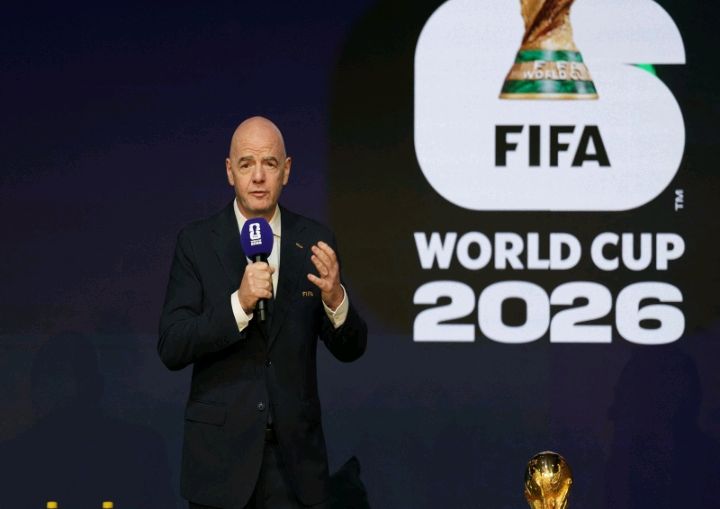
In anticipation of the 2026 FIFA World Cup, which will be jointly hosted by the United States, Mexico, and Canada, FIFA President Gianni Infantino addressed the mounting criticism surrounding the high ticket prices for the event.
During his remarks at the World Sports Summit held in Dubai, Infantino revealed that organizers had received an unprecedented 150 million requests for tickets within a mere two weeks since the ticket sales began.
This was Infantino’s first response to the public outcry regarding the ticket pricing, which many fan groups have deemed “extortionate” and “astronomical.”
In light of these complaints, FIFA has conceded by announcing that a limited number of tickets would be made available at a price point of $60, aiming to make the event more accessible for fans.
”In the last few days, you’ve probably seen that there is significant debate surrounding ticketing and the accompanying prices,”
Infantino stated at the Dubai conference on Monday. He emphasized the overwhelming demand for tickets, noting, “We have six to seven million tickets available for sale, and in the span of just two weeks, we received 150 million ticket requests. This demonstrates just how powerful and sought-after the World Cup is.”
Infantino pointed out that the bulk of ticket requests had originated from the United States, which he noted was followed closely by Germany and Britain in terms of interest.
He underscored the remarkable scale of the interest, asserting, “If you consider that over the 100-year history of the World Cup, FIFA has sold a total of 44 million tickets, the response we have seen in just two weeks could fill an astounding 300 years’ worth of World Cups. This is absolutely unprecedented.”
He further elaborated on the financial implications of the World Cup, stating, “It’s vital to recognize that the revenues generated from this event are reinvested back into the game globally.
FIFA is the only organization that finances the sport of football across the entire globe. Without FIFA, many countries approximately 150 would likely see a significant decline in football development. It is these revenues that allow us to support and sustain football initiatives worldwide.”

