


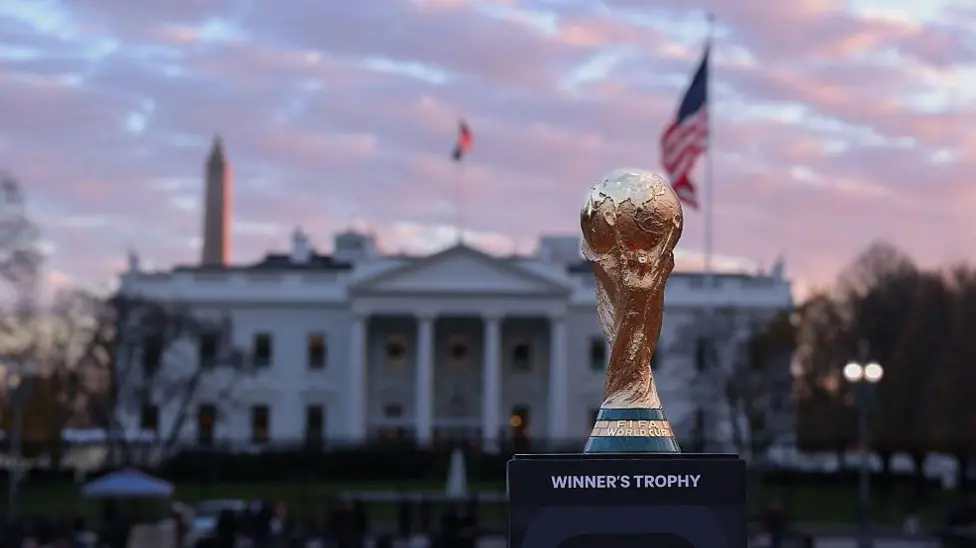
The Football Association is under mounting pressure to intervene after supporters’ groups condemned the “scandalous” ticket prices for the 2026 World Cup in the United States, Canada and Mexico.
The Football Supporters’ Association (FSA) and Football Supporters Europe (FSE) have jointly called for an immediate suspension of ticket sales while they seek urgent talks with Fifa.
Fifa’s newly released pricing structure has sparked widespread anger among fans, particularly in England and Scotland, where loyal travelling supporters say they feel “stabbed in the back”.
Prices for the tournament have soared to unprecedented levels, with even the cheapest tickets for marquee group games costing nearly triple those for the 2022 World Cup in Qatar.
At Qatar 2022, group-stage matches were set at fixed prices of £68.50, £164.50, or £219.
For the 2026 tournament, tickets for fixtures such as England v Croatia and Scotland v Brazil now range from £198 to £523. Prices escalate sharply for knockout rounds: quarter-final seats will cost between £507 and £1,073, with semi-finals rising to £686–£2,363.
The most eye-catching increase is for the final, where the cheapest available ticket stands at £3,119 — seven times the price of the equivalent category in Qatar. Fifa has also removed concessions entirely, meaning children and other groups must pay full adult prices.
The FSA has labelled Fifa’s pricing a “laughable insult”, particularly the so-called ‘supporter value’ category, which it argues is far beyond the reach of the average fan. “We back Football Supporters Europe in calling for a halt in ticket sales,” the FSA said. “We urge the Football Association to work with fellow FAs to challenge these disgraceful prices. Without supporters, there is no professional game.”
The financial burden for dedicated fans is significant. Following a national team through all eight matches — from group stage to final — would cost approximately £5,225 using only the cheapest tickets.
That figure rises to £8,850 for mid-tier seats and an eye-watering £12,357 for top-tier seats. By contrast, in 2022 the equivalent journey would have cost between £1,466 and £3,914 for seven games.
Supporters’ groups argue that FIFA‘s approach will drain the atmosphere from the tournament, replacing passionate, long-travelling fans with wealthier spectators who can afford the premium prices. “This tournament is supposed to be celebrated by the world,” the FSA said. “FIFA has decided to make it about money and the elite. A game that should be for all is now only for those who can afford it.”
Football Supporters Europe has been equally scathing, accusing Fifa of adopting an “extortionate” and “non-transparent” pricing model. It criticised Fifa’s decision to reserve most Category Four tickets — the cheapest band — for general public sales instead of the dedicated supporter allocations traditionally offered through national associations. These general sales will also be subject to dynamic pricing, meaning prices can fluctuate based on demand.
For the first time in World Cup history, fans of different nations could pay different prices for identical ticket categories at the same stage of the competition. FSE said this lack of transparency and consistency is unacceptable. “Ticket prices allocated to national associations are reaching astronomical levels,” the organisation stated. “Perceived attractiveness of fixtures cannot justify such disparity.”
Fifa, the FA and Scottish FA have yet to respond publicly to the criticism. Each household will be limited to four tickets per match and a maximum of 40 tickets across the tournament, but supporters say this does little to ease the financial pressure.
The FSA’s England Fans’ Embassy said: “These prices are a slap in the face to supporters who travel the world backing their team. Loyalty has been thrown out of the window.”
As pressure intensifies, fans hope their national associations will take a united stand. Whether Fifa chooses to review its pricing — or continues on its current path — could shape not only the accessibility of the 2026 World Cup, but the future relationship between football’s governing bodies and the supporters at the heart of the game.

