


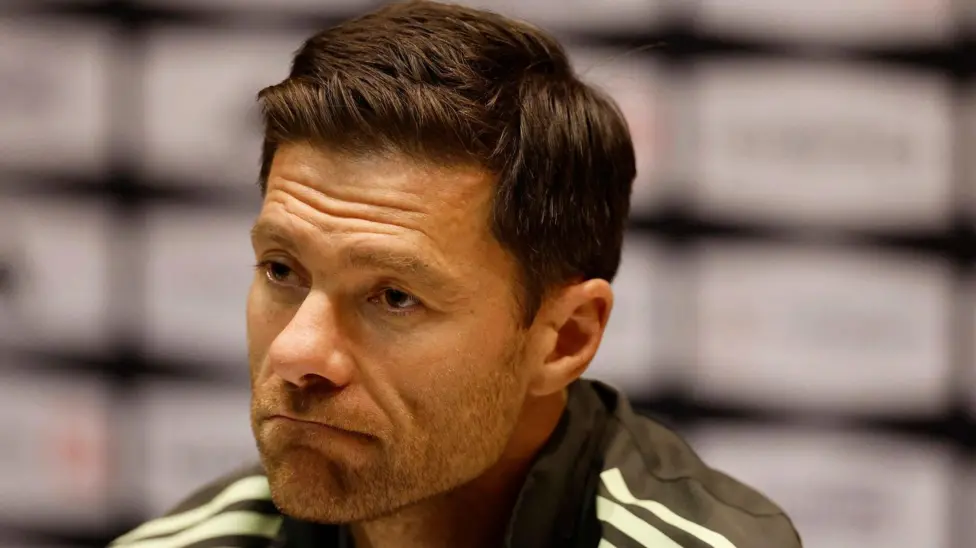
Xabi Alonso’s brief and turbulent reign as Real Madrid manager has come to an end after just eight months, underlining once again the unforgiving nature of life at the Santiago Bernabeu. The club confirmed on Tuesday that Alonso had left his post by mutual consent, with former defender Alvaro Arbeloa promoted from the B team to take charge with immediate effect.
The decision follows a run of results that failed to meet the towering expectations that come with managing the Spanish giants. Sunday’s defeat to fierce rivals Barcelona in the Spanish Super Cup proved to be the final straw, leaving Real four points adrift of Barca in La Liga and prompting decisive action from the club’s hierarchy.
Alonso, 44, arrived in Madrid last summer with a growing reputation as one of Europe’s most exciting young coaches. Fresh from leading Bayer Leverkusen to a historic Bundesliga title in 2024, he replaced Carlo Ancelotti amid high hopes that his modern, structured approach could usher in a new era. Instead, his tenure was marked by flashes of promise overshadowed by damaging defeats and growing tension within the squad.
Although Alonso won 24 of his 34 matches in charge, performances often failed to convince. Heavy losses to Atletico Madrid, Liverpool and Manchester City exposed vulnerabilities in big games, while a shock defeat by Celta Vigo last month saw the team booed off the pitch by frustrated supporters. That result triggered an emergency meeting among senior club figures, with Alonso’s future immediately cast into doubt.
BBC Sport columnist Guillem Balague suggested that the core issue lay in a philosophical mismatch. Alonso, known for his detailed tactical methodology, was reportedly at odds with players more accustomed to relying on instinct and individual brilliance. At Real Madrid, where star power and tradition loom large, that clash proved difficult to reconcile.
Despite the abrupt ending, the club was careful to strike a respectful tone. In a statement, Real Madrid praised Alonso as a legend who “will always have the affection and admiration of all Madrid fans,” emphasising that the Bernabeu “will always be his home.” It was a reminder of Alonso’s illustrious playing career, which included five seasons in white and multiple major honours.
Attention now turns to Arbeloa, a familiar face stepping into unfamiliar territory. The 42-year-old has been coaching within the club’s youth system since 2020 but has never managed a senior side. His appointment is seen as a short-term stabilising move, rooted in loyalty and an intimate understanding of the club’s culture rather than extensive managerial experience.
As a player, Arbeloa enjoyed a decorated career, winning two Champions League titles with Real Madrid, two European Championships and the 2010 World Cup with Spain. He also spent two years at Liverpool, where he forged a close bond with Alonso. That shared history now gives way to contrasting fortunes, as Arbeloa inherits the pressure that proved overwhelming for his former team-mate.
Arbeloa’s first test comes quickly, with a Copa del Rey round-of-16 tie away to second-division Albacete on Wednesday. Beyond that, he faces the daunting task of closing the gap on Barcelona and restoring belief among supporters who have grown restless.
For Alonso, the setback is significant but unlikely to define his career. At just 44, and with his Leverkusen success still fresh in memory, he is expected to remain a sought-after figure in European football. For Real Madrid, meanwhile, his departure serves as another reminder that even the brightest ideas can fade quickly under the relentless spotlight of the Bernabeu.

