


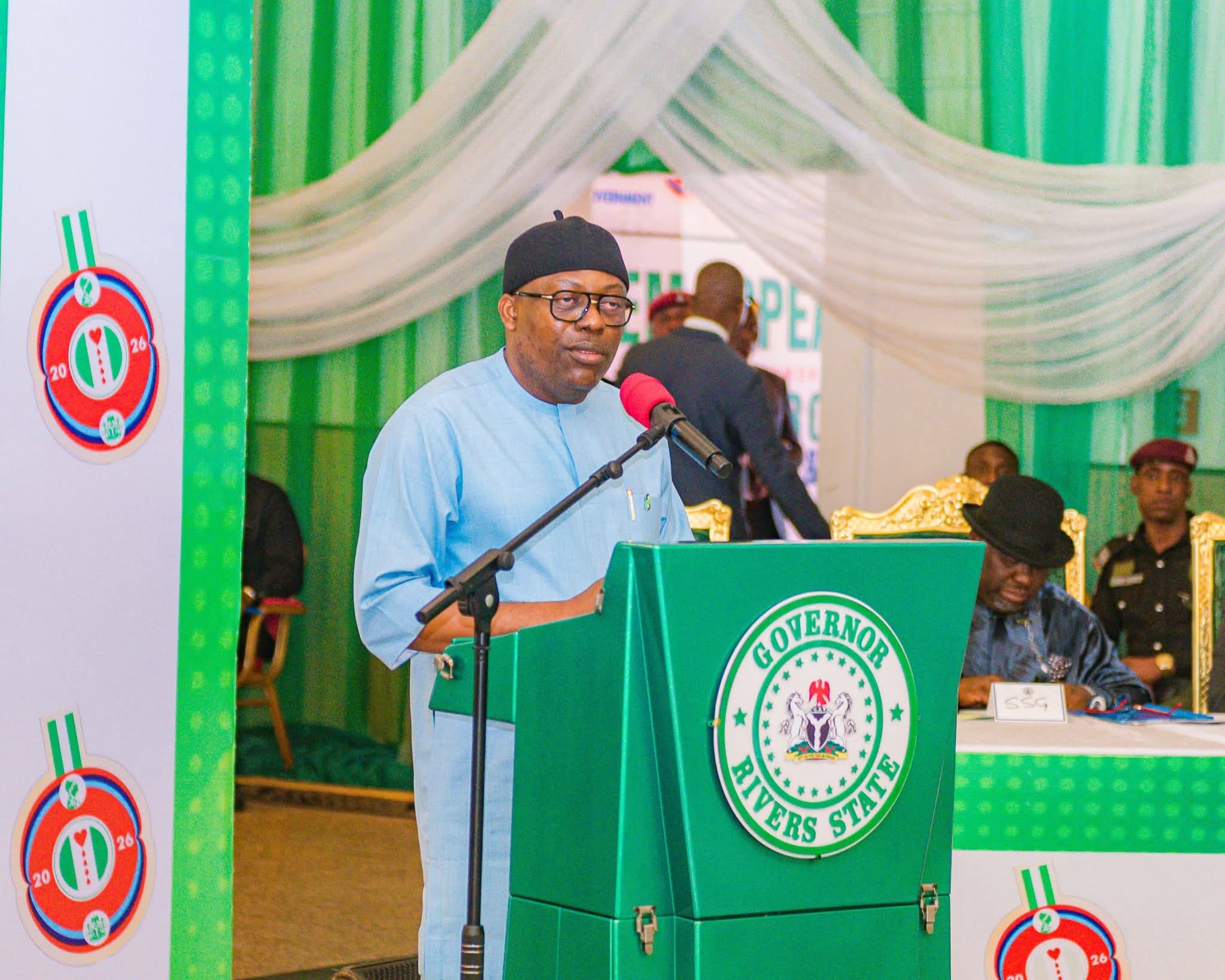
Cracks have continued to widen within the Rivers State House of Assembly as two more lawmakers publicly called on their colleagues to withdraw the ongoing impeachment proceedings against Governor Siminalayi Fubara and his deputy, Professor Ngozi Odu.
The lawmakers, Barile Nwakoh, who represents Khana Constituency I, and Emilia Amadi of Obio/Akpor Constituency II, appealed during a press briefing in Port Harcourt on Wednesday. Their intervention comes barely two days after two other Assembly members broke ranks to advocate restraint and dialogue, signalling growing internal opposition to the impeachment move.
Earlier in the week, Sylvanus Eyinna Nwankwo, the Minority Leader of the House and representative of Omuma State Constituency, alongside Peter Abbey of Degema State Constituency, urged lawmakers to adopt a more conciliatory approach in handling the political standoff between the executive and legislative arms of government.
Addressing journalists, Nwakoh and Amadi aligned themselves with calls for reconciliation, stressing that impeachment should be a last resort rather than a first response to political disagreements. They warned that the process, if pursued hastily, could further destabilise governance in the state and deepen existing divisions within the Assembly.
The lawmakers advocated alternative conflict-resolution mechanisms, hinting at the possibility of dialogue and mediation to resolve the escalating dispute. According to them, sustained stakeholder engagement would better serve the interests of Rivers State than a prolonged political crisis.
Speaking at the briefing, Minority Leader Nwankwo revealed that appeals had been made to Assembly members by prominent leaders both within and outside Rivers State. He said these leaders had urged lawmakers to exercise restraint, prioritise peace, and consider the broader implications of impeachment on governance and stability.
Nwankwo emphasised that while constitutional oversight remains a core responsibility of the legislature, it must be exercised with wisdom and sensitivity to prevailing realities. He called on his colleagues to reconsider the impeachment proceedings and explore peaceful solutions that would preserve democratic order.
Similarly, Abbey acknowledged concerns over alleged constitutional violations by the governor but urged lawmakers to recognise that errors can occur in governance. He noted that the more constructive approach would be to ensure corrective measures are put in place to prevent future breaches rather than resorting immediately to impeachment.
Abbey stressed that Governor Fubara also bears responsibility for addressing any lapses and demonstrating commitment to constitutional compliance in the future.
The unfolding dissent within the Rivers Assembly underscores the deepening complexity of the state’s political crisis. As more lawmakers distance themselves from the impeachment process, attention is increasingly shifting towards whether dialogue and reconciliation can prevail over confrontation in resolving the impasse.

