


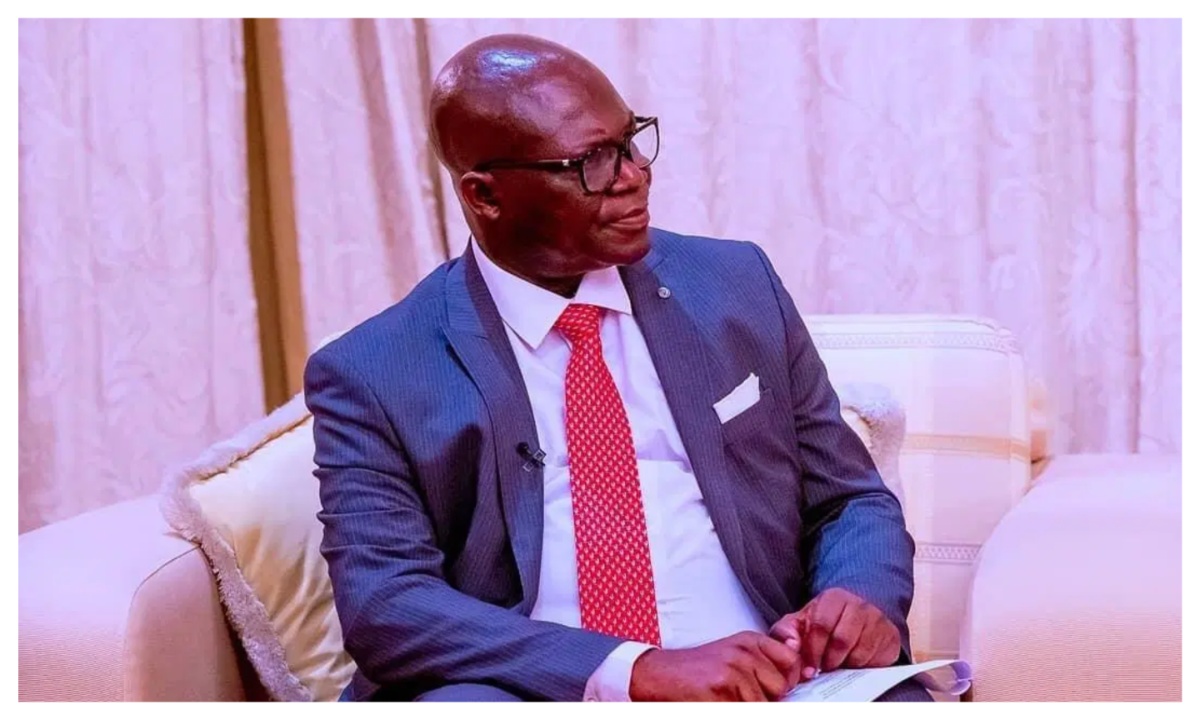
Veteran journalist and former presidential aide, Reuben Abati, has said the defection of Rabiu Musa Kwankwaso to the African Democratic Congress (ADC) could significantly alter Nigeria’s opposition landscape ahead of the 2027 general elections.
Speaking on The Morning Show on Arise Television on Tuesday, Abati noted that Kwankwaso’s move—alongside supporters from the New Nigeria Peoples Party (NNPP)—has strengthened the ADC and positioned it as a potential coalition platform for major opposition figures.
He pointed out that the development brings together key political heavyweights within the party, including Peter Obi, Rotimi Amaechi, and Atiku Abubakar, thereby increasing its relevance in national politics.
Abati emphasised the strategic importance of Kano State in presidential elections, describing it as a critical battleground due to its 44 local government areas and large voting population. He noted that states such as Kano, Rivers State, and Lagos State often play decisive roles in determining electoral outcomes.
According to him, Kwankwaso’s influence in Kano—where he is widely regarded as a dominant political figure—could significantly shape the dynamics of the 2027 race following his defection.
However, Abati raised concerns about potential internal competition within the ADC, particularly regarding its presidential ticket. He noted that Kwankwaso has long harboured presidential ambitions, raising questions about whether he would emerge as the party’s candidate, accept a running mate position, or become part of a broader political arrangement.
He also referenced growing speculation about a possible alliance between Kwankwaso and Peter Obi, popularly dubbed “PitaKwa”, while questioning how such a scenario might affect the position of Atiku Abubakar within the party.
“Now, would they give him the ticket? Will he become a running mate to another person? … Where does that leave Waziri Adamawa?” Abati queried, highlighting the complexities of coalition politics.
He concluded that the current developments mark only the early stages of what could become an intense period of political manoeuvring, predicting that more drama would unfold as parties and candidates position themselves for the 2027 elections.

