


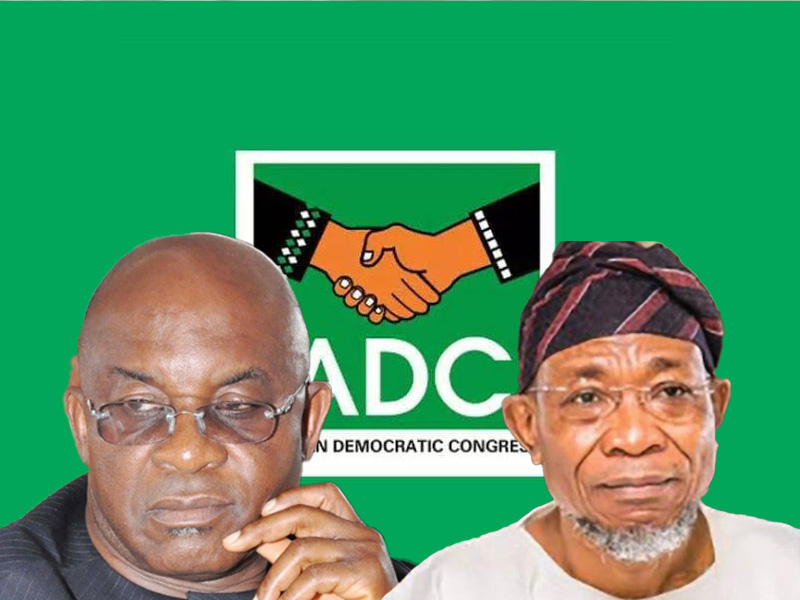
Nigeria’s electoral body, the Independent National Electoral Commission (INEC), has reaffirmed its commitment to neutrality and impartiality while suspending all engagement with factions of the African Democratic Congress (ADC) amid a deepening leadership crisis with significant implications for the 2027 general elections.
For more updates on party developments, follow the latest APC news in Nigeria.
INEC Declares Neutrality, Cites Court Orders
In an official statement, the National Commissioner and Chairman of the Information and Voter Education Committee, Mallam Mohammed Kudu Haruna, stressed the Commission’s “unwavering commitment to remain impartial and unbiased.”
INEC said its actions are guided strictly by a ruling of the Court of Appeal, which directed all parties involved in the dispute to maintain the status quo ante bellum—preserving the situation as it existed before the legal conflict began.
Read related news:
2027: INEC unveils draft rules to curb flawed primaries, campaign spending
INEC releases final list for Osun governorship election
INEC assures Nigerians of electronic results transmission in 2027, warns against expecting ‘perfect’ poll
ADC alleges APC plot to stage protest against David Mark
The development reflects broader trends in APC political updates across Nigeria.
The Commission emphasised that this directive is necessary to protect the integrity of ongoing judicial proceedings and prevent any party from gaining undue advantage.
ADC Leadership Crisis: Mark vs Gombe Factions
The crisis within the ADC centres on competing claims to the party’s leadership: A faction led by David Mark asserts legitimacy following the resignation of the previous executive in July 2025. Nafiu Bala Gombe, the National Vice Chairman, disputes this claim, insisting he never resigned and should automatically assume leadership
The dispute escalated into litigation after Gombe filed a suit seeking to restrain the Mark-led leadership from acting on behalf of the party.
INEC confirmed receiving multiple legal communications from opposing factions: A letter from Suleiman Usman SAN & Co cautioning against recognising Gombe as Acting Chairman, A counter-demand from Summit Law Chambers representing Gombe, requesting the Commission to:
Stop recognising David Mark and Rauf Aregbesola, remove their names from INEC’s official portal and cease all dealings with their faction. These conflicting demands pushed the dispute to a critical point, forcing INEC to adopt a strictly neutral position.
INEC Suspends Dealings, Removes Party Leadership Names
To comply with the court’s preservatory orders, INEC announced decisive measures: Removal of the Mark-led National Working Committee from its portal, Suspension of recognition for any ADC faction, refusal to receive correspondence from either group and Withdrawal from monitoring party meetings, congresses, or conventions
The Commission stated clearly that it would not engage with any party structure until the Federal High Court delivers a final ruling.
The INEC–ADC dispute comes at a crucial time in Nigeria’s political cycle. The ADC has recently gained prominence amid ongoing political realignments, with high-profile defections strengthening its position within a growing opposition coalition.
However, the leadership crisis now threatens to disrupt: Candidate registration processes, Internal party organisation and electoral preparedness for 2027
Political observers warn that prolonged uncertainty could weaken the party’s competitiveness.
Electoral Integrity and Public Confidence at Stake
Analysts caution that unresolved tensions between INEC and opposition parties may undermine public trust in Nigeria’s electoral system.
Key concerns include: perceived fairness in electoral administration, equal access to regulatory processes and transparency in decision-making
INEC, however, maintains that all registered political parties are treated equally and that its decisions are purely procedural and legally grounded. However, Stakeholders have called for constructive engagement between INEC and political actors to ease tensions and ensure a smooth electoral process.
With preparations for the 2027 elections already underway, experts stress the need for: Clear communication, Timely judicial resolution and Institutional transparency
The ongoing dispute between INEC and the ADC is more than a party leadership struggle—it represents a broader test of Nigeria’s democratic institutions.
As the courts deliberate, the outcome will not only determine the leadership of the ADC but also shape perceptions of electoral fairness and institutional credibility ahead of one of Nigeria’s most anticipated elections.
For now, INEC’s decision to step back underscores a central message: the rule of law remains the ultimate arbiter in Nigeria’s electoral process.
Read more breaking stories from our latest nigeria news

