


By Kareem Kerimot Opeyemi
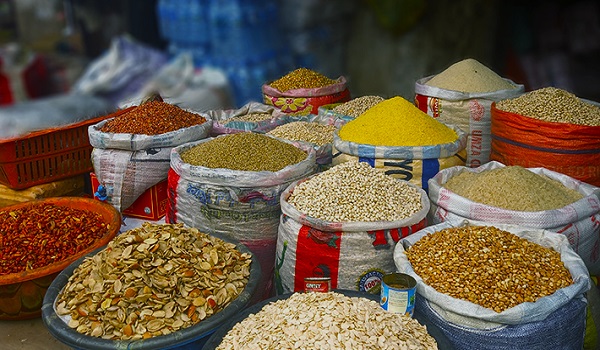
Food inflation in Nigeria is forcing university students to make difficult choices, with many now skipping meals, cutting portions, or relying on cheaper alternatives to survive.
Read more breaking stories from our latest nigeria news
Across campuses, rising food prices are reshaping daily life for students already dealing with tuition, transport, and accommodation costs.
At Fountain University in Osogbo, final-year Mass Communication student Kerimoh carefully measures her remaining food supplies, hoping to stretch a small quantity of rice over several days.
“I have to plan everything now,” she says. “What used to last a week barely lasts three days.”
Rising Food Prices Put Students Under Pressure
According to the National Bureau of Statistics, food inflation in Nigeria has surged in recent years, placing increasing pressure on households and students alike.
For many students who depend on family support, the situation is becoming unsustainable. With inflation driving up the cost of food, transport, and housing, basic living expenses are rising faster than available income.
For more updates, follow the latest in economics
On campus, the impact is clear.
Meals that once cost N300 have become significantly more expensive. In some cases, what used to buy a full plate of food now covers only a small portion.
“I only eat twice a day now,” says Ibrahim, a final-year student. “Sometimes just once. Hunger has become part of student life.”
Coping Strategies: Survival Over Comfort
To cope with rising food prices, students are adopting new survival strategies.
Some cook in bulk to reduce daily expenses. Others rely on instant noodles or skip meals altogether. Informal support systems are also emerging, including cooperative cooking groups and food-sharing communities organised through social media.
Student unions in some universities are beginning to push for solutions, including subsidised meals and campus food banks.
But these efforts remain limited compared to the scale of the problem.
Impact on Health and Academic Performance
Lecturers and health experts warn that the effects go beyond hunger.
Students struggling with inadequate nutrition often experience fatigue, poor concentration, and declining academic performance. Some skip classes entirely due to low energy levels.
Health professionals say prolonged food insecurity could weaken immune systems and increase vulnerability to illness.
A Wider Economic Challenge
Experts say the situation facing students reflects a broader national issue.
Dr Funke Adeyemi, an economist, notes that rising food prices are linked to deeper structural challenges, including high transportation costs, supply chain disruptions, and limited agricultural investment.
“What we see among students is a reflection of what many families are experiencing across the country,” she explains.
She adds that long-term solutions will require coordinated efforts, including improved agricultural production, better market regulation, and reduced logistics costs.
Despite the challenges, students continue to adapt.
Many are finding creative ways to manage limited resources while staying focused on their education. However, the growing cost of living is changing what university life looks like.
For students like Kerimoh, the goal remains the same—but the path has become harder.
“You just learn to adjust,” she says. “But it’s not easy.”
As food inflation in Nigeria continues to rise, the pressure on students is unlikely to ease soon.
The situation raises urgent questions about affordability, access to basic needs, and the long-term impact on education.
For now, many students are living day to day—balancing survival with ambition in an economy that is becoming increasingly difficult to navigate.

