


By Ridwanullah Sakariyah
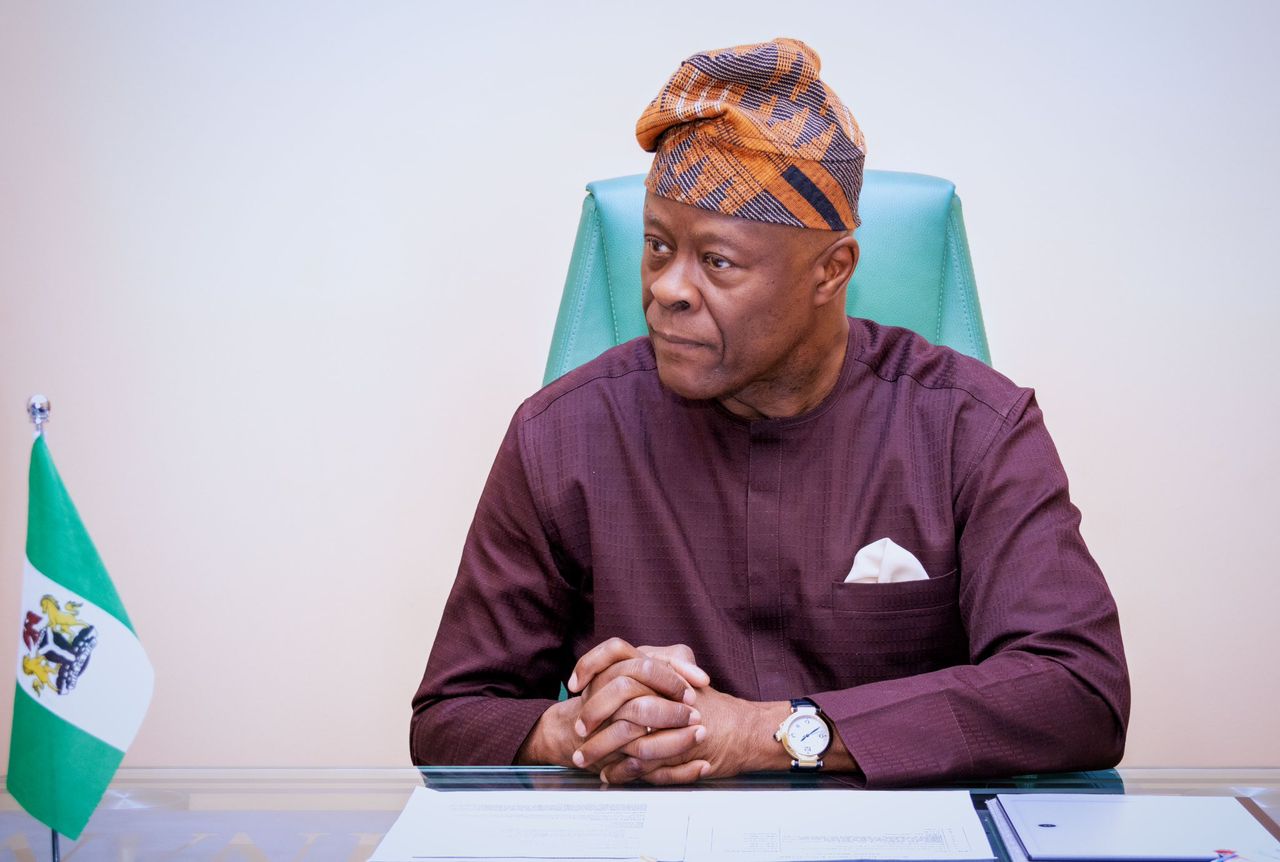
Nigeria’s economy is under fresh pressure as global tensions in the Middle East disrupt oil markets and push up prices, the Minister of Finance, Wale Edun, has said.
Edun stated this at the Islamic Development Bank Group Day in Lagos, noting that the current crisis has triggered a major external shock at a time the country is trying to stabilise its economy.
According to him, rising fuel and food prices, alongside inflation, are placing heavy strain on households and businesses across the country.
The crisis follows renewed conflict involving Donald Trump’s directive to block the Strait of Hormuz, a key global oil route. The development has caused sharp volatility in crude oil prices.
Nigeria’s Bonny Light crude rose from about $70 per barrel to over $110, while petrol prices jumped by more than 50%, reaching above N1,200 per litre. Diesel prices also climbed sharply, increasing by over 70%.
Edun explained that the situation affects Nigeria through three main channels. First is the rise in fuel and energy costs. Second is pressure on foreign investment flows, as global investors shift to safer markets. Third is the increase in shipping and logistics costs, which may raise the price of imported goods.
Read Also: Iran threatens to turn Middle East into ‘Swamp’ if US escalates war
The minister said the government is responding by boosting oil production, now put at about 1.86 million barrels per day, to increase revenue and foreign exchange earnings.
He added that policies such as the naira-for-crude initiative and reforms in the foreign exchange market are aimed at easing pressure on the economy.
Despite the shock, Edun maintained that Nigeria is in a stronger position than during past crises, including the COVID-19 period and the Russia-Ukraine conflict.
He stressed that the government remains focused on stabilising the economy, attracting investment, and supporting growth, even as global uncertainty continues.
For More Details, Visit New Daily Prime at www.newdailyprime.news

