



A deadly overnight attack in Borno State has reignited fears over security in Nigeria’s north-east after suspected Boko Haram and ISWAP fighters launched coordinated assaults on key locations, leaving at least five people dead and several others displaced.
Read more breaking stories from our latest nigeria news
The attacks, which occurred in the early hours of April 4, targeted Nganzai and Damasak communities, raising fresh concerns about the resilience of insurgent groups despite ongoing military and police operations.
According to local sources, armed fighters stormed a community near Maiduguri late at night, firing weapons and setting homes ablaze. Residents fled into nearby bushes to escape the violence.
“We heard gunshots and people shouting. Everyone started running into the bush for safety,” a resident said. “By morning, many houses had been burned and families displaced.”
In a detailed statement, the Borno State Police Command confirmed that the нападение began around 1:00am when heavily armed terrorists attacked the Nganzai Divisional Police Headquarters in an attempt to overrun the town.
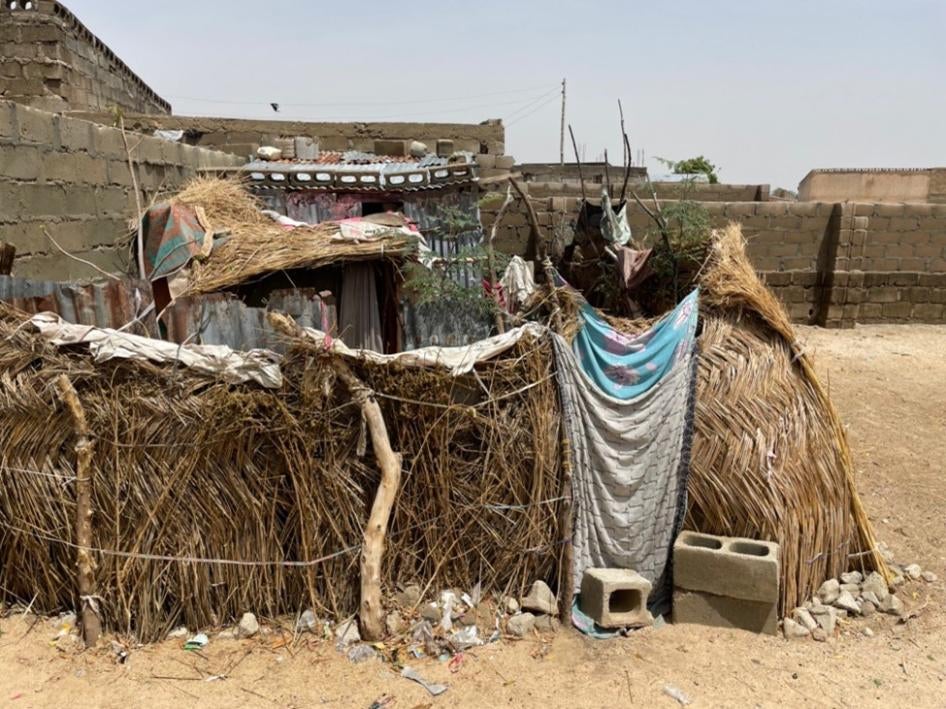
Village attacked in Damasak community
The development reflects broader trends in APC political updates across Nigeria.
Police officers, supported by the Police Mobile Force and special tactical teams, engaged the attackers in a fierce gun battle. The assailants reportedly used Rocket-Propelled Grenades and other sophisticated weapons, causing significant damage to parts of the station and destroying an unserviceable Armoured Personnel Carrier.
Read related news: Boko Haram fuel suppliers arrested in Yobe
EXCLUSIVE: Boko Haram attack Niger villages, slaughter children, burnt down police station
Gumi: ‘I was listed for US airstrike as Boko Haram member;
Four killed, four abducted in Boko haram attack on Borno traders
“Regrettably, four police personnel paid the supreme price in the line of duty,” the police said.
Hours later, at about 2:40am, another attack was launched on the Mallam Fatori Internally Displaced Persons camp in Damasak. The attackers targeted a security post at the entrance of the camp, killing a member of a local hunters’ group identified as Atom Abua, aged 40.
The assault also led to the destruction of about 20 thatched houses and properties, worsening the plight of already vulnerable displaced residents.
A spokesperson for the Nigerian Armed Forces said security forces have intensified operations across the affected areas to prevent further attacks. Reinforcements have been deployed, and patrols strengthened to stabilise the situation.
The Commissioner of Police in Borno State, Naziru Abdulmajid, confirmed that additional manpower and operational assets have been sent to Nganzai and Damasak. He commended the bravery of officers who resisted the нападение and prevented the insurgents from taking control of the town.
He also extended condolences to the families of the deceased personnel and assured residents that efforts are underway to track down those responsible and bring them to justice.
Borno State, widely regarded as the epicentre of Nigeria’s insurgency, has endured years of violence linked to extremist groups. Despite sustained military operations, attacks continue to occur, particularly in remote communities.
Humanitarian organisations warn that the latest violence could worsen conditions for displaced populations already living under severe hardship. Many affected residents are now seeking refuge in nearby towns, putting additional strain on overcrowded camps.
Security analysts say the нападение highlights ongoing challenges faced by security forces, including difficult terrain and evolving insurgent tactics. They stress the need for improved intelligence gathering and stronger collaboration with local communities.
Authorities have urged residents to remain calm and vigilant, while continuing to provide credible information to security agencies.
The latest attack is a stark reminder that, despite ongoing efforts, the insurgency in Nigeria’s north-east remains a serious threat. For communities in Borno, the demand remains urgent: protection, stability, and a chance to rebuild their lives without fear.

