


Iran’s retaliatory missile strikes on United States military bases across the Gulf have laid bare what defence analysts describe as growing vulnerabilities in America’s regional posture.
In the early hours of Saturday, US and Israeli forces launched coordinated strikes on Iranian targets. Within hours, Tehran responded with waves of ballistic missiles aimed at American installations in Qatar, Kuwait and the United Arab Emirates. Iran also struck the headquarters of the US Navy’s Fifth Fleet in Bahrain.
Footage from Naval Support Activity Bahrain showed a large explosion near the coastline, sending debris and thick black smoke into the air. The full extent of the damage remains unclear, but the symbolism was unmistakable: Iran demonstrated its ability to reach high-value US assets in the heart of the Gulf.
Read related news from New Daily Prime:
America furious as UK refuses to ban first-cousin marriage
US confirms deaths of soldiers in Iran operation
Tehran insists it is not at war with its Gulf neighbours. Foreign Minister Abbas Araghchi said Iran’s fight is with Washington and Israel, not the region. Yet he warned that any facility hosting US forces constitutes a legitimate target.
“We’re not attacking our neighbours, we’re attacking US military bases,” he said, accusing Washington of “betraying diplomacy” by striking Iran during ongoing negotiations.
For a third consecutive day, explosions have been reported in parts of the UAE and Qatar. Gulf states have intercepted missiles and drones crossing into their airspace, while urging restraint behind closed doors. According to reports, both Doha and Abu Dhabi have privately lobbied allies to press President Donald Trump towards diplomacy rather than a prolonged military campaign.
Qatar has also warned that sustained disruption in regional shipping routes could trigger a sharp rise in global natural gas prices. The Strait of Hormuz remains a critical artery for energy supplies, and any escalation threatens international markets.
Military analysts say the strikes reveal a strategic dilemma for Washington. While the US maintains dozens of installations and tens of thousands of troops across the Middle East, those fixed assets are increasingly exposed to missile and drone attacks.
“The Gulf is dense with American infrastructure,” one regional security analyst noted. “Iran doesn’t need to defeat the US militarily. It only needs to demonstrate that it can impose a cost.”
As missiles fall across the region, questions are mounting about the clarity of America’s political objective. The late General Colin Powell once argued that successful warfare requires a defined political aim. Critics say the White House has yet to articulate one.
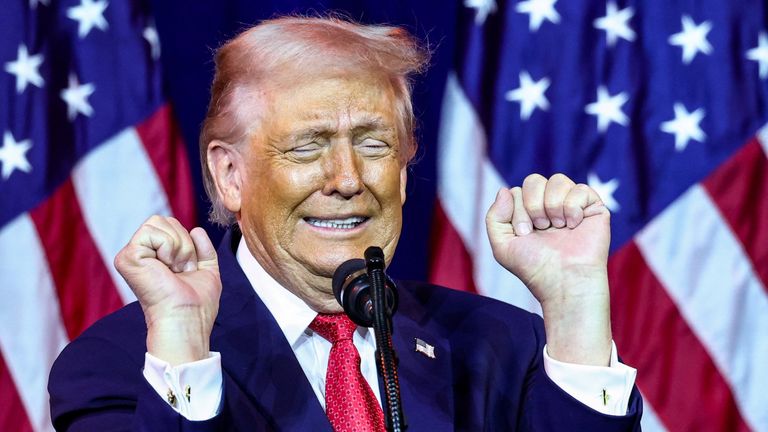
President Trump’s messaging has oscillated between two competing goals: regime change in Tehran and negotiation with a post-Khamenei leadership. In one statement, he signalled openness to talks with new Iranian leaders. Hours later, he urged Iranians to “seize the moment” and take back their country.
That ambiguity carries consequences. If Tehran believes Washington seeks total regime collapse, its incentive to negotiate diminishes sharply. Instead, its leadership may calculate that escalation and deterrence are the only viable responses.
Ali Larijani, a senior figure in Iran’s security establishment, has already dismissed negotiations with the United States.
Without a clear endgame, analysts warn the conflict risks hardening positions on all sides. For America’s Gulf allies, the stakes are immediate: security, energy markets and regional stability hang in the balance.
The coming days may determine whether this confrontation moves towards diplomacy or deepens into a broader regional war.

