


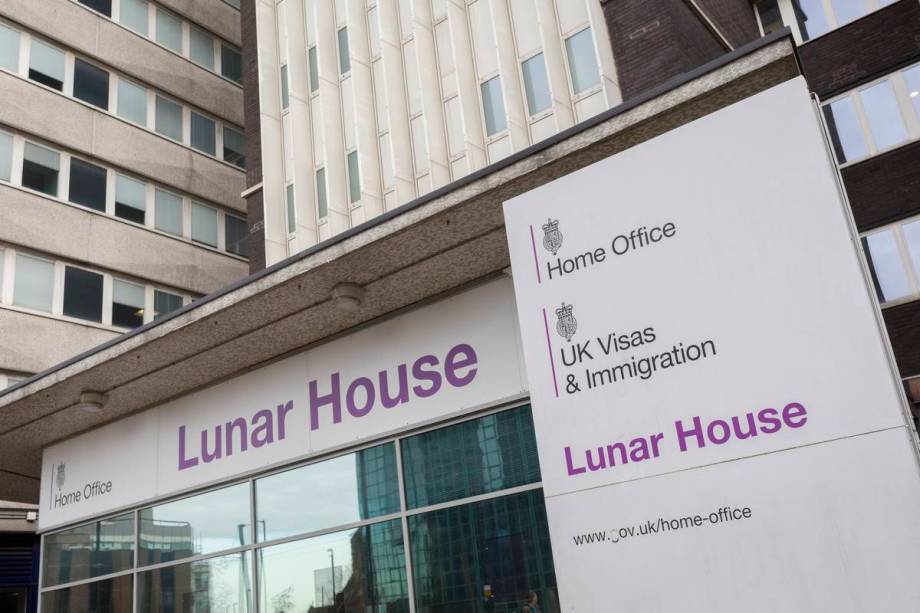
The United Kingdom government is set to deport thousands of migrants before they can appeal, following a new policy unveiled last week targeting failed asylum seekers and foreign criminals.
The plan represents a sweeping shift in immigration policy aimed at reducing a record backlog of asylum cases and cutting the rising cost of housing migrants.
Home Secretary Shabana Mahmood is leading the new approach, which will allow removals immediately after asylum claims are rejected.
Under the policy, affected individuals will only be able to challenge decisions after they have been returned to their home countries, effectively ending in-country appeals for many applicants.
Read related news:
Asylum seeker accused of brutal assault flees during trial
Illegal migrant still fighting asylum case 28 years after arriving in UK
Asylum applications to EU fall as Iran crisis raises refugee fears
Record Backlog Drives Policy Change
The decision comes as the UK faces a record asylum appeals backlog of more than 100,000 cases, with many rejected applicants still living in taxpayer-funded accommodation, including hotels.
Officials say the system has been stretched by a sharp rise in appeals, which have nearly doubled to 104,400 within a year. The growing backlog has increased pressure on government resources and delayed the removal of those with unsuccessful claims.
Ministers argue that allowing appeals only after deportation will help speed up removals and reduce costs.
Authorities have identified 25 countries considered safe for returns, allowing faster deportations without in-country appeals. These include India, Brazil, Nigeria, Kenya, Ghana, Albania, and Ukraine, where failed asylum seekers and criminals can be deported immediately before lodging appeals.

Migrants from these countries whose claims are classified as “unfounded” can be removed quickly under the new rules.
The policy is based on legislation introduced under former prime minister Tony Blair in the early 2000s.
The law allows the government to deport individuals before appeal, provided there is no “real risk of serious irreversible harm” in their home country.
Once claims are certified under Section 94B of the Nationality, Immigration and Asylum Act 2002, migrants lose access to government-funded accommodation and support.
They are then offered voluntary return, with the government covering travel costs. Those who refuse can face enforced deportation.
Border security and asylum minister Alex Norris said the move is necessary to restore control over immigration and reduce abuse of the system.
“A firm and fair approach to immigration does not mean hard-working taxpayers provide for individuals with refused human rights claims,” he said.
He added that increasing removals would help deter illegal migration and restore order at the UK border.
Official data shows deportations without appeal rose by 50 per cent to 8,476 last year, although this represents only 10.6 per cent of all rejected cases, significantly lower than the 22 per cent recorded in the early 2000s.
Critics Raise Human Rights Concerns
Advocacy groups have warned that deporting individuals before appeal hearings could expose genuine refugees to danger.
Imran Hussain of the Refugee Council said government data shows up to two-thirds of asylum appeals are successful, indicating that many initial decisions are overturned.
“Forcing people to leave the UK before they have had the chance to appeal risks sending them back to unsafe conditions,” he said.
He urged the government to improve the quality of initial asylum decisions to reduce the number of appeals and associated costs.
The new deportation strategy marks one of the most significant shifts in UK immigration policy in recent years.
With over 100,000 pending appeals, rising accommodation costs, and increasing political pressure, the government is under growing scrutiny to deliver results.
As implementation begins, the effectiveness of the policy, and its impact on both migration control and human rights will be closely watched.

