


UK government has approved plans for China to build a vast new embassy in London, a decision that has intensified diplomatic tensions with the United States and drawn warnings from security analysts and human rights groups, despite earlier concerns raised at the United Nations.
The Housing Secretary, Steve Reed, confirmed on Tuesday that planning permission had been granted for Beijing to redevelop the former Royal Mint site in east London into what would become China’s largest diplomatic complex in Europe.

The approval comes amid sustained unease in Washington. White House officials had previously said the administration of Donald Trump was “deeply concerned” about the scale and location of the proposed embassy, citing fears over national security and intelligence vulnerabilities. US officials are understood to have raised concerns with British ministers about sensitive fibre-optic cables running near the site, which carry financial and communications data linked to the City of London.
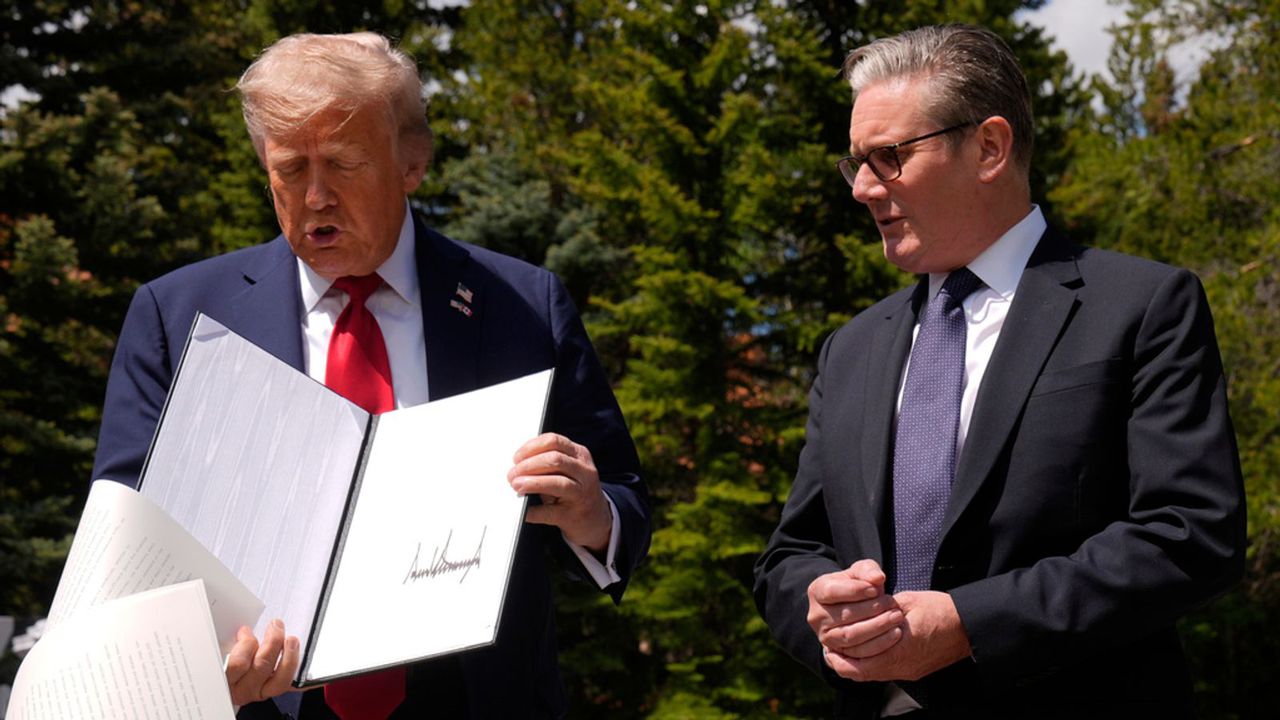
The decision risks further antagonising Trump, who on Tuesday sharply criticised Prime Minister Keir Starmer over an unrelated foreign policy issue — the planned transfer of sovereignty of the Chagos Islands to Mauritius — branding that deal “an act of great stupidity”.
Read related news from New Daily Prime:
Trump brands UK Chagos deal ‘Great Stupidity’ as Kemi urges rethink
UK Labour MPs call on PM to ban social media for under-16s
US expels Russia, China, takes control of Venezuela’s oil sales ‘indefinitely’
Tourists from China to Japan plunge amid Taiwan tensions
Chinese embassy’s underground rooms spark UK security concerns
China’s embassy proposal has long been controversial. Critics argue the complex could function as a major intelligence hub in the heart of the capital. Last week, previously redacted planning documents revealed that the design includes a secure basement room located close to critical communications infrastructure, intensifying concerns among Western security officials.
In August 2024, a senior member of Trump’s National Security Council met officials from the Foreign Office to discuss the embassy plans. During the meeting, US representatives reportedly questioned British officials about the purpose of the secure rooms and requested technical briefings from UK intelligence agencies on the potential risks posed to nearby data cables.
China first submitted its planning application in 2018, but the proposal faced repeated delays. Tower Hamlets Council initially rejected the plans, citing security and community concerns. However, in 2024, Starmer intervened to “call in” the decision for ministerial review following representations from Xi Jinping, according to government sources.
The UK government has argued that rejecting the embassy would have diplomatic consequences, noting that China has withheld approval for long-planned refurbishment of Britain’s own embassy in Beijing.
Opposition figures have strongly condemned the approval. James Cleverly described the decision as “a disgraceful act of cowardice”, accusing the government of prioritising relations with Beijing over national security. He said Starmer had failed in his duty to protect the country.
Similarly, the shadow foreign secretary, Priti Patel, warned that the development would hand President Xi “a colossal spy hub in the heart of our capital”.
Local residents and campaign groups are expected to challenge the decision in court, setting the stage for a prolonged legal and political battle over one of the most contentious foreign policy decisions of the current government.

