


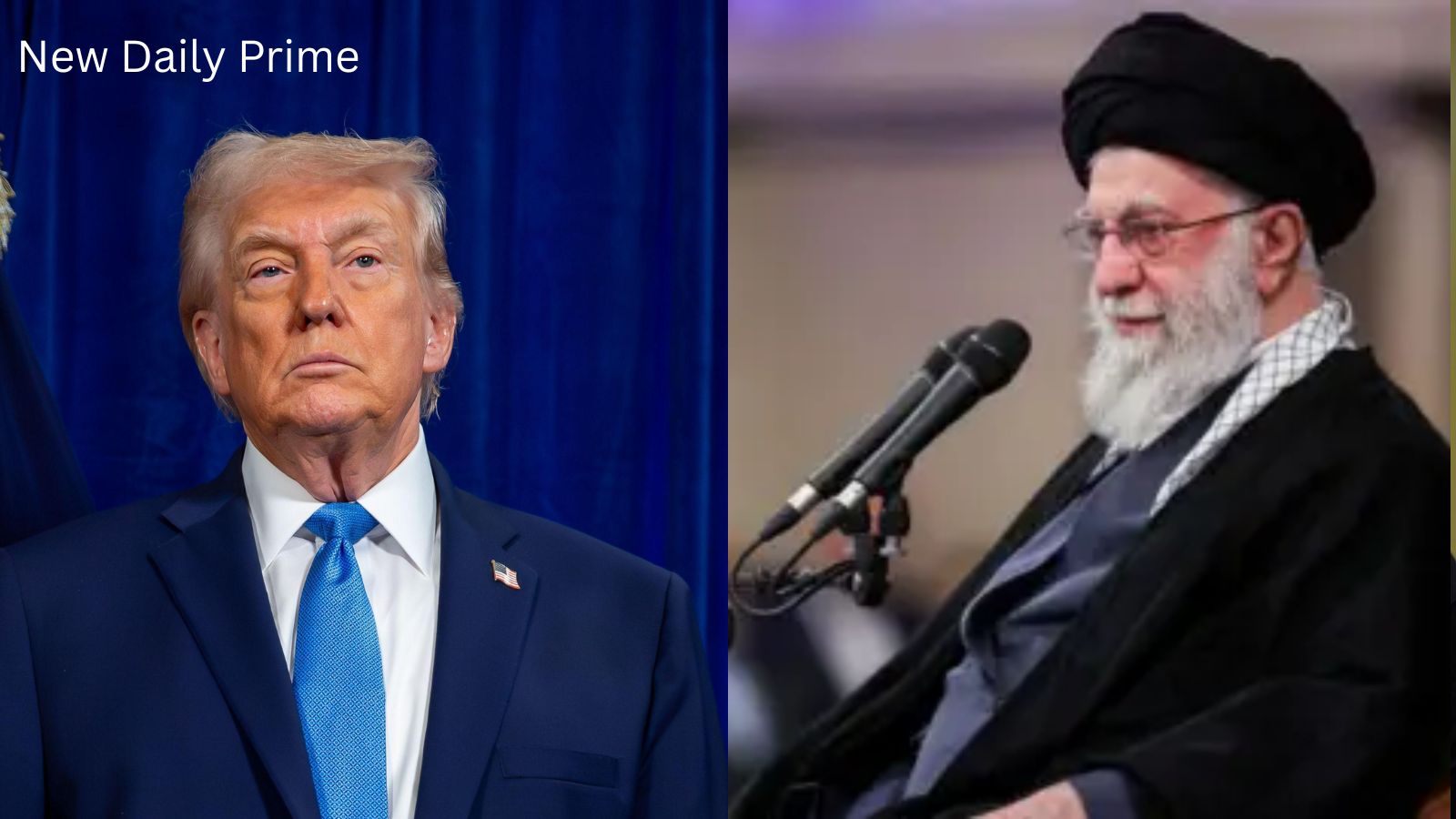
President Donald Trump has signalled that Washington should have a direct role in selecting Iran’s next supreme leader, warning that the United States could be forced back into war within five years if a hostile figure takes power in Tehran.
Speaking in an interview with Axios on Thursday, Mr Trump dismissed the prospect of Mojtaba Khamenei succeeding his father, calling him “a lightweight” and “unacceptable”.
The comments came days after the killing of Iran’s long-time supreme leader Ali Khamenei, who was killed during US-Israeli military strikes that opened a new phase of war in the Middle East.
“I have to be involved in the appointment,” Mr Trump said, drawing a comparison to political changes in Venezuela. He argued that choosing a leader willing to change Iran’s direction could prevent further conflict.
“We want someone that will bring harmony and peace to Iran,” he said. “Otherwise we will have to come back and do this again.”
Read related news:
Starmer urges Trump to negotiate as Iran fires missiles across Gulf
Iran shows military strength as Trump is forced to shut US Embassies
Biden warns Trump will try to ‘steal’ US midterm elections
The US president warned that if a new Iranian leader continued the policies of the late ayatollah, the United States might face another war within five years.
Under Iran’s political system, however, the choice of supreme leader is made by the Assembly of Experts, a powerful body of senior Shiite clerics. The council traditionally operates independently and has historically been strongly opposed to American influence.
Despite that structure, Mr Trump’s remarks suggest Washington may attempt to shape the political outcome in Tehran as the conflict with Iran intensifies.
The war has spread rapidly across the region since US and Israeli forces launched major strikes against Iranian targets earlier this week. Iran has responded with missile attacks on Israel and US bases, as well as strikes against Gulf states that host American forces.
Thousands have reportedly been killed since the fighting began, while oil markets and global travel have also been disrupted by the escalating conflict.
Political uncertainty inside Iran has deepened following the death of Ayatollah Khamenei, who ruled the country for more than three decades after succeeding revolutionary leader Ruhollah Khomeini in 1989.
Among those proposing an alternative future for Iran is Reza Pahlavi, the son of the late Shah who was overthrown during the Iranian Revolution. Pahlavi has suggested acting as a temporary transitional figure while Iran drafts a new democratic constitution.
However, many Iranian officials argue that any leadership change imposed or influenced by foreign powers would lack legitimacy.
Analysts say Mr Trump’s comments mark one of the clearest signals yet that Washington could attempt to shape Iran’s political future following the war. Whether the United States would have any real influence over the decision remains uncertain.
For now, the leadership battle in Tehran — combined with the widening military conflict — is raising fears that the crisis could reshape the balance of power across the Middle East for years to come.

