


There is fresh confirmation that the Southwest remains the safest region to live in Nigeria, following comments made on Wednesday by the defence minister-designate, General Christopher Musa (rtd.), during his ministerial screening at the Senate in Abuja.
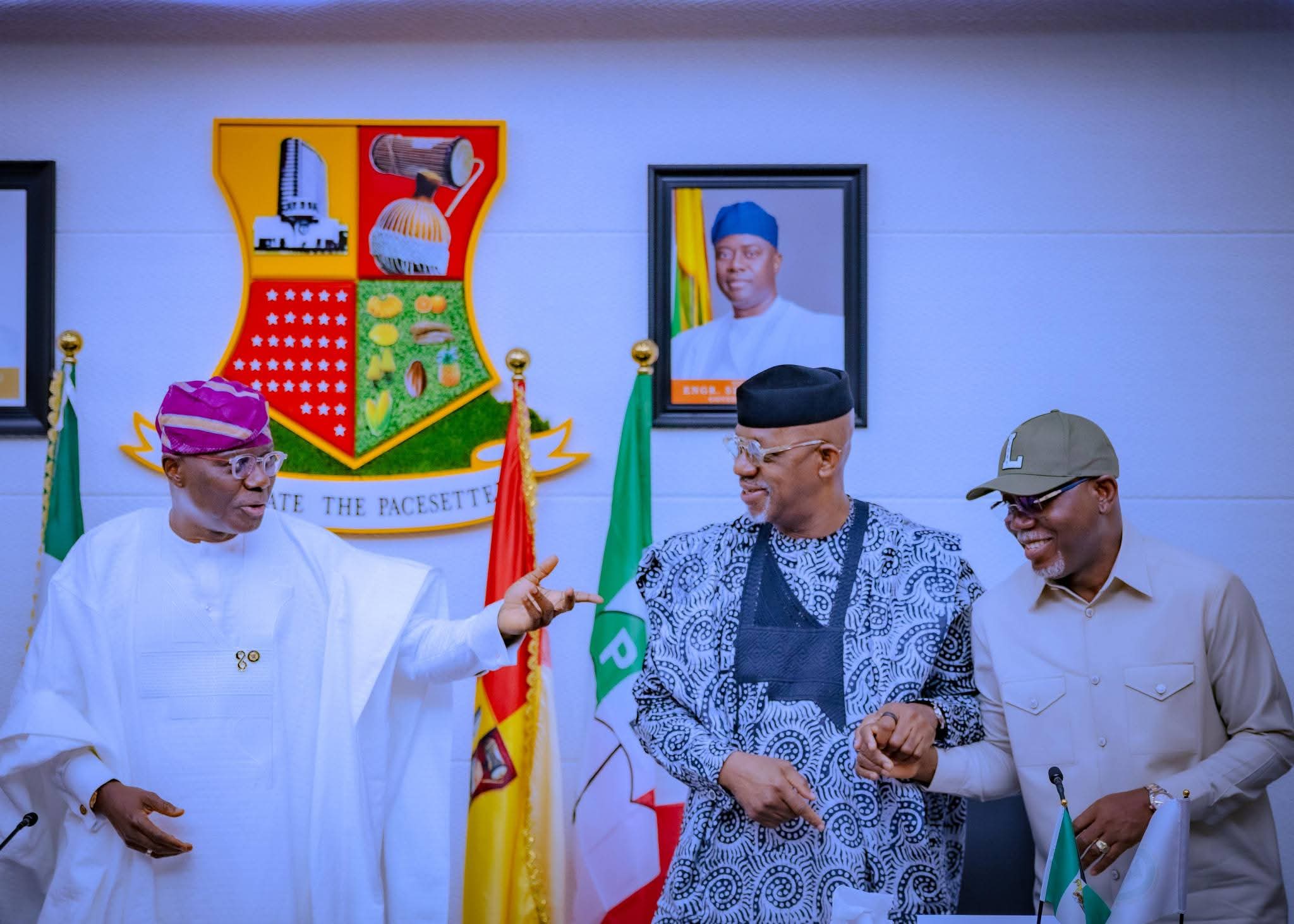
He said the region’s relative peace is not accidental but a direct result of strong cooperation among Southwest governors. He described the zone as a model for the rest of the country, noting that security successes there reflect deliberate regional unity.
“Why the Southwest seems to be doing very well is because all the governors agreed together,” he said. “Regionally, governors must come together, because two or three are better than one.”
Musa explained that armed groups ravaging parts of the North continue to exploit Nigeria’s porous borders and the absence of coordinated security structures among neighbouring states. He warned that bandits strengthen their operations by escaping across international borders, knowing that Nigerian forces cannot pursue them once they cross into another country.
Read Also: Southwest leaders demand power devolution, true federalism to accelerate regional growth
“Bandits do not respect borders at all,” he told senators. “Their strength lies in the ability to run when you attack them, especially around the Sokoto axis into Niger Republic. Once they cross into Niger, you can’t touch them until they come back.”
He noted that many of the recent incursions in Kwara State and attempted movements toward the Southwest stem from these cross-border operations. According to him, unless regional leaders strengthen collaboration, attacks will continue to stretch southward.
“We’re beginning to see incursions into Kwara, coming down toward the Southwest. We must stop them from getting any further,” he said, urging swift action.
Musa called for urgent reinforcement of the Multinational Joint Task Force (MNJTF) headquartered in N’Djamena, saying its capacity must be expanded to secure borders stretching toward Mali and Burkina Faso, where new threats are emerging.
The minister-designate added that the current security architecture is being reorganized to build a more unified and responsive front. He said federal ministries, departments and agencies involved in national security must harmonize their efforts for effective results.
“Action has already been taken,” he said. “What remains is to harmonize everything and ensure all the MDAs know they have a role to play.”
Musa’s remarks come at a time of rising concerns over the spread of armed groups from the North into other regions. His assessment reinforces the Southwest’s status as the country’s safest zone — an achievement he credits to regional cooperation rather than chance.
For many Nigerians, his comments also confirmed what has long been felt on the ground: that insecurity is shaped not just by crime but by political will. His praise of the Southwest underscores the growing belief that local leadership — and not just federal action — remains central to securing communities.
As he awaits confirmation, Musa’s testimony has generated renewed discussion about the need for regional security collaboration across Nigeria. His argument is simple: security improves where leaders unite, where intelligence is shared, and where neighbouring states refuse to allow criminals to escape accountability.
For now, the Southwest remains Nigeria’s safest region. But as Musa made clear, protecting that status will require constant vigilance, stronger coordination, and a united political front.

