


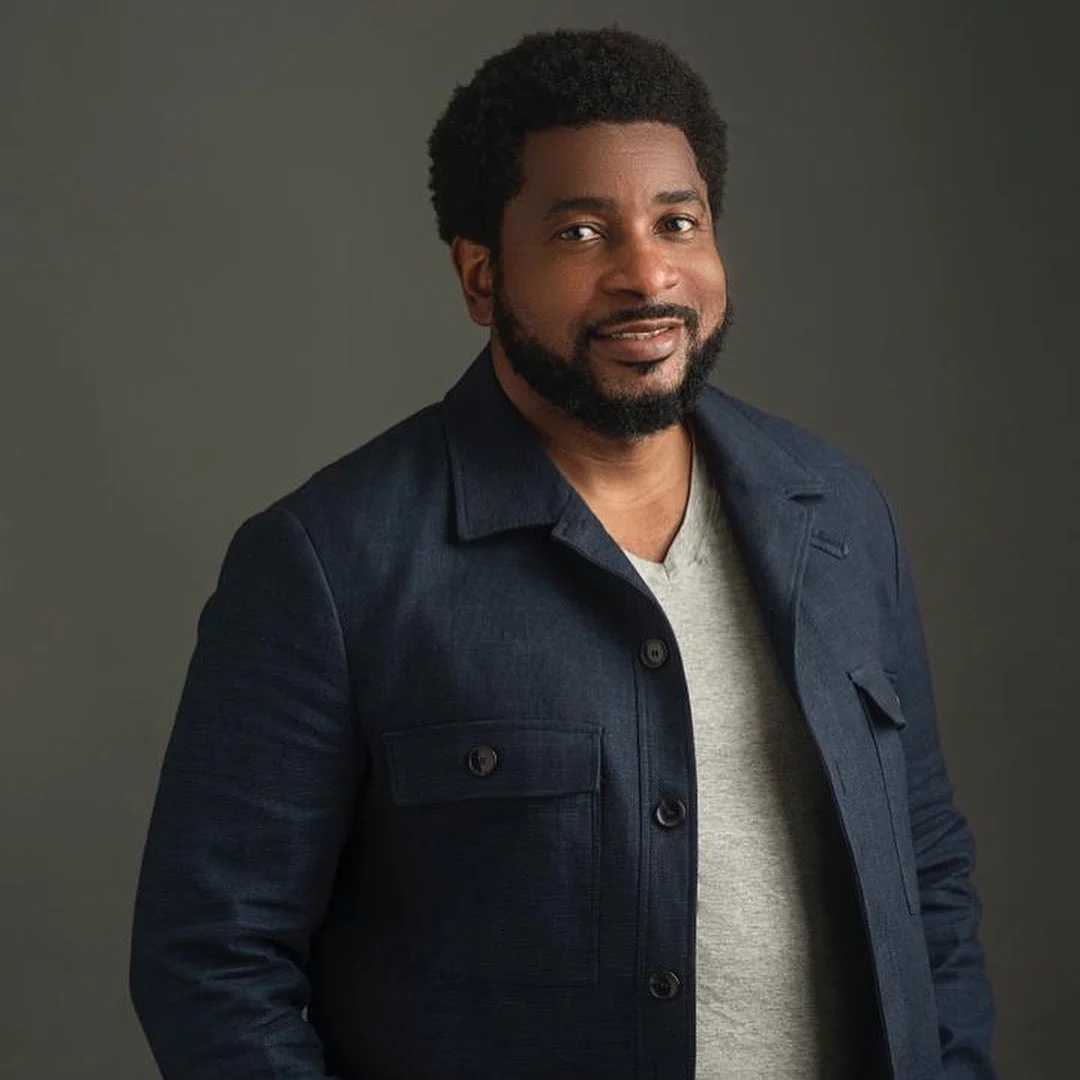
Popular relationship coach and lead pastor of David’s Christian Centre, Kingsley Okonkwo, has ignited a lively debate on social media after urging men to raise their standards in choosing marriage partners.
In a series of posts shared on his official account on X on Sunday, Okonkwo advised men to avoid marrying women he described as “liabilities”. According to him, many men are increasingly losing interest in marriage because they see it as a financial burden rather than a balanced partnership.
“Men, it’s high time we start having standards as well. You guys are too used to women who are liabilities, that’s why less and less men desire marriage; they see it as a burden,” he wrote.
The cleric further encouraged men to prioritise partners who are financially independent and capable of contributing to the relationship. He argued that such expectations could encourage more women to pursue economic stability rather than relying on relationships for financial support.
“Men set standards like you won’t marry broke women too, that you want a partner and not a dependent. Maybe it will make more women work and not see marriage and dating as a poverty alleviation scheme,” he added.
Okonkwo also addressed the religious and social dimensions of the issue, describing the prevailing expectation that men must shoulder all financial responsibilities in marriage as “unbiblical” and potentially harmful to healthy relationships. While acknowledging that many women openly express a preference for wealthy partners, he argued that men should equally insist on partners who are willing and able to contribute.
The pastor also criticised men who deliberately seek financially dependent partners in order to maintain control within relationships. According to him, such behaviour is often driven by fragile egos and can be damaging in the long term.
“Yes, I know some of you men like the needy, hungry and dependent women because it boosts your ego and helps you control women, but it’s doing more harm than good,” he said.
His comments quickly generated mixed reactions among Nigerians online. Some users supported the pastor’s viewpoint, arguing that marriage should be a partnership where both individuals contribute financially or otherwise.
Others, however, criticised the remarks, insisting that the traditional role of men as providers should not be dismissed. Critics argued that labelling women as “liabilities” overlooks the value of domestic responsibilities such as childcare, homemaking and emotional support.
Amid the debate, some commentators suggested a middle ground, emphasising that successful marriages depend on mutual understanding and agreement between partners on how responsibilities—financial or otherwise—are shared.
The discussion continues to attract widespread attention online, highlighting ongoing conversations in Nigeria about gender roles, financial independence and the evolving expectations surrounding marriage.

