


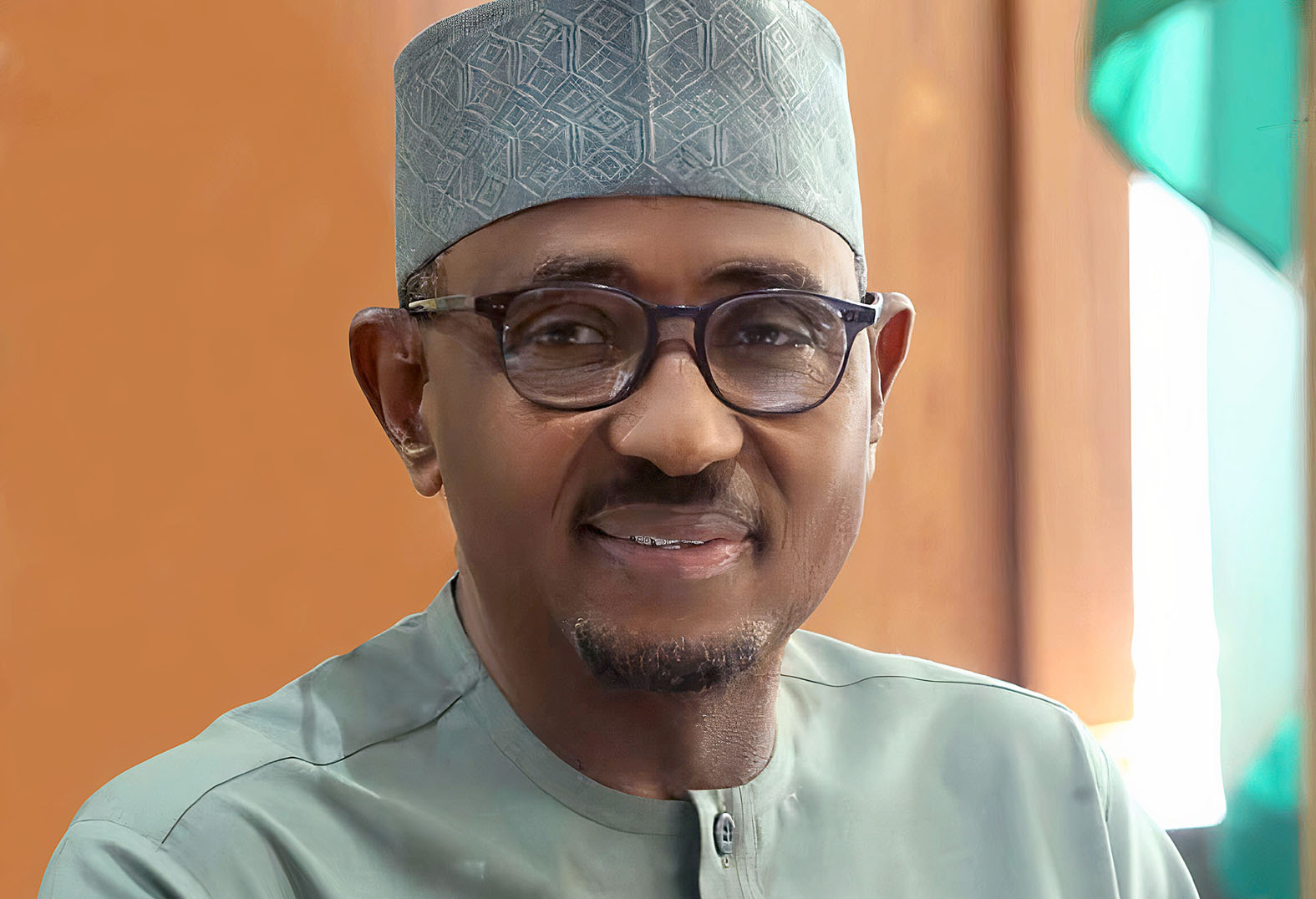
Farouk Ahmed has resigned from his position as chief executive officer of the Nigerian Midstream and Downstream Petroleum Regulatory Authority (NMDPRA).
His resignation followed a meeting with President Bola Tinubu at the Presidential Villa in Abuja on Wednesday.
Ahmed was summoned by the president amid allegations bordering on corruption and economic sabotage linked to the operations of the regulatory authority.
The Chief Executive Officer of the Nigeria Upstream Petroleum Regulatory Commission (NUPRC), Gbenga Komolafe, also resigned.
This was made known in a statement on Wednesday by Tinubu’s special adviser on information and strategy, Bayo Onanuga.
“Tinubu has asked the Senate to approve the nominations of two new chief executives for the Nigerian Midstream and Downstream Petroleum Regulatory Authority (NMDPRA) and the Nigerian Upstream Petroleum Regulatory Commission (NUPRC).
“The requests followed the resignation of Engineer Farouk Ahmed of the NMDPRA and Gbenga Komolafe of the NUPRC.
“Both officials were appointed in 2021 by former President Buhari to lead the two regulatory agencies created by the Petroleum Industry Act (PIA),” the statement partly read.
Nominations of the duo’s successors have been tabled the senate for approval.
“To fill these positions, President Tinubu has written to the Senate, requesting expedited confirmation of Oritsemeyiwa Amanorisewo Eyesan as CEO of NUPRC and Engineer Saidu Aliyu Mohammed as CEO of NMDPRA.”
The president’s aide disclosed that the two nominees are seasoned professionals in the oil and gas industry.
Background
The New Daily Prime reported earlier that Africa’s richest man and President of Dangote Group, Aliko Dangote, had formally petitioned the Independent Corrupt Practices and Other Related Offences Commission (ICPC) over alleged corruption, financial impropriety and abuse of office by Ahmed.
The petition, dated December 16, was submitted through Dangote’s legal counsel, Ogwu James Onoja (SAN), and received by the ICPC Chairman, Dr Musa Adamu Aliyu (SAN).
In the document, Dangote called for the immediate arrest, investigation and prosecution of the NMDPRA boss, accusing him of living far beyond his legitimate earnings as a public servant.
According to the petition, Ahmed allegedly spent more than $7 million upfront on the six-year education of his four children at prestigious schools in Switzerland. Dangote claimed that such expenditure could not reasonably be funded by Ahmed’s cumulative earnings in public service, alleging that the funds were derived from embezzlement and diversion of public resources through his position at the petroleum regulatory agency.
The petition reportedly lists the names of Ahmed’s children and their respective schools, providing details intended to assist the ICPC in verifying the claims. Dangote argued that the alleged conduct amounted to corrupt enrichment, abuse of office and a serious breach of public trust.
He further alleged that the actions of the NMDPRA chief had contributed to public discontent, protests and a growing lack of confidence in the regulation of Nigeria’s downstream petroleum sector. According to Dangote, failure to act decisively on the allegations would deepen perceptions of impunity among senior public officials.
In the petition, Dangote reportedly expressed readiness to appear personally before the ICPC to provide documentary and testimonial evidence in support of his claims. He stated that a prompt and transparent investigation would not only serve the cause of justice but also help protect the integrity and reputation of President Bola Ahmed Tinubu’s administration.
The petition marks an escalation of a long-running and highly publicised dispute between Dangote and the petroleum regulator. On December 14, during a press briefing at the Dangote Refinery in Lagos, the business magnate had publicly accused Ahmed of spending between $5 million and $7 million on his children’s foreign education, an amount he said was inconsistent with the income of a public officer.
Prior to Ahmed’s with Tinubu, human rights activist and lawyer, Deji Adeyanju, called on Nigeria’s anti-corruption agencies to probe Ahmed on spending about $5 million on his children’s secondary school education in Switzerland.
In a Facebook post on Wednesday, Adeyanju made the call amid an ongoing dispute between Africa’s richest man, Aliko Dangote, and the leadership of the NMDPRA, which has sparked public debate over regulation, pricing, and competition in Nigeria’s oil and gas sector.
Read more related News on New Daily Prime: Charly Boy blasts Deji Adeyanju over allegations against Peter Obi
Adeyanju vows to vote for Tinubu over Obi in 2027
In his statement, he added that the allegation, if proven true, raises serious questions about the integrity of the petroleum regulatory system, noting that such expenditure would be difficult to justify on earnings from public service alone.
He, however, cautioned Nigerians against interpreting the dispute as evidence that Dangote is acting out of public interest, arguing that the disagreement is rooted in market control rather than regulatory reform.
“This controversy is not about national interest but about monopoly,” Adeyanju said. “Dangote’s real grievance is not regulation itself, but regulation that prevents him from dominating the oil sector he has only recently entered.”
Adeyanju warned the feeral government against what he described as “economic blackmail,” urging it to resist public pressure that could undermine regulatory institutions. He said the government must stand firmly behind its regulators, provided they operate within the law.
Referencing the Petroleum Industry Act (PIA), Adeyanju stressed that Nigeria’s petroleum framework was designed to promote competition through a willing buyer–willing seller regime, not to entrench private-sector dominance.
He also criticised pricing by the Dangote Refinery, questioning why petroleum products refined locally in Ibeju-Lekki are reportedly more expensive than imported fuel from distant countries such as Argentina or Brazil.
“If Dangote genuinely wants Nigerians to patronise locally refined products and reduce fuel importation, then prices must come down,” he said.
Read more news on www.newdailyprime.news

