


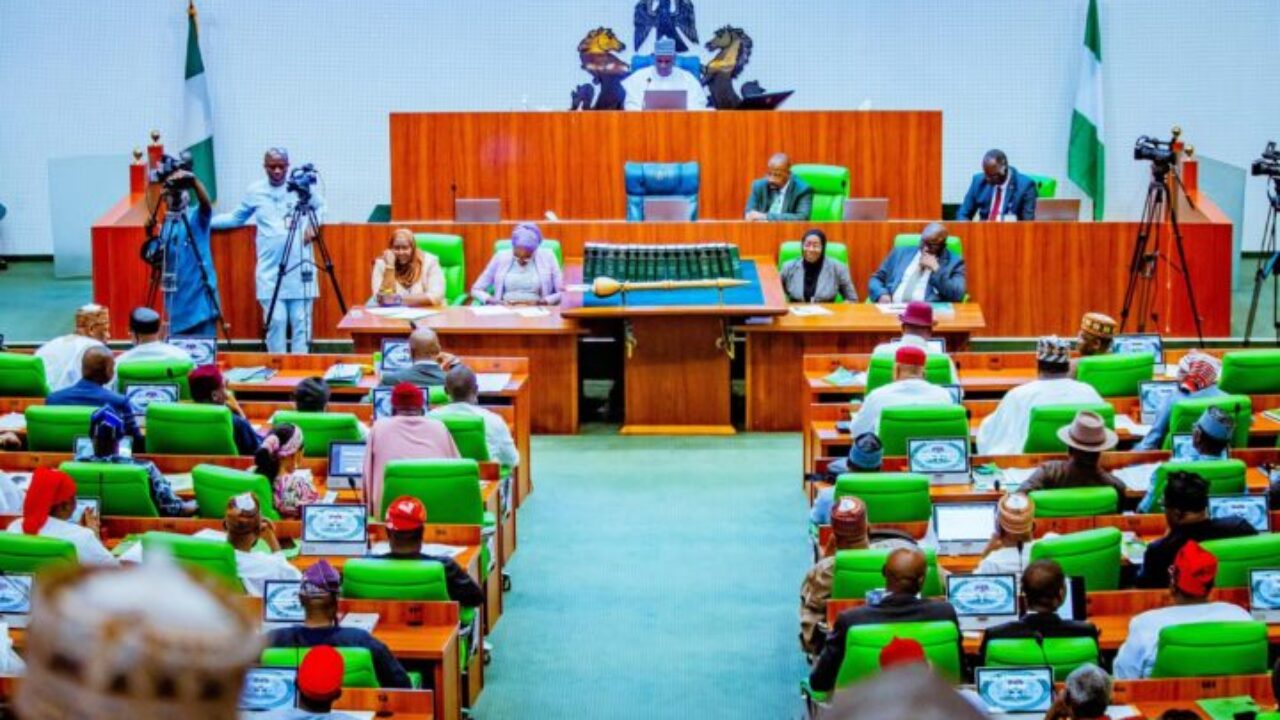
Nigeria’s political landscape has been stirred by a controversial amendment to the recently enacted Electoral Act 2026, as lawmakers in the House of Representatives push to criminalise membership of more than one political party. The proposal, which prescribes a fine of N10 million or up to two years’ imprisonment for offenders, has sparked intense debate among politicians, legal experts and the wider public.
The amendment, introduced shortly after President Bola Tinubu signed the Electoral Act into law, seeks to tighten regulations around party membership ahead of the 2027 general elections. Sponsored by House Leader Julius Ihonvbere, the bill adds new clauses to Section 77, explicitly prohibiting dual party membership and imposing penalties on violators.
According to the proposed legislation, individuals found to be registered with more than one political party would not only face sanctions but also lose recognition in all parties until their status is regularised. Proponents argue that the measure will curb political opportunism and ensure greater ideological clarity within party systems.
Supporters within the House, including Jonathan Gaza, maintain that belonging to multiple parties is deceptive and undermines democratic integrity. Presiding over plenary, Deputy Speaker Benjamin Kalu described dual membership as “fraudulent misrepresentation”, urging politicians to align with parties that reflect their beliefs.
However, the proposal has exposed deep divisions within the legislature. Abubakar Fulata cautioned that the amendment could conflict with Section 40 of the 1999 Constitution, which guarantees freedom of association. He argued that while candidates should contest elections under a single party, outright restriction of multiple memberships could infringe on fundamental rights.
Outside the National Assembly, opposition voices have been even more critical. Adewole Adebayo, a leading figure in the Social Democratic Party, condemned the bill as unconstitutional and accused lawmakers of undermining democratic freedoms. He insisted that while electoral laws regulate party sponsorship during elections, they do not forbid individuals from affiliating with multiple political groups.
Analysts have also raised concerns about the broader implications of the amendment. Public affairs commentator Maarcellus Onah suggested the move may be driven by fears within the ruling All Progressives Congress of potential defections amid economic and security challenges. According to him, declining public confidence in governance could trigger political realignments that the proposed law seeks to pre-empt.
Critics further question why such stringent measures are necessary, given the APC’s current dominance, including control of a majority of state governments and seats in the National Assembly. For many observers, the debate underscores broader concerns about whether Nigeria will maintain a level playing field as it approaches the 2027 elections.
As discussions continue, the amendment has become a focal point in conversations about constitutional rights, political freedom and the future of democratic competition in Africa’s most populous nation. Whether the proposal strengthens electoral integrity or restricts political participation remains a matter of fierce contention.

