


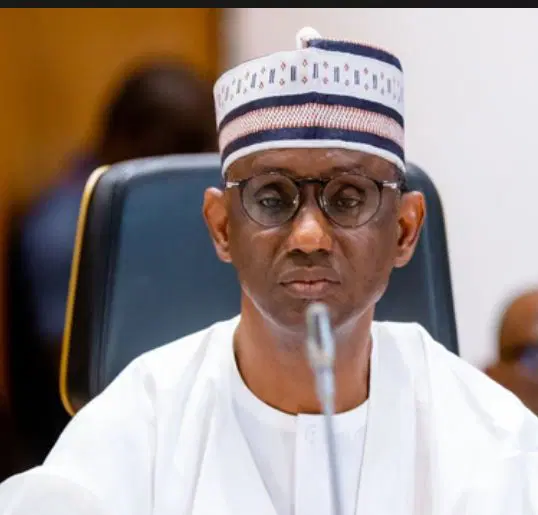
Nigeria’s National Security Adviser (NSA), Malam Nuhu Ribadu, has said growing security cooperation between Nigeria and the United States has moved beyond diplomatic engagement to deliver measurable operational gains in the fight against terrorism and transnational crime.
Ribadu made the remarks on Thursday in Abuja during the inauguration of the US–Nigeria Joint Working Group, describing the partnership as one that has significantly strengthened Nigeria’s security architecture in recent months.
“I would like to place firmly on record Nigeria’s appreciation for the depth, quality and impact of US–Nigeria military and security cooperation,” Ribadu said. “Since the November 2025 engagements, this cooperation has translated into tangible operational gains.”
According to the NSA, the collaboration has resulted in enhanced intelligence sharing, closer coordination between the United States Africa Command (US AFRICOM) and Nigeria’s Defence Headquarters, as well as sustained engagement across Nigeria’s security and intelligence institutions. He said these developments have materially improved Nigeria’s counter-terrorism posture and situational awareness across multiple theatres of operation.
Ribadu noted that the partnership has evolved decisively from consultations to concrete action, supporting improved target identification and greater operational precision by Nigerian security forces. He added that joint planning mechanisms have been strengthened, enabling more effective disruption of terrorist networks and transnational criminal groups operating within and beyond Nigeria’s borders.
“These engagements have supported better operational fidelity,” he said, “and have enabled more effective disruption of terrorist networks and transnational criminal elements.”
He disclosed that the intensified cooperation has led to the neutralisation of numerous terrorists, the destruction of key logistics hubs, and the interception of facilitators and logisticians who support violent extremist activities. While he did not provide specific figures, Ribadu said the cumulative impact of these operations has been significant in degrading the capabilities of hostile groups.
The NSA also commended the United States for its commitment to the timely delivery of outstanding military equipment procured by Nigeria over the past five years. These include drones, helicopters, platforms, spare parts and associated support systems, which he said are critical to sustaining ongoing operations and enhancing the effectiveness of Nigeria’s armed forces.
Ribadu stressed that the cooperation has been conducted with full respect for Nigeria’s sovereignty and within agreed bilateral frameworks. He said both countries have placed strong emphasis on joint operations, accountability and the protection of civilians, particularly in conflict-affected areas.
The inauguration of the Joint Working Group, observers say, signals a renewed institutional framework for deepening collaboration between both countries on security, intelligence and defence matters. Analysts believe the initiative could further enhance Nigeria’s capacity to respond to evolving security threats, including terrorism, banditry and organised crime.
As Nigeria continues to confront complex security challenges, Ribadu reaffirmed the government’s commitment to working with international partners to safeguard lives, restore stability and strengthen national security through coordinated and accountable action.

