


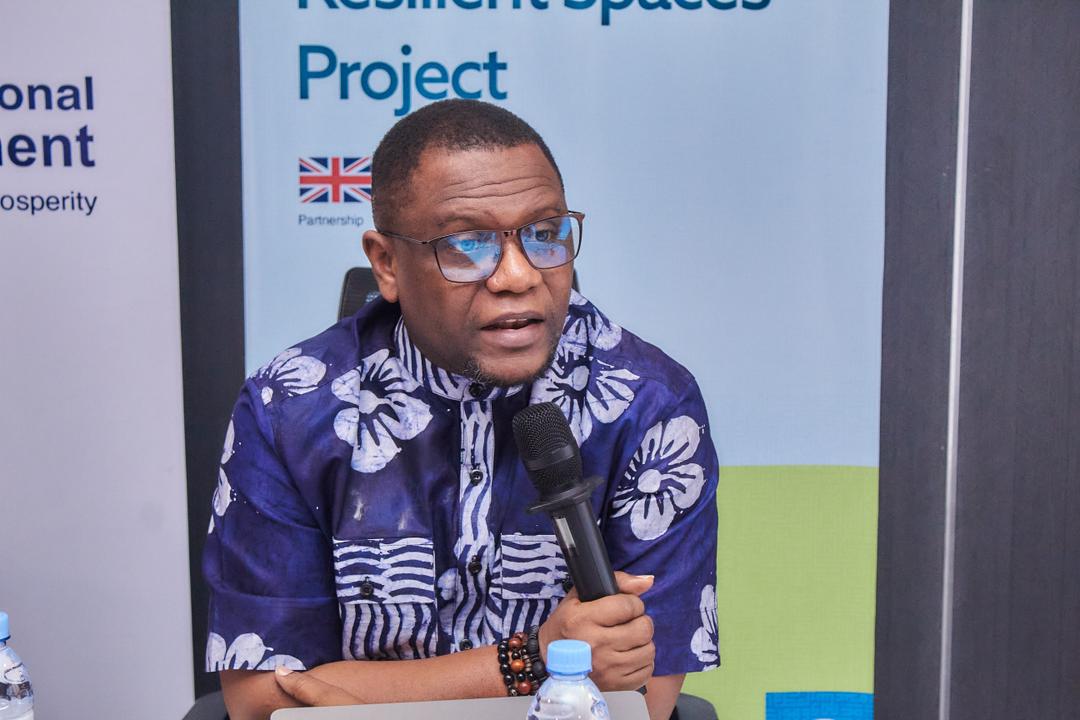
Bukola Idowu, Executive Director of the Kimpact Development Initiative, has criticised the proposed N10 billion spending limit for presidential election campaigns, warning that it could encourage corruption and further commercialise Nigeria’s electoral process.
Speaking on Arise News, Idowu argued that the justification offered by lawmakers for increasing campaign spending caps lacks empirical backing. According to him, the National Assembly’s decision to raise the ceiling from provisions contained in the 2022 Electoral Act on the grounds of inflation is not supported by clear data or statistical analysis.
“That has been the narrative. That is what the lawmakers were saying — that this was a provision from the 2022 Electoral Act and when you look at the inflation rate, then that N5 billion is not justifiable,” he said. “But the question we keep asking them, and we have made this presentation to them several times, is: what facts, statistics or data informed this decision?”
Idowu questioned the rationale behind setting a uniform N3 billion cap for governorship candidates across states with widely differing sizes and administrative structures. He cited the disparity between Kano State, which has 44 local government areas, and Bayelsa State, which has just eight, asking how the same spending threshold could reasonably apply to both.
“How did you arrive at N3 billion for governors?” he queried. “Kano has about 44 local government areas. Bayelsa has eight. Someone campaigning in Bayelsa will spend N3 billion; someone in Lagos will also spend N3 billion. What data are you using?”
He further argued that extending the same logic to a N10 billion ceiling for presidential candidates raises even more questions about proportionality and fairness. “It doesn’t really make any statistical sense. It is not backed by law. The President in four years does not earn up to this amount in salary,” he stated.
According to Idowu, setting such a high spending limit risks entrenching money politics and excluding credible candidates who may lack access to vast financial resources. He maintained that by raising the cap without transparent methodology, lawmakers have effectively reinforced the perception that elections are becoming increasingly transactional.
The civil society advocate called for a data-driven review of campaign finance regulations, urging policymakers to prioritise transparency, equity and accountability in electoral reforms. He warned that without careful calibration, high spending limits could undermine public trust and deepen concerns about undue influence in Nigeria’s democratic process.

