


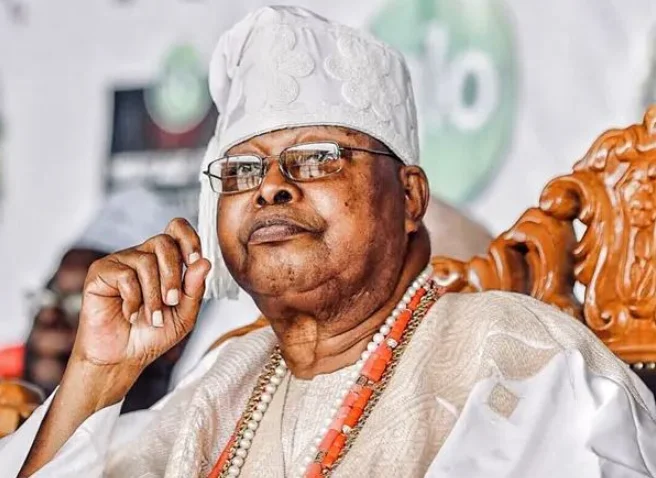
The Baamofin of Ijebuland, AbdulWasiu Oduwole, has called on kingmakers to maintain neutrality and integrity in the selection of the next Awujale of Ijebuland, warning against corruption and attempts by wealthy individuals to influence the process.
The Awujale throne became vacant on 13 July following the death of Oba Sikiru Adetona, who reigned for 65 years.
Speaking in a statement made available on Thursday, Oduwole urged kingmakers to prioritise the best interest of Ijebuland in their decision-making.
“The kingmakers must avoid corruption, as the immediate past Awujale also warned. No moneybag should be allowed to hijack the process. Their responsibility is sacred, and they must act in the best interest of Ijebuland. They must allow the process to run naturally and with integrity,” he said.
Oduwole, a legal practitioner, expressed confidence in the credibility of the kingmakers, citing respected figures such as Chief Sonny Kuku. “These are men of unquestionable character who would not compromise their integrity under any circumstances. They will follow due process, nothing more,” he added.
He also urged the state government to remain neutral and refrain from interfering. “To the state government, I urge neutrality. They should not influence the kingmakers or use political power to interfere. To the contestants, I wish them all well,” Oduwole stated.
The Baamofin commended the Fusengbuwa Ruling House for conducting itself with dignity and respect for due process, noting that the formal presentation of the Staff of Office to the house marks the official commencement of the selection process. Traditionally, it is now the turn of the Fusengbuwa Ruling House to produce the next Awujale.
Oduwole reiterated the provisions of the Chiefs Law of 1957, which governs ascension to the Awujale throne and affirms a rotational structure among the four ruling houses: Gbelegbuwa, Anikinaiya, Fusengbuwa, and Fidipote. He emphasised that legitimacy within the ruling house, not gender, is the key criterion, and that both male and female lines are recognised under the law.
“The law also recognises both male and female lines, and it accounts for children born before or during their father’s reign. If a candidate cannot be found from the male line, the female line may be considered. The determining factor is legitimacy within the ruling house, not solely gender,” he said.
Oduwole concluded by stressing strict adherence to due process, noting that the responsibility for selecting a candidate rests entirely with the family and the kingmakers. The candidate, once selected, will then be presented for government approval.

