


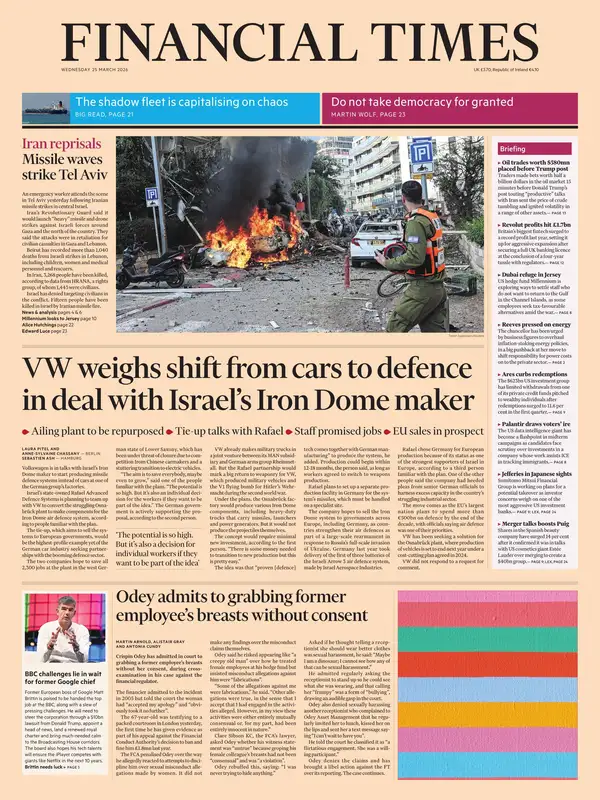
Across the world, today’s front pages newspapers reflect a rapidly shifting global landscape shaped by conflict, economic uncertainty, political tension, and social change. From escalating crises in the Middle East and high-stakes diplomacy between global powers, to domestic political battles and economic pressures affecting everyday lives, newspapers capture a moment of both instability and transformation. At the same time, stories of technological disruption, environmental challenges, and evolving social issues highlight how societies are adapting to new realities. Together, these headlines offer a snapshot of a world navigating uncertainty, where decisions made today are set to influence the direction of nations and the lives of millions.
United State
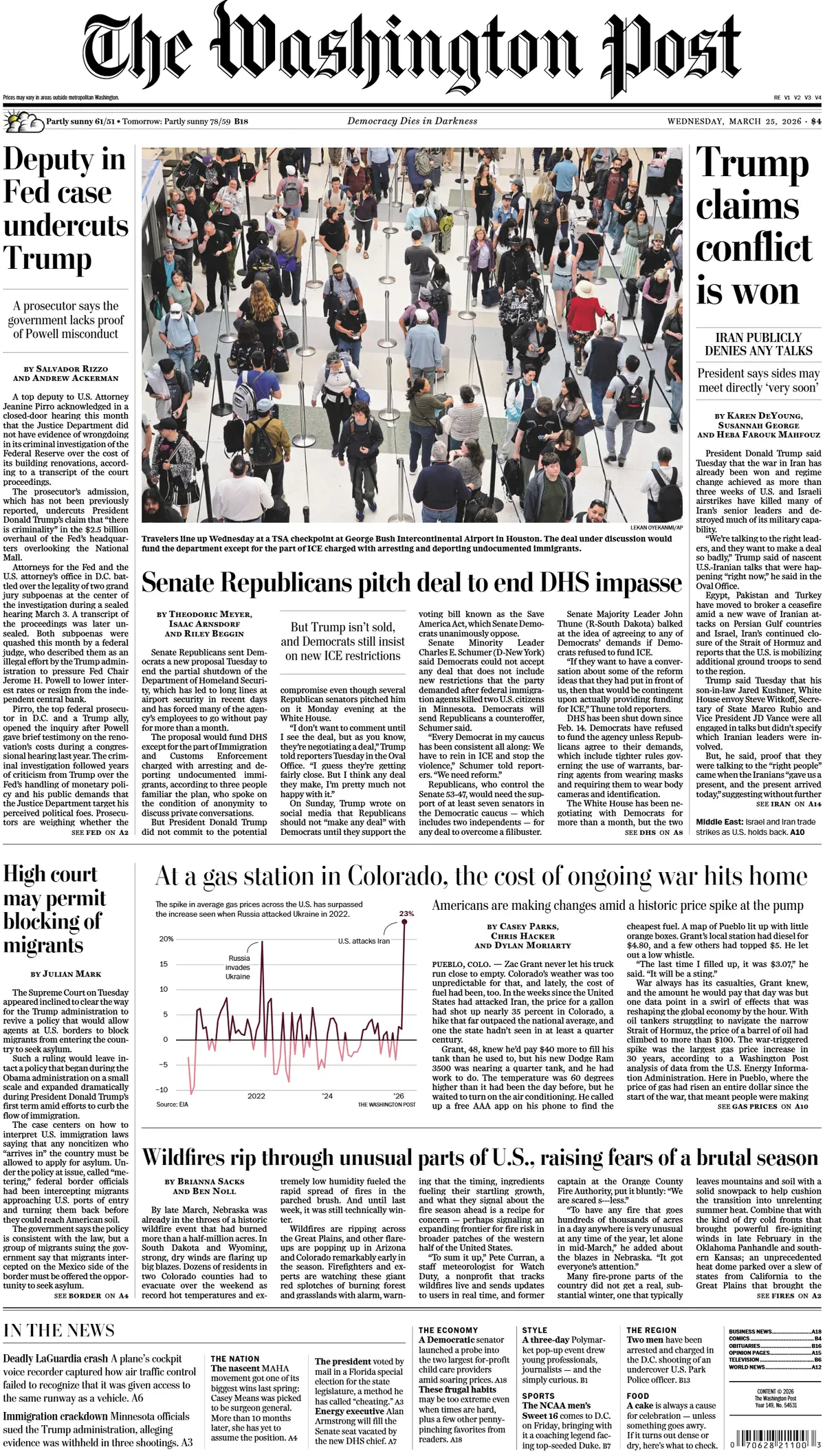
The front page of The Washington Post today presents a mix of political, economic, and environmental developments shaping the United States. Legal pressure surrounding President Donald Trump is intensifying, as a federal prosecutor’s position weakens elements of his case, even as Trump publicly claims success in an international conflict. In Washington, Senate Republicans are pushing a deal to resolve the ongoing Department of Homeland Security impasse, highlighting continued divisions over immigration policy, further underscored by a Supreme Court case that could allow stricter migrant restrictions. Beyond politics, the economic impact of global tensions is being felt domestically, with rising fuel costs affecting everyday Americans. At the same time, environmental concerns loom large as wildfires spread to unusual regions, raising fears of an increasingly severe fire season.
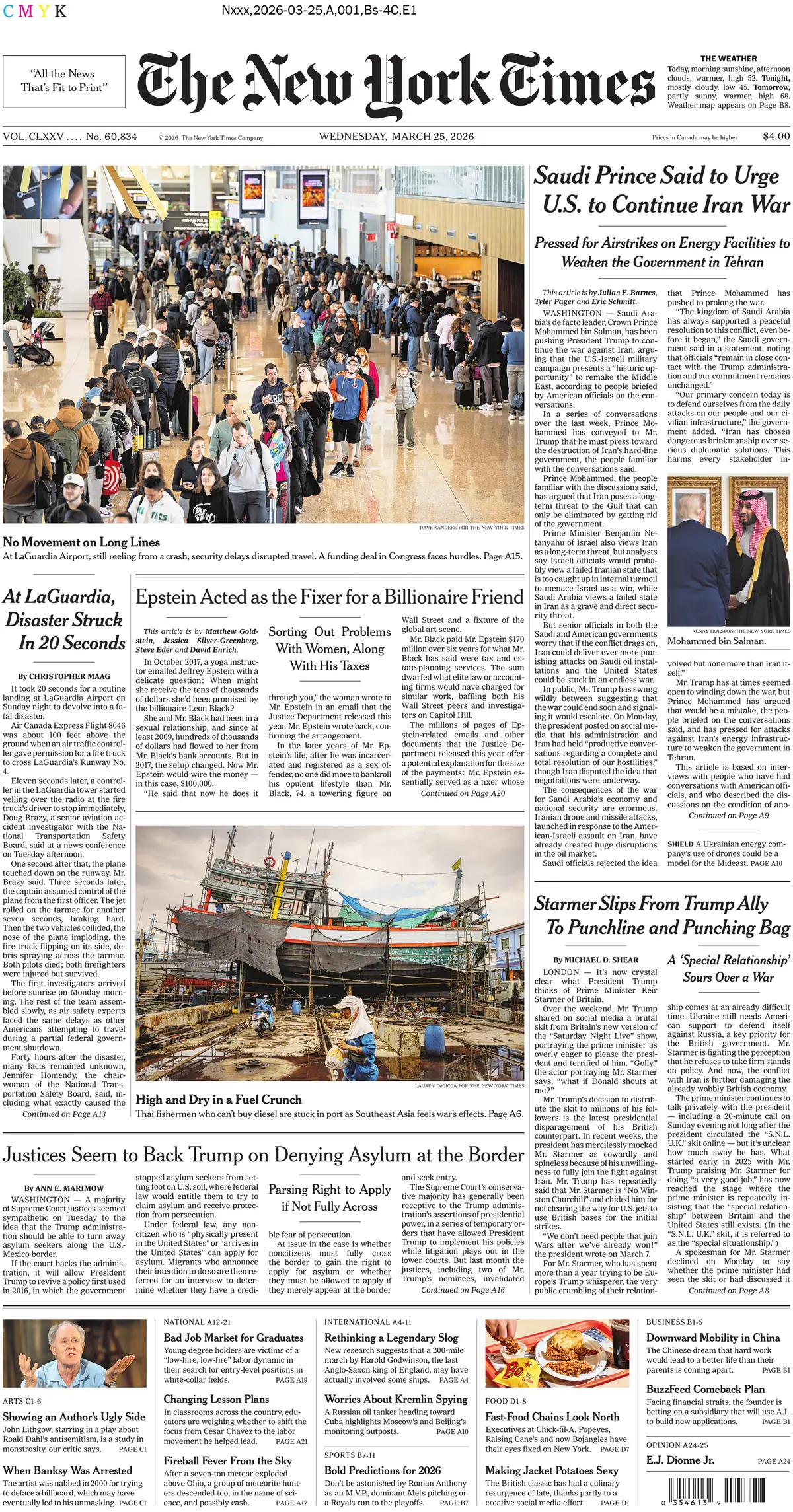
The front page of The New York Times highlights major global, national, and political developments. A key international story reports that a Saudi prince is urging the United States to sustain its military engagement with Iran, underscoring rising geopolitical tensions. Domestically, travel disruptions remain unresolved, with long airport lines persisting and renewed focus on a rapid aviation disaster at LaGuardia. Investigative reporting also revisits the financial dealings of Jeffrey Epstein, detailing his role in managing tax affairs for a wealthy associate. In politics, the shifting relationship between UK Labour leader Keir Starmer and former U.S. President Donald Trump reflects changing transatlantic dynamics. Together, the stories capture a blend of conflict, economic scrutiny, travel concerns, and political realignment shaping current events.
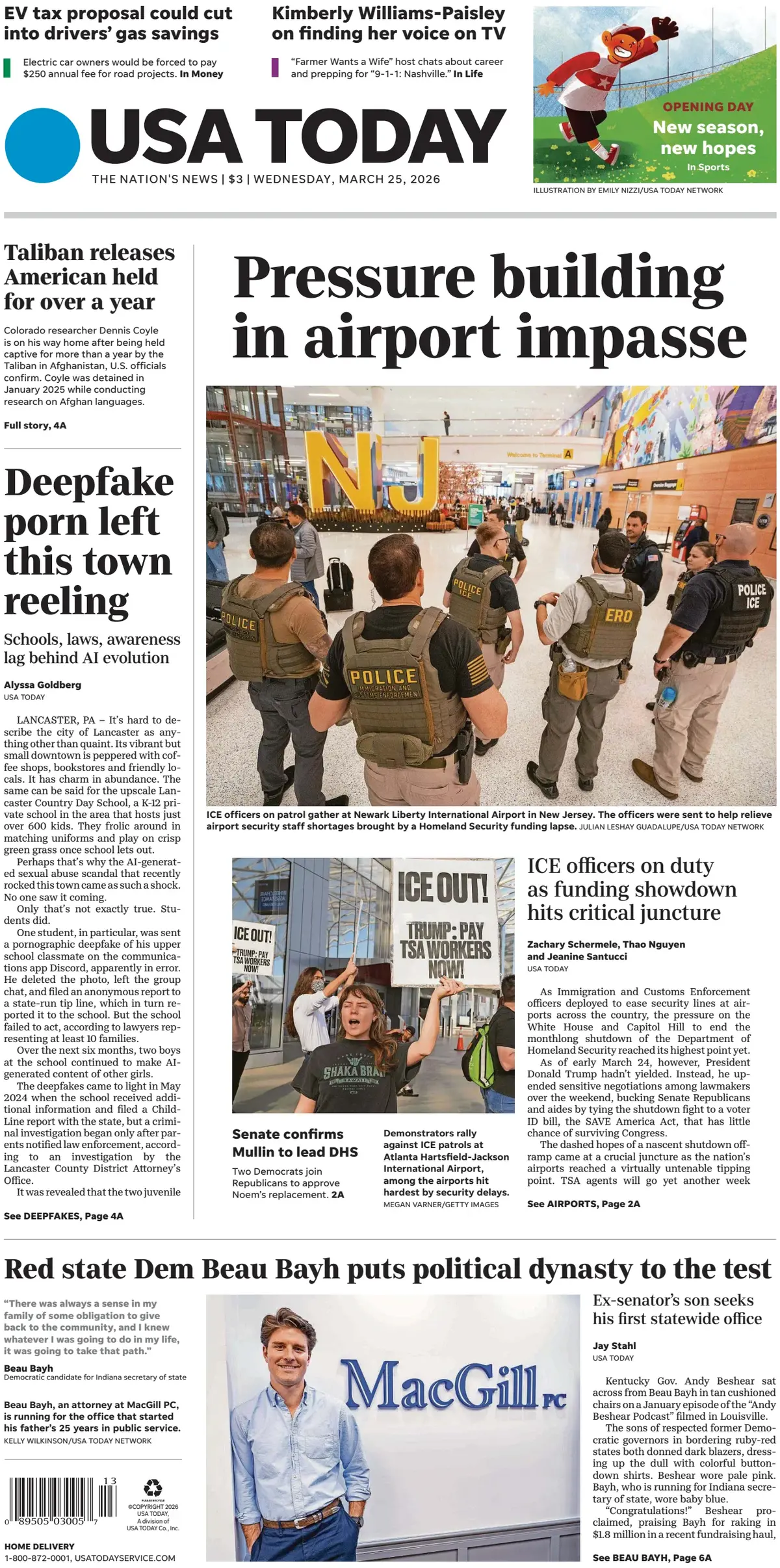
The front page of USA Today highlights a range of pressing national and global issues. The lead story focuses on growing tensions surrounding airport operations, as staffing shortages and policy disputes intensify the ongoing impasse. Internationally, the release of an American held by the Taliban for over a year marks a significant development. Domestically, concerns are rising over the impact of deepfake pornography, with one community deeply affected by the misuse of artificial intelligence. Immigration policy is also in focus, as funding debates place pressure on ICE operations nationwide. Meanwhile, economic concerns emerge with a proposed electric vehicle tax that could affect consumer savings, alongside lighter coverage of entertainment featuring actress Kimberly Williams-Paisley. Together, the headlines reflect a mix of security, technology, policy, and human-interest stories shaping current discourse.
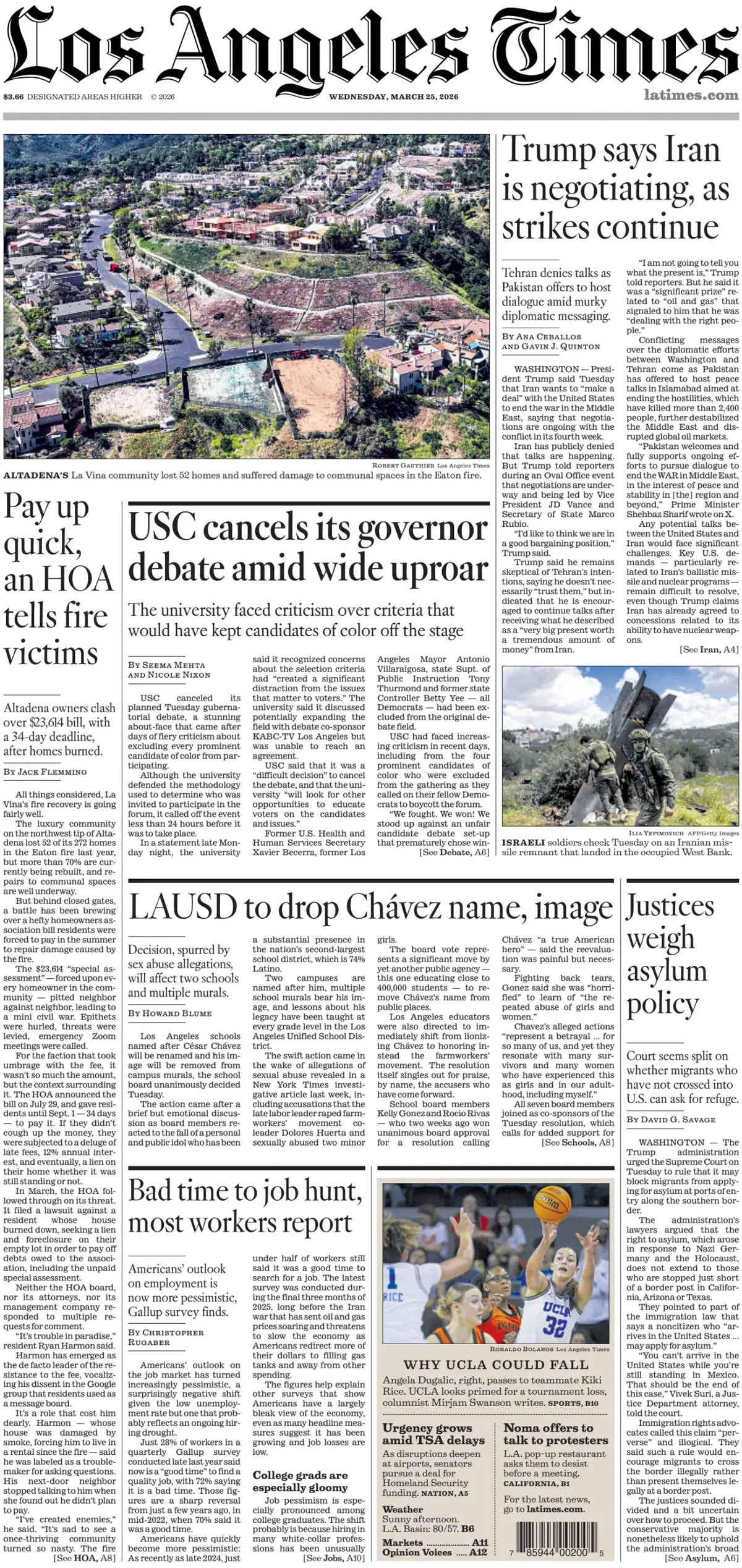
The front page of the Los Angeles Times highlights a mix of geopolitical, legal, and local infrastructure issues. International tensions take centre stage as former President Donald Trump delays a potential attack on Iran, signalling uncertainty in U.S. foreign policy. Domestically, attention turns to California, where justices have expressed skepticism over the validity of late ballots, raising questions about election procedures. Locally, a major infrastructure discussion focuses on whether a proposed rail expansion could serve as the “missing link” in Los Angeles’ transit network, potentially improving connectivity and easing congestion. Additionally, concerns about financial fraud emerge with a call to address a bitcoin scam case. Together, the stories reflect ongoing debates in global security, democratic processes, urban development, and financial regulation.
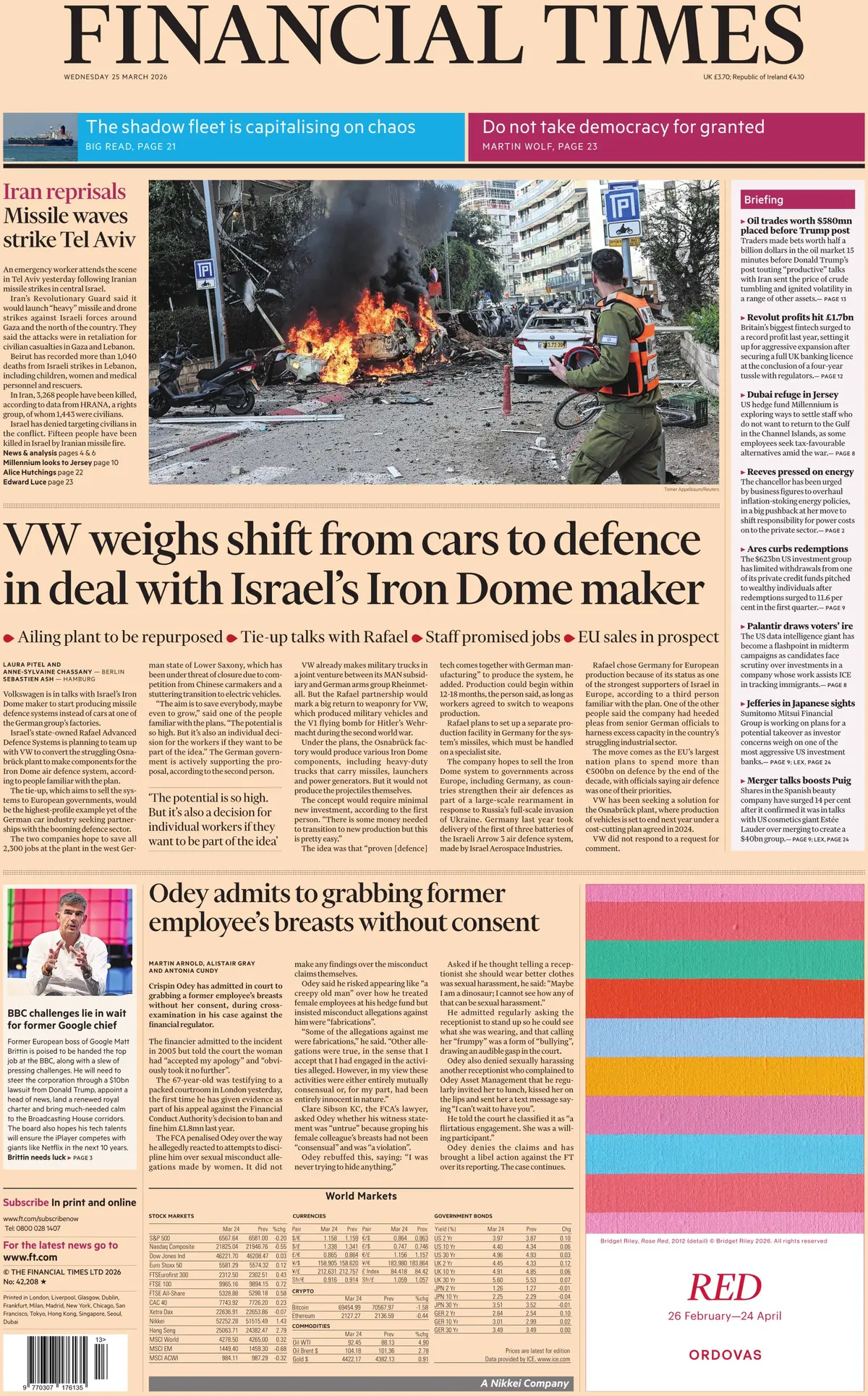
The front page of the Financial Times captures a blend of geopolitical tension, corporate strategy, and financial scrutiny shaping global affairs. Escalating conflict in the Middle East dominates headlines, with Iranian missile strikes hitting Tel Aviv, signalling intensifying reprisals. In the business world, Volkswagen is reportedly considering a strategic shift from traditional car manufacturing to defence partnerships, including a potential deal linked to Israel’s Iron Dome system. Meanwhile, controversy surrounds hedge fund manager Crispin Odey, who has admitted to inappropriate conduct, raising fresh concerns about accountability in the financial sector. Additional reports highlight challenges facing major institutions and warn of broader global instability, including risks to democracy and the growing influence of shadow fleets exploiting geopolitical.
The front page of City AM highlights growing economic concerns in the United Kingdom, with a major warning that the country could face a recession driven by the global energy shock linked to the Iran conflict. Rising energy costs are seen as a key threat to economic growth, reflecting the broader impact of geopolitical tensions on domestic stability. Despite these concerns, there are signs of strength in the financial sector, with digital bank Revolut reporting significant profits. Meanwhile, the business world is also facing controversy, as hedge fund manager Crispin Odey’s legal case draws attention to workplace conduct issues. Overall, the coverage paints a picture of an economy under pressure, balancing financial resilience with mounting risks.
Nigeria
The front page of The Punch is dominated by political developments ahead of the 2027 elections, with governors of the Peoples Democratic Party (PDP) rejecting a consensus leadership arrangement proposed by the Nyesom Wike bloc, highlighting deepening internal divisions. Concerns over electoral fairness also emerge as political parties warn that Independent National Electoral Commission (INEC) rules could influence the outcome of future polls. Beyond politics, economic tensions surface with challenges facing the Dangote-NNPC crude supply deal, while social issues remain pressing, including Nigeria’s growing out-of-school children crisis requiring significant funding. Anti-corruption efforts also feature prominently, with reports involving EFCC actions and allegations against former Kaduna State governor Nasir El-Rufai. Additional stories touch on tragic incidents and party realignments, painting a picture of a nation grappling with political uncertainty, economic challenges, and governance issues.
India
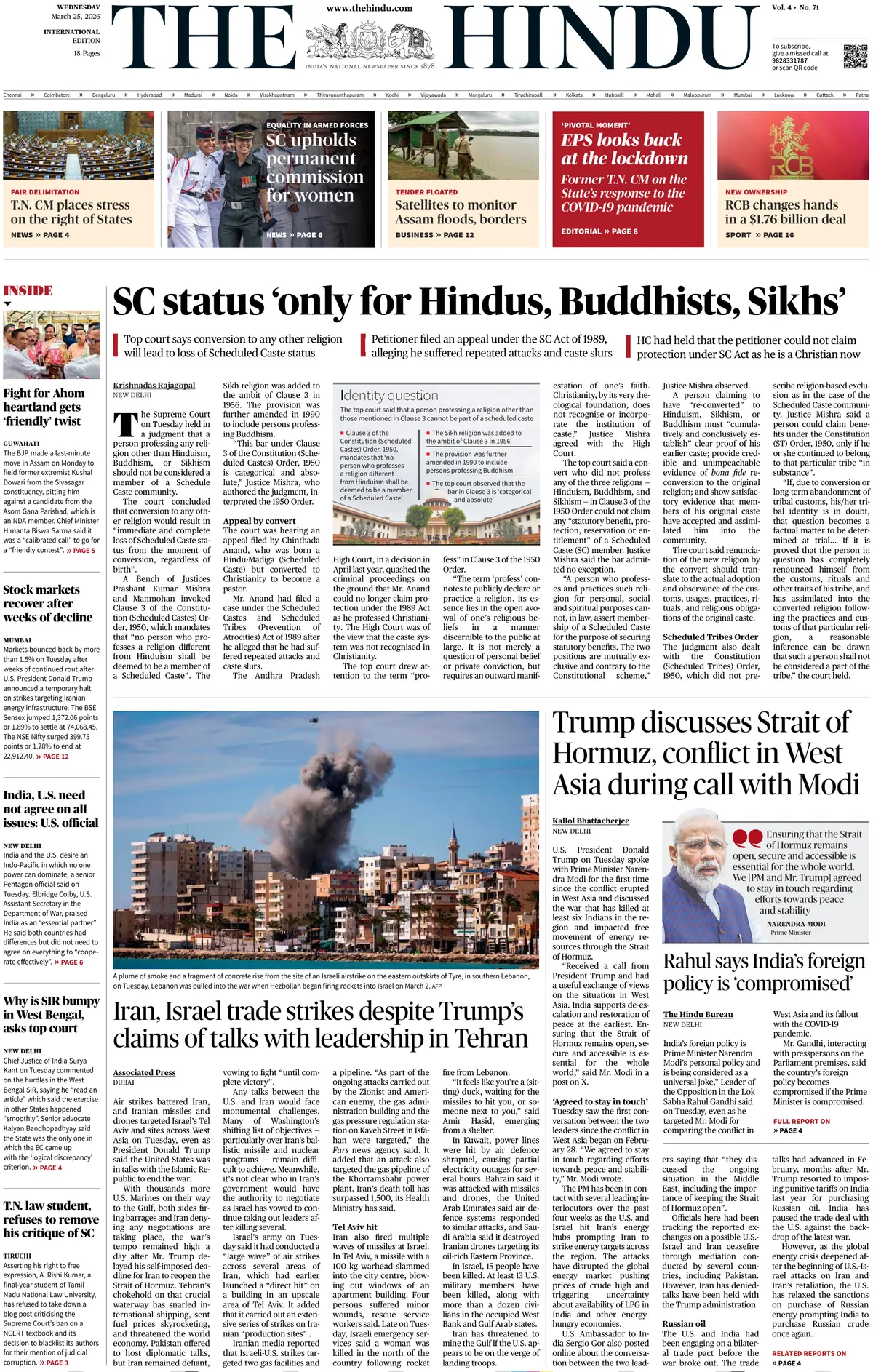
Buddhists, and Sikhs, sparking debate on religious conversion and constitutional rights. International tensions remain high as Iran and Israel continue exchanging strikes despite claims of diplomatic engagement, while former U.S. President Donald Trump discusses regional security issues with Indian Prime Minister Narendra Modi. Domestically, political discourse intensifies with Rahul Gandhi criticising India’s foreign policy, and significant legal progress is marked by the Supreme Court upholding permanent commission for women in the armed forces. The headlines collectively highlight ongoing challenges in governance, security, and constitutional interpretation.
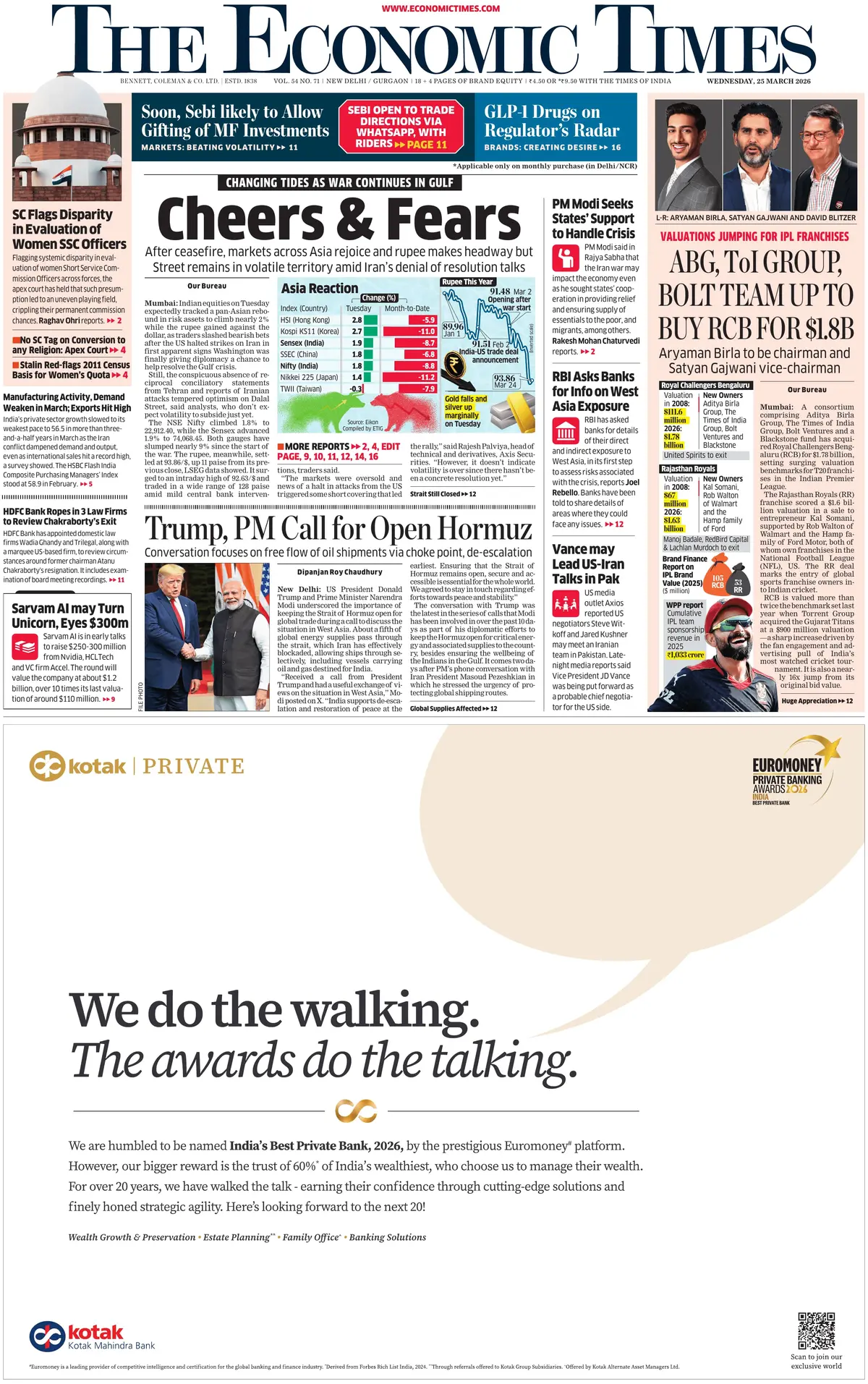
The front page of The Economic Times reflects a mix of global tensions, economic uncertainty, and domestic policy concerns. Markets are navigating both optimism and anxiety, captured in the headline “Cheers & Fears,” as investors react to developments in the Middle East conflict. Diplomatic efforts appear to be underway, with former U.S. President Donald Trump and India’s Prime Minister Narendra Modi discussing the need to keep the Strait of Hormuz open, a critical global trade route. Meanwhile, the Indian government is seeking support from states to manage the crisis, while financial regulators are monitoring banks’ exposure to geopolitical risks. On the business front, major investment moves, including a potential high-value acquisition in the sports sector, highlight ongoing economic activity. Legal and policy issues also feature prominently, with concerns raised over gender disparities in military evaluations. Overall, the headlines depict a complex landscape shaped by geopolitical tensions, economic risks, and strategic policymaking.
China
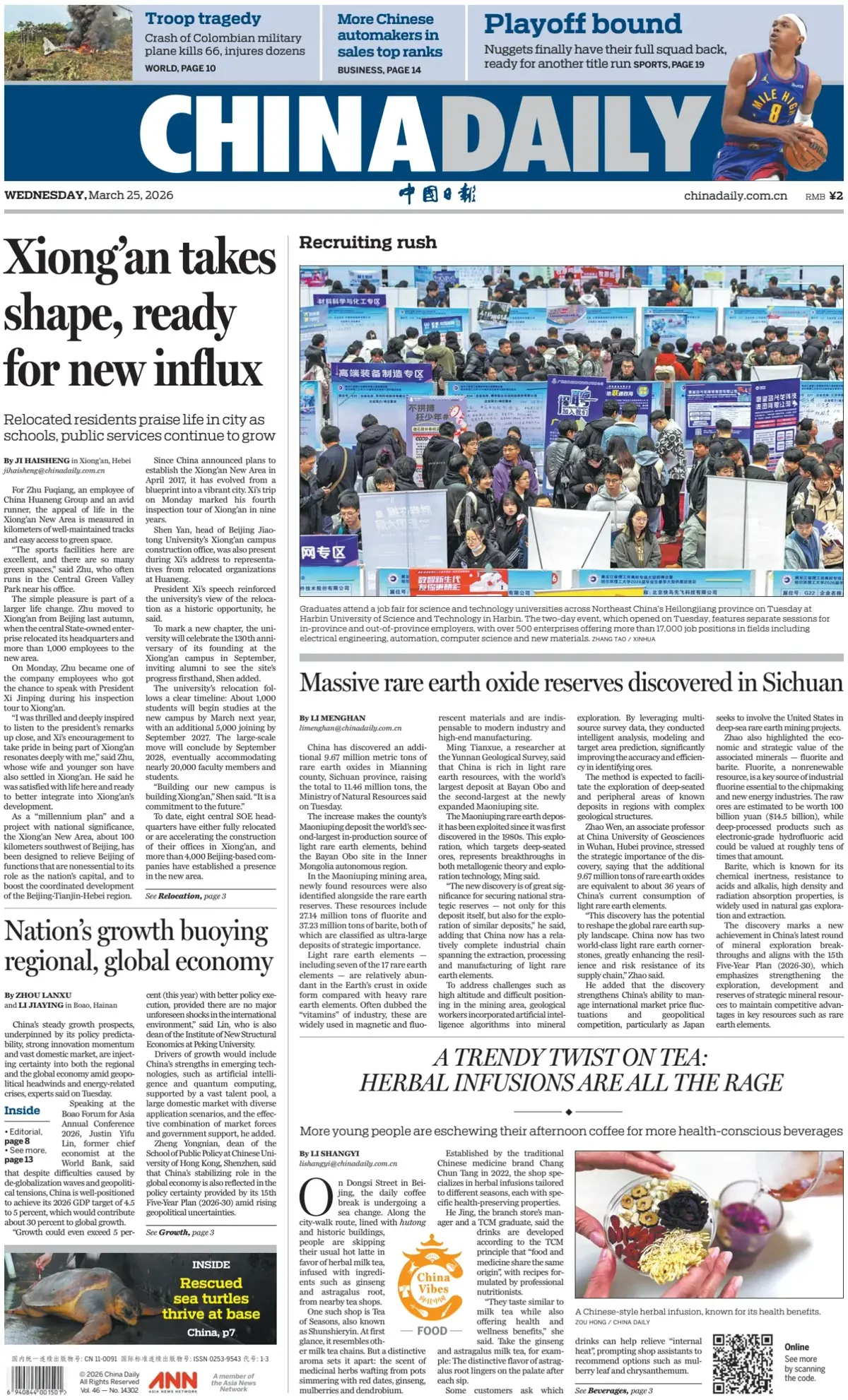
This page from the South China Morning Post features a full-page advertisement focused on personalised financial services. The message emphasises individuality and tailored financial strategies, highlighting the importance of aligning banking solutions with personal goals and lifestyles. Using the imagery of an artist at work, the advert draws a parallel between creativity and financial planning, suggesting that just as no two artworks are the same, financial strategies should be uniquely crafted. The overall theme centres on bespoke banking, confidence in decision-making, and long-term financial direction.
Japan
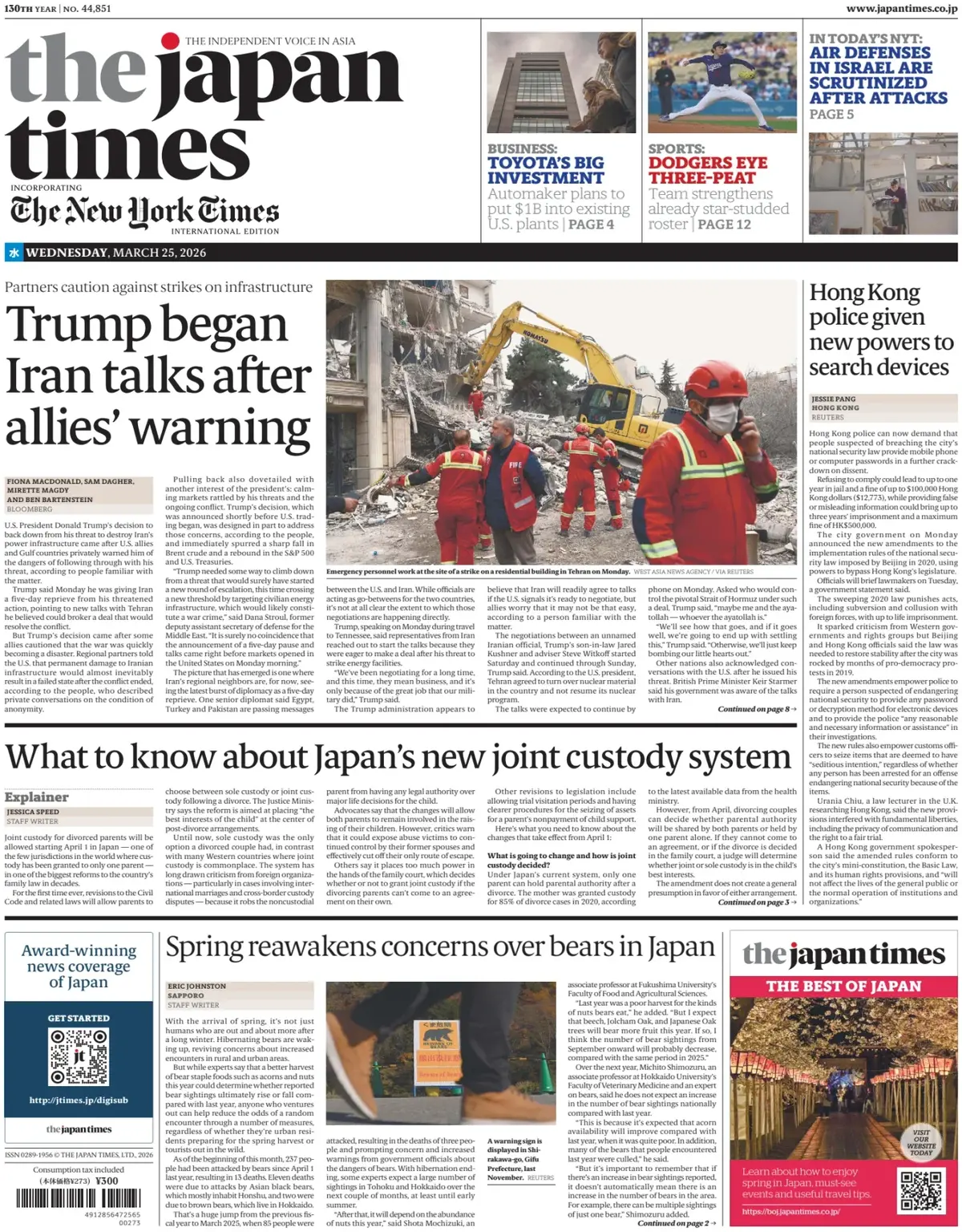
The front page of The Japan Times highlights a mix of international diplomacy, domestic policy changes, and regional developments. A major story reveals that former U.S. President Donald Trump initiated talks with Iran following pressure from allies, reflecting ongoing geopolitical tensions. In Japan, attention is focused on legal reforms, particularly the introduction of a new joint custody system, which could significantly affect family law. Regional security concerns also emerge, with Hong Kong granting police expanded powers to search devices, raising civil liberty questions. Environmental and social issues are also covered, including rising encounters with bears as spring begins in Japan. Business and sports news round out the page, with Toyota’s major investment plans and the Los Angeles Dodgers’ pursuit of another championship.

