


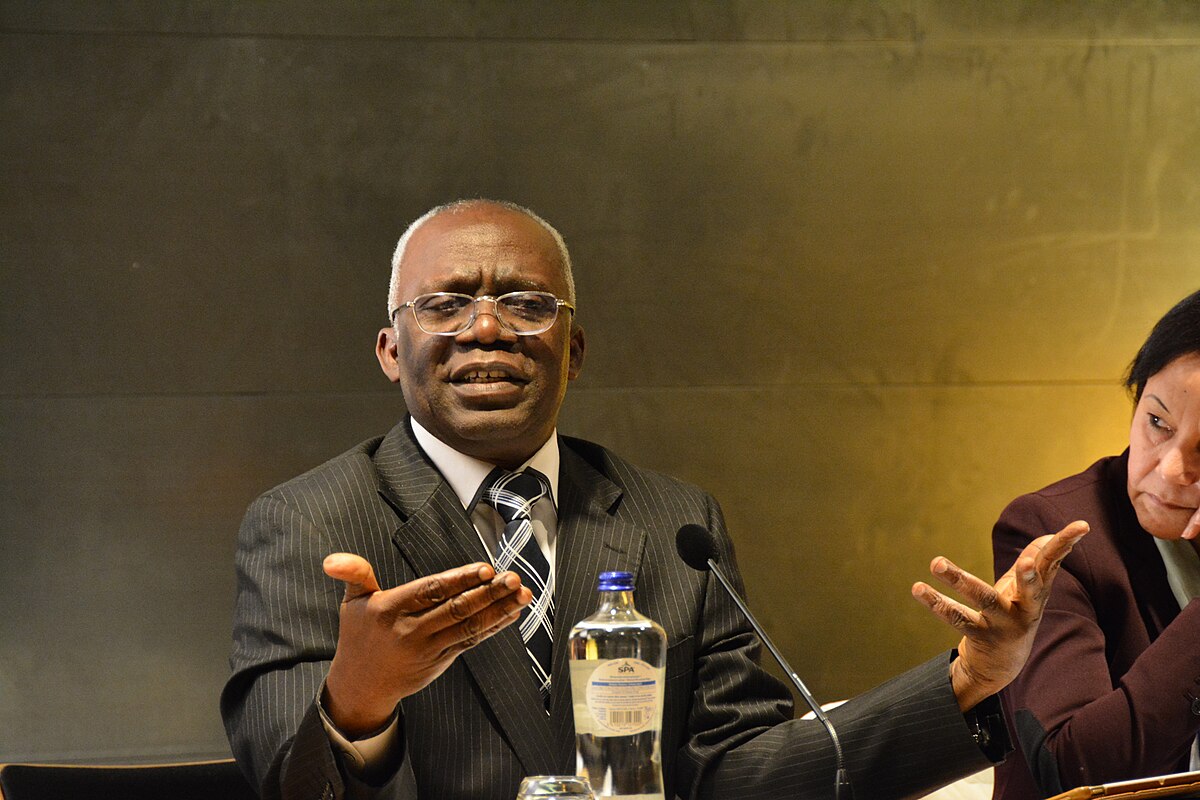
Human rights lawyer and Senior Advocate of Nigeria, Femi Falana, has urged Nigerian authorities to place age limits on access to social media, recommending that children under 16 be restricted from using such platforms to protect their welfare.
Falana made the call during the weekend in Lagos while speaking as a special guest at the maiden edition of the Dare2Debate competition, an initiative designed to build leadership, critical thinking and public speaking skills among secondary school students through structured debates.
He said the conversation around children’s access to social media is gaining momentum globally, noting that several countries are already taking concrete steps to regulate digital exposure for minors.
“Well, like I did say, there is an ongoing debate around the world with respect to the use of telephones or access to the social media by young people. Some countries are restricting it. Australia has just insisted that you cannot access social media if you are under 16,” Falana said.
He added that Nigeria would likely follow similar policies once major Western countries adopt them, arguing that regulation is unavoidable in the interest of child development and safety.
“And, once it is adopted by the United States or UK, in particular, Nigeria, being a neo-colony, will also be bound to follow suit. But one way or the other, it certainly has to be regulated in the interest of our children,” he said, describing Nigeria as “a neo-colonial country” still strongly influenced by its former colonial power.
Falana also addressed the widely held belief that Nigerians are naturally inclined toward criminality, rejecting the notion and instead blaming structural economic challenges.
“First of all, Nigerians are not criminals. If you compare the crime rate here with the United States of America, or some other countries, or South Africa, you will know that Nigerians are not into serious crimes,” he said.
According to him, rising poverty and unemployment have pushed some citizens into criminal behaviour, while underemployment remains a major but often ignored issue.
“However, we have cases of underemployment in Nigeria. So it is not totally true… that there are no job opportunities,” Falana said, adding that many Nigerians take on jobs abroad that they would ordinarily reject at home as being beneath their dignity.
He further criticised Nigeria’s education system, saying it has failed to equip young people with practical skills, leading to a reliance on foreign artisans for basic technical work.
“Again, because of the distorted educational system, many artisans here are poorly educated,” he said, noting that workers from neighbouring West African countries and even Asia now dominate trades Nigerians often consider inferior.
Falana also faulted the government for downplaying its responsibility in job creation, recalling that previous generations benefited from direct state employment.
“But here we are made to believe that it’s not the business of the government to provide opportunities,” he said. “Many of those who are in government… without writing letters of employment, they were employed in this country.”

