


West Africa is preparing for its most ambitious aviation reform in decades after the Economic Community of West African States (ECOWAS) approved sweeping measures to reduce the region’s high air travel costs. The move, announced this week, will see member nations eliminate several taxes on air transport and reduce passenger and security charges by 25 per cent from 1 January 2026—a decision expected to transform mobility, trade, tourism and economic integration across the region.
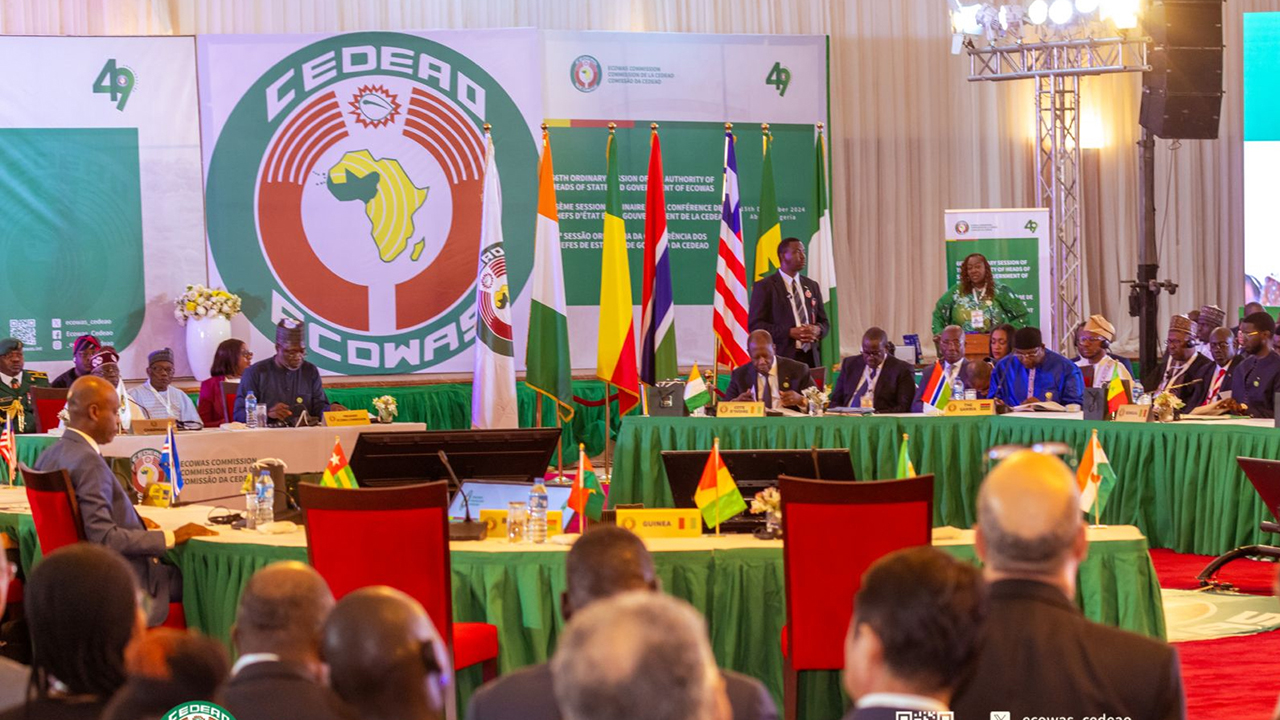
The ECOWAS Commission confirmed that Heads of State and Government adopted the measures during their December 2024 summit in Abuja, following years of stagnation in the aviation sector and mounting pressure from international aviation bodies. Air travel in West Africa is widely considered among the most expensive in the world, with analysts saying prices are inflated not by fuel or distance, but by the cumulative weight of excessive taxes and charges imposed by governments and agencies.
Read Also:
ECOWAS, Guinea-Bissau unveil ADP phase II for CWD
Jonathan presses ECOWAS to force election result, release detained candidate
SERAP sues Tinubu govt at ECOWAS Court over undisclosed NDDC audit report
According to studies by ECOWAS, the African Union, the African Airlines Association (AFRAA) and the International Air Transport Association (IATA), air travellers in West Africa may pay up to 66 separate charges on a single ticket, while airlines operating in the region face more than 100 different fees. These include aviation security charges, solidarity taxes, customs processing fees, airport development levies and a long list of state-imposed surcharges.
As a consequence, aviation growth in the region has lagged far behind other parts of the world. Domestic and regional flight routes routinely operate below capacity, ticket prices remain prohibitively high, airports struggle to attract investment, and local airlines find themselves unable to compete with larger non-African carriers that dominate long-haul routes.
ECOWAS says the cumulative effect of these charges has not only stifled the aviation sector but also weakened broader regional connectivity, undermining its long-standing agenda for free movement of people and goods. The Commission noted that the excessive tax environment has discouraged intra-regional travel, slowed business exchanges and pushed many citizens to rely on long, unsafe road journeys instead of air travel.
In its detailed statement, ECOWAS warned that the current system has left governments with less, not more revenue for airport development, because the inflated ticket prices suppress demand. “Years of excessive taxation have stunted the growth of the region’s air transport sector,” the Commission said. “This has limited governments’ ability to mobilise adequate revenue for investment in airport infrastructure and services, thereby reducing the sector’s attractiveness as a driver of economic development.”
The new aviation tax reforms, formalised through a Supplementary Act, are designed to align West Africa with international aviation standards established under the International Civil Aviation Organization (ICAO) and the Chicago Convention. The Act mandates transparency, fairness and non-discrimination in aviation taxation—principles long advocated by global aviation stakeholders.
ECOWAS officials say the economic benefits could be substantial. Internal modelling suggests that ticket prices could fall by as much as 40 per cent once the reforms take effect. Lower fares are expected to stimulate passenger traffic, strengthen airline viability, encourage private investment and increase commercial activity around airports. Tourism officials across Cape Verde, Senegal, The Gambia, Ghana and Nigeria have already welcomed the development, describing it as a long-awaited “unlocking” of West Africa’s aviation potential.
Airlines, however, have been warned that they will be expected to pass the savings directly to passengers. The Commission stressed that the intention of the policy is not to improve airline profit margins but to make flying accessible to a wider population. To enforce this, ECOWAS is establishing a new Regional Air Transport Economic Oversight Mechanism that will monitor compliance, pricing structures and member state implementation.
The bloc also plans to support additional initiatives, including shared aircraft maintenance facilities, coordinated safety oversight and harmonised regulatory frameworks, measures expected to reduce operational costs and strengthen regional carriers.
Implementation, however, may prove challenging. Member states must now amend their domestic laws and aviation policies to align with the new regional framework. Some governments rely heavily on aviation-related taxes as revenue sources, and analysts say political will may vary across the bloc. Nevertheless, the unanimous adoption of the reforms at the ECOWAS summit is viewed as a promising indication of regional commitment.
For Nigeria, West Africa’s largest aviation market, the reforms could have profound effects. Nigerian passengers consistently pay some of the highest airfares on the continent, and the country remains one of the most expensive places to fly within Africa. As the reforms take effect across the region, travellers may see cheaper domestic and regional routes, strengthened airlines and improved airport performance.
Aviation experts say the reforms represent a long-overdue shift that could reshape how West Africans travel and do business. If fully implemented, they could offer a new model for regional aviation policy, one that prioritises growth, affordability and long-term sustainability over short-term revenue extraction.
For now, the expectation among travellers, airlines and industry observers is clear: the skies over West Africa may finally become more open, more affordable and more competitive.

