


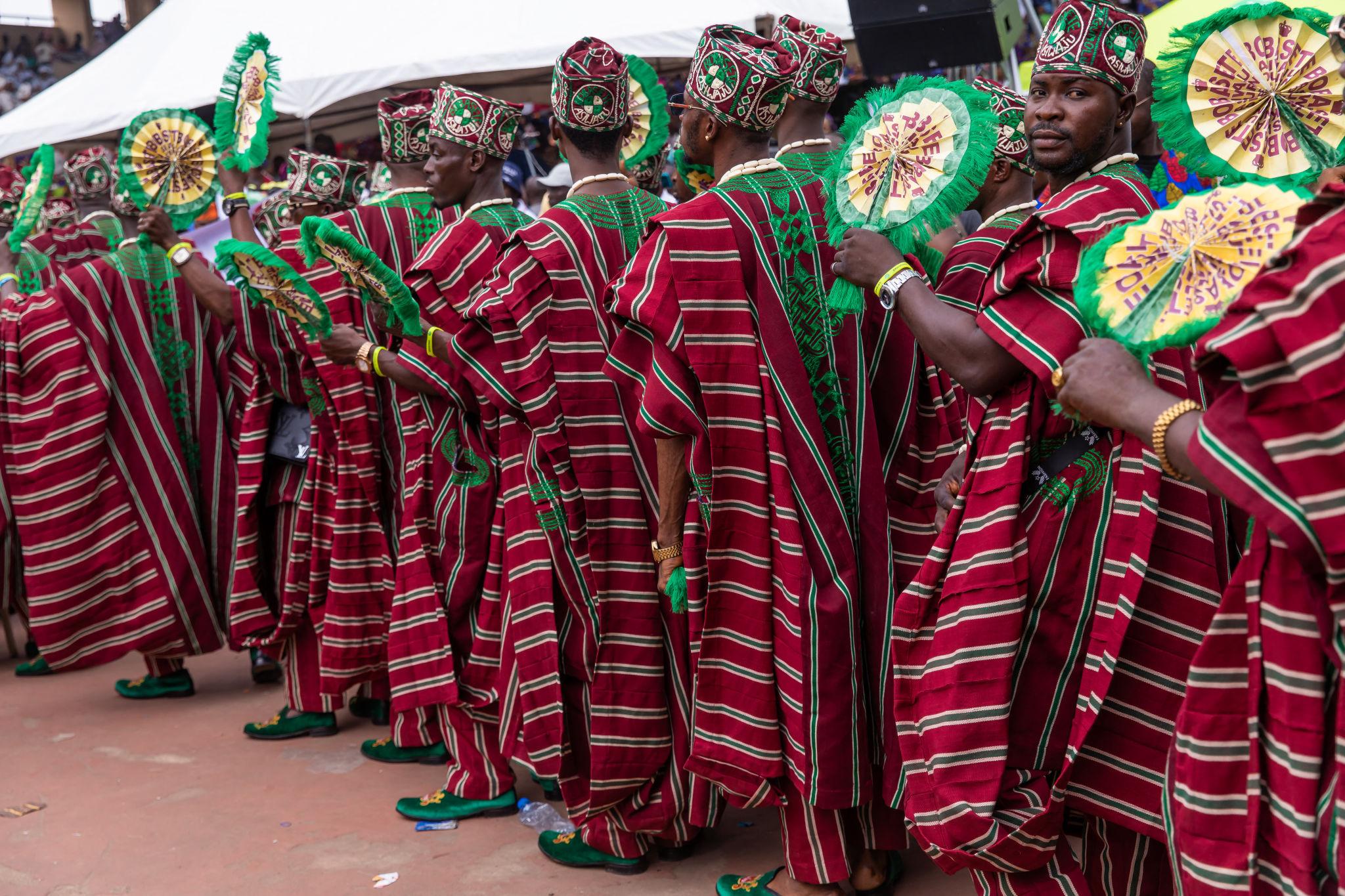
It was a day of celebration and cultural pride in Abuja as members of the Mwaghavul community gathered to showcase their heritage at the annual Puus Kaat festival.
Held on Saturday, 14 March, the event brought together sons and daughters of the Mwaghavul people from across Nigeria, turning the nation’s capital into a stage for tradition, music and shared identity.
Puus Kaat, a festival linked to the planting season in Plateau State, is one of the community’s most important cultural events. It serves not only as a celebration of agriculture but also as a platform to preserve history, promote creativity and pass down traditions to younger generations.
This year’s gathering in Abuja highlighted those values, with displays of traditional dance, attire and storytelling reflecting the richness of Mwaghavul culture.
Read related news:
Abuja–Kaduna trains resume after Mondays disruption, NRC assures safety
Wike dismisses claims of banditry in Abuja
Among those in attendance was Bernard Mohammed Doro, who praised the community for maintaining its cultural identity while adapting to modern life.
He called for stronger collaboration between cultural groups and researchers, urging experts to study traditional artefacts and knowledge systems. He pointed in particular to indigenous techniques such as fire-making, noting their role in sustaining communities over time.
The minister said such knowledge could offer practical insights into resilience and development if properly documented and understood.
Beyond the performances, the festival carried a deeper purpose. It provided a space for reflection, gratitude and unity, reinforcing bonds within the community while celebrating shared values and heritage.
Elders used the occasion to pass on folktales and cultural lessons, ensuring that traditions remain alive despite the pressures of urbanisation and social change.
For many attendees, the event was more than a festival, it was a statement of identity. In a rapidly changing world, gatherings like Puus Kaat offer a reminder of roots, continuity and belonging.
As the celebrations concluded, the message was clear: the Mwaghavul people remain deeply connected to their culture, determined to preserve it and pass it on to future generations.

