


Several Nigerians, particularly Muslims have slammed the Independent National Electoral Commission of Nigeria for scheduling the Nigerian election for the next Muslims’ obligatory fasting month which is February 2027.
Since the announcement of the poll timetable and schedule on Friday by the commission’s chairman, Joash Amupitan at a press conference in Abuja on Friday, fixing presidential and National assembly elections for Saturday, 20 February 2027.
The Commission said the dates were selected in line with the provisions of the 1999 Constitution (as amended).
But the timetable has triggered public criticism as Muslims are expected to begin their 2027 Ramadan in February and to end in March which the polldates fall within the fasting period.
Muslims reacted
The INEC chairman, Amupitan has come under public criticism especially by Muslims, calling him to reconsider the scheduled dates for the 2027 election.
Yushau Shuaibu who is the publisher of PR Nigeria and a public relations practitioner, among Muslims Nigerians blames Amupitan for scheduling elections in the month of Ramadan.
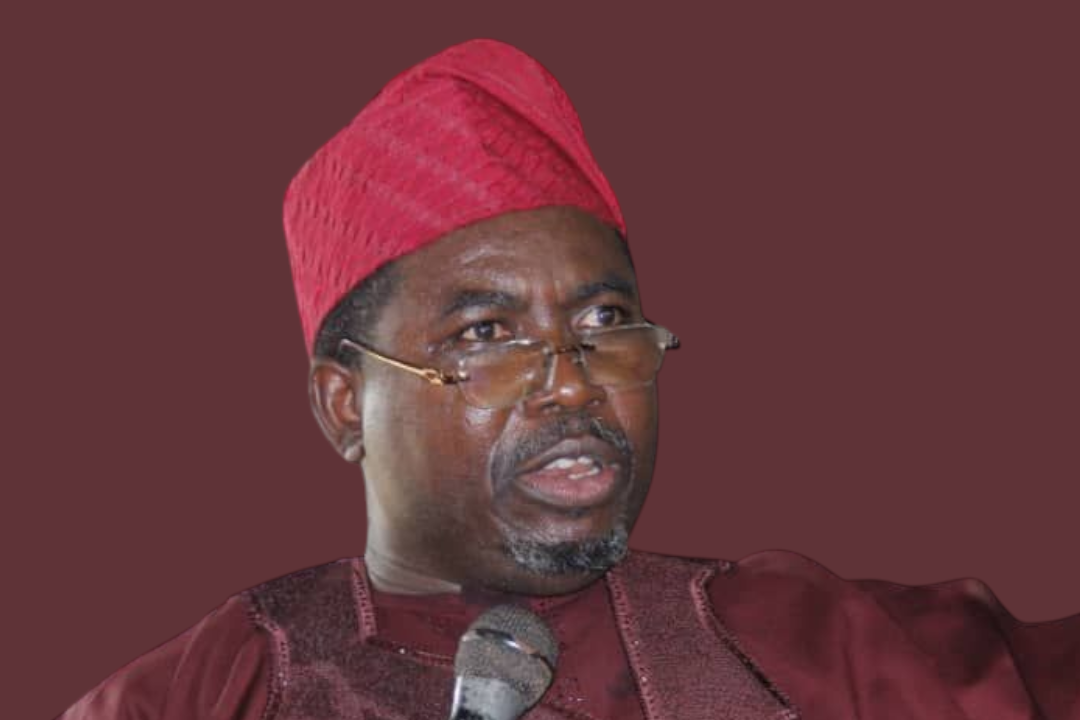
“Haba Chairman Amupitan, was there no advice from other INEC members that the dates you fixed for next year’s general election fall in the holy month of Ramadan, when Muslims will be fasting? Decisions of this magnitude should reflect national interest, not personal or parochial sentiment”, he wrote in the attached image of INEC boss.
Similarly, Bashir Ahmed, former media aide to late President Muhammadu Buhari also said that the poll dates fell within Ramadan period, urging INEC to reconsider its plan
Ahmed wrote, “Dear INEC Nigeria. This is a respectful observation following the announcement of February 20th and March 6th, 2027, as the date for the next Presidential and National Assembly and Governorship and State Assembly elections respectively. The proposed dates fall within the holy month of Ramadan, a period during which many Muslims devote significant time to fasting, prayer, and spiritual reflection.
“If the intention is to encourage full and inclusive participation in the electoral process, scheduling such a critical national exercise during Ramadan may present challenges for a large segment of the population. Many Muslims tend to reduce engagement in demanding worldly activities during this period in order to focus on religious obligations”.
“Given the significant Muslim population in this country, it may be worthwhile to reconsider the timing to ensure broader participation and convenience for all citizens. I do hope this observation will be taken in the spirit of inclusiveness and national cohesion”.
A Lawyer, Abba Hikima wrote, “Unless Professor Amupitan intends to lend credence to the lingering agitation that he harbours certain bias against Muslims, he must immediately review the administrative decision of fixing Nigeria’s national election in Ramadan”.
“While Ramadan is a period of compulsory fasting for Muslims, characterized by intense physiological demands and requiring adherents to abstain from food and drink from dawn to dusk, voting, especially in Nigeria, entails long queues, prolonged exposure to heat, transportation challenges, and extended physical exertion- conditions wholly incompatible with the demands of fasting Muslims. Both activities are constitutionally protected by Nigeria’s constitution and INEC is duty bound to uphold them.
“The fixing of an election date is an administrative decision subject to review in the broader public interest. In order to preserve the religious freedom and civic participation rights of more than half of the voting population, prudence dictates that the Commission reassess the proposed date and consider scheduling it either before the commencement of Ramadan or after the completion of the fasting period. Nothing in the Constitution bars the Commission from making such an adjustment in the interest of fairness, inclusivity, and national cohesion.
“Failure to do this would disproportionately burden fasting citizens which amounts to about 55 percent of the population and ultimately defeat INEC’s statutory duty to encourage voter participation”.

