


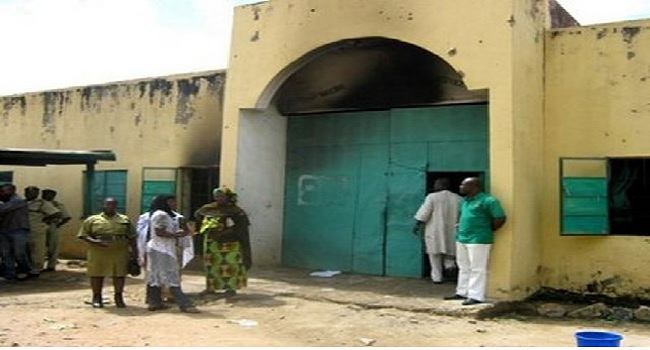
At least 11 inmates were pardoned at Suleja correctional center by Niger State chief judge, Justice Halima Abdulmalik to decongest correctional facilities in the state.
The NAN reports that the chief judge announced the decision l during her annual routine visit to the custodial facility on Wednesday in Suleja.
READ MORE:10 things you need to know about Rivers Chief Judge
US court sentences Nigerian to eight years over $1.3m tax fraud scheme
Ms Abdulmalik said that the inmates were freed following a thorough review of their case files, and they were found to be of good conduct while serving their prison terms.
She said that many of the freed inmates had fewer than three months left to complete their jail terms.
She stated, “The beneficiaries have demonstrated diligence and reformation; they deserved to be reunited with their families and reintegrated into society. I personally reviewed the cases of both awaiting-trial inmates and convicted persons, interacting with them individually as their names were called out by custodial officers.
“While some cases were referred for immediate summary trial on lesser offences due to lack of diligent prosecution, others were directed to return to custody pending their court hearing dates.
“In total, 36 inmates were attended to during the visit, with 11 convicts discharged. Some of those released were summarily tried before regaining their freedom.”
Earlier, Christopher Jen, the Controller of the Nigeria Correctional Service (NCoS), in charge of the FCT Command, said the visit of the chief judge was timely and commendable.
Mr Jen assured the chief judge that those released had exhibited good behaviour and would no doubt become responsible members of society.
The controller further stated that both awaiting-trial inmates and convicts at the facility had undergone various vocational and skill acquisition programmes to aid their rehabilitation.
According to him, the centre currently houses 318 inmates, comprising 192 awaiting trial and 126 convicted inmates, including four condemned prisoners, two males and two females.
Mr Jen also said that the majority of the inmates at the faculty were held for offences such as homicide, armed robbery, fraud, breach of trust, cheating, and sexual assault.
The visit was rounded off with a tour of the centre’s skill acquisition units, where inmates were being trained in various skills as part of efforts to promote rehabilitation and reintegration.

