


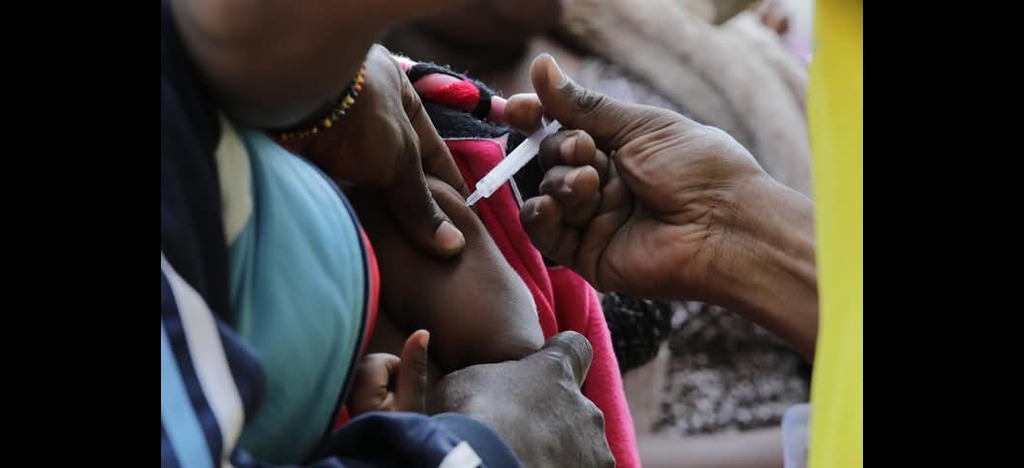
Nigeria cannot afford to relax its immunisation efforts as long as infectious diseases remain a threat anywhere in the world, a consultant virologist, Prof. Oyewale Tomori, has warned, stressing that global health risks make sustained vaccination programmes non-negotiable for the country.
Tomori, who is also the Chairman of Biovaccines Nigeria Limited, gave the warning in an interview with journalists on Sunday in Lagos, where he expressed concern over the growing wave of vaccine hesitancy fuelled by misinformation and disinformation.
He lamented that despite years of advocacy and expanded access to vaccines, some parents still resist immunising their children, a trend he said could reverse hard-won public health gains.
According to the virologist, false narratives, particularly around modern mRNA vaccines, have taken deep root, leading not only to vaccine hesitancy but outright boycotts, with a spillover effect on routine vaccines that were widely accepted in the past.
Tomori explained that mRNA vaccines are preventive tools designed to train the body to recognise and fight infectious diseases, noting that most misleading claims about vaccines often go unchallenged by facts.
He warned that declining confidence in vaccines poses a serious threat to the success of national and global immunisation programmes, calling for sustained public education to counter falsehoods.
“To assure full acceptance of vaccines, we must continue to share the truth and facts about life-saving vaccines as fast, if not faster, than misinformation and disinformation,” he said.
The virologist pointed to countries that had previously eliminated vaccine-preventable diseases through consistent immunisation but are now experiencing outbreaks after abandoning vaccination, stressing that no nation is insulated from global disease threats.
He cited polio as an example, noting that although only two countries remain endemic for wild poliovirus, all other countries, including Nigeria, must continue vaccinating and maintain strong surveillance systems to detect any resurgence.
According to Tomori, vaccine hesitancy is already contributing to declining vaccine coverage and increasing the risk of outbreaks and epidemics of preventable diseases.
However, opinions among parents remain divided. A mother of two, Mrs Gloria Adams, said vaccination and some medical interventions conflicted with her religious beliefs, adding that her children, now teenagers, had never been vaccinated and were healthy.
She expressed confidence in divine protection, arguing that healthy living and good hygiene were more important determinants of well-being.
Another parent, Mr Maduka Osita, said his experience with side effects after receiving the COVID-19 vaccine discouraged him from taking any further vaccines, though he acknowledged the need for better public awareness to address misconceptions.
In contrast, Mr Paul Onyag said all his children were fully vaccinated as scheduled, adding that he had no reservations about immunisation as long as it was recommended by medical and health professionals.
Public health experts warn that bridging the trust gap through sustained education and transparent communication remains critical to ensuring Nigeria does not lose ground in the fight against vaccine-preventable diseases.
For More Details, Visit New Daily Prime at www.newdailyprime.news

