


By: Ifedamola Joseph Fayomi
In Nigeria today, social media has quietly turned drama into a business model. Platforms like Instagram, Facebook, TikTok, and X have created a world where attention is treated like money, and the people who attract the most attention often gain the most influence.
Unfortunately, the people receiving that attention are not always the most talented, disciplined, or hard-working.
More often than not, the loudest voices, the most controversial opinions, and the most shocking behaviour dominate the conversation.
Read Also: Healthy Relationship Conflict: Why You Should Stop Panicking and Start Growing
We are living in a time when being controversial can seem more profitable than being a person of integrity.
For many young Nigerians struggling with unemployment, inflation, and the high cost of living, social media appears to offer an escape.
A single viral video can bring followers, endorsements, and money. A trending post can change someone’s life overnight.
In a country where opportunities are limited, many people now see social media fame as the fastest route to success.
But that desire for quick success has created a dangerous culture. Instead of building a real career, many people are now building fake versions of themselves.
They stage drama, create scandals and invent lifestyles simply to remain relevant.
The rise of the fake life
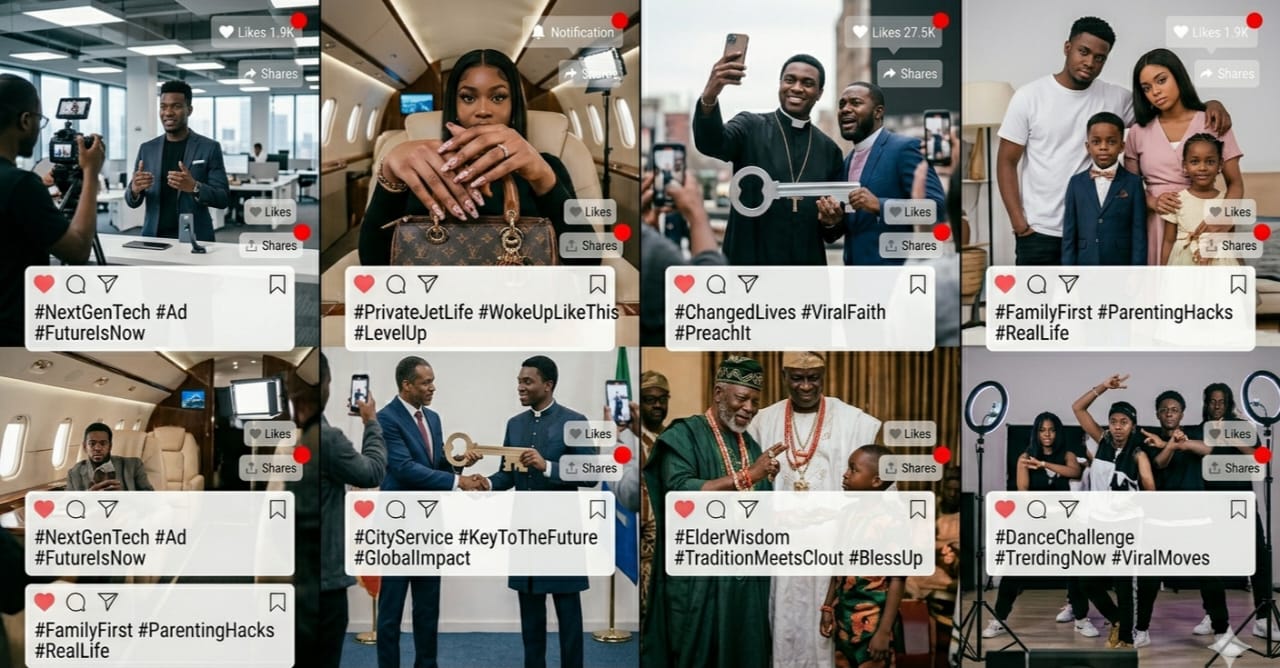
One of the most common things on Nigerian social media today is the “fake life.”
Every day, people post pictures that make it look as though they are living in luxury. They pose beside expensive cars they do not own.
They take photos in rented apartments or hotel rooms and pretend the property belongs to them. They wear designer clothes, wristwatches, and jewellery borrowed from friends or hired for a few hours.
The goal is not reality. The goal is perception.
On social media, looking successful is often considered more important than actually being successful.
Once people believe that you are rich, connected or influential, followers begin to gather around you. When the followers increase, brands begin to notice.
Soon, money starts to come in.
For many people, the fake life has become a business strategy.
Some even go beyond pretending to be rich. They fake illnesses, emotional problems, or personal crises because they know sympathy can also bring attention.
There have been cases of people allegedly sharing false medical reports online to receive donations from followers.
Others invent stories about being attacked, cheated, or abandoned simply because they know such stories will trend.
At first, it may seem to work. The likes increase. The comments pour in. More people follow them. But living a lie comes at a heavy price.
Maintaining a fake image is exhausting. A person who pretends to be wealthy must keep pretending every day.
They must constantly create new photos, new stories, and new explanations. Eventually, the truth often comes out, and when it does, the same people who praised them are usually the first to mock them.
When controversy becomes a career
When fake pictures and fake lifestyles are no longer enough, many people turn to controversy.
Every week in Nigeria, there is a new online fight. One celebrity insults another. An influencer makes a shocking statement. A public figure says something offensive and then waits for the internet to react.
The reason is simple: outrage brings attention.
The social media algorithm does not care whether a person is right or wrong. It only cares whether people are paying attention. If thousands of people are arguing in the comment section, sharing the post and making videos about it, the platform continues to push that content to more users.
That is why many people now create drama on purpose.
Some start rumours. Others insult fellow creators or spread false stories. Some pretend to be enemies online even though they are secretly working together behind the scenes. They know that people love gossip, conflict and scandal.
In the short term, the strategy works. The person becomes famous. Their page grows. They receive more views and more money.
But in the process, they slowly lose something more valuable: their dignity.
A reputation built on lies and controversy is fragile. It can disappear as quickly as it appeared.
The hidden damage behind the screen
The biggest danger of this culture is not only the damage it causes to society. It is also the damage it causes to the person living that fake life.
When someone constantly pretends to be somebody else, they begin to lose touch with who they truly are.
There is anxiety because they are always afraid of being exposed.
There is emptiness because their happiness now depends on likes, comments and validation from strangers.
There is identity loss because, after a while, they no longer know who they are without the expensive clothes, the filters, and the online drama.
Many young people now compare their real lives to the fake lives they see online. A student sees an influencer showing luxury cars and designer bags and begins to feel like a failure. Another person takes out loans or spends money they do not have simply to create content that will impress strangers.
But after the video is posted and the camera is turned off, reality returns.
The debt remains. The loneliness remains. The pressure remains.
It is happening everywhere
This culture is no longer limited to influencers alone. It has spread into almost every part of Nigerian society.
In entertainment, some musicians and actors now stage public fights, fake breakups and “leaked” arguments simply to promote a new song, movie or project.
In religion, even some gospel artists and ministers appear to care more about celebrity status, luxury cars, and expensive branding than the actual message they are supposed to preach.
In politics, social media influencers are sometimes paid to spread lies, attack opponents and distract people from the real problems facing the country.
Among students, the pressure is especially dangerous. Many young people now feel they must constantly look rich, fashionable, and successful online.
Some borrow money, go into debt, or make risky decisions just to appear “cool” on TikTok or Instagram.
Why being real still matters
Although the internet often rewards drama, we must remember that attention is not the same thing as respect.
There are still Nigerians who choose honesty over hype. There are artists, entrepreneurs, students, and professionals who are building their lives slowly and genuinely. Their progress may not go viral overnight, but it is real.
They do not have to worry about being exposed because they are not pretending.
In a world where everybody is chasing clout, the most powerful thing a person can do is remain true to themselves.
Fame built on lies may bring quick attention, but it never lasts. A reputation built on character, honesty, and hard work may take longer to build, but it will survive long after the noise has faded.
For more details, visit New Daily Prime at www.newdailyprime.news.

