


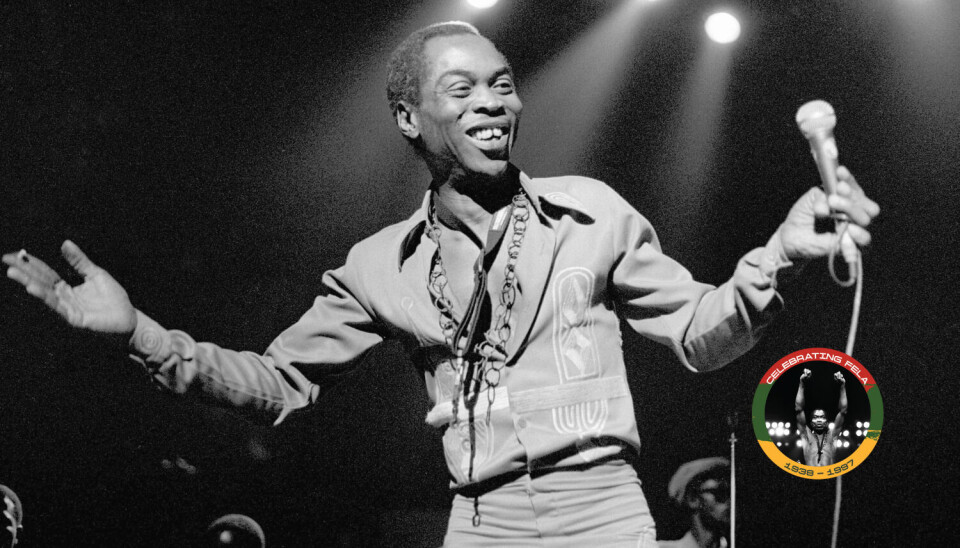
The global stature of Nigerian music legend Fela Aníkúlápó Kuti has been further affirmed as the Recording Academy posthumously honoured the Afrobeat pioneer with a Grammy Lifetime Achievement Award, recognising his extraordinary contributions to music, culture and political expression.
The prestigious award, reserved for artistes whose creative output has left an indelible mark on world music, celebrates Fela’s enduring influence nearly three decades after his death in 1997. The Academy said his work continues to inspire generations of musicians across Africa and the world, noting that his fearless artistry reshaped the role of music as a tool for social change.
Read related news from New Daily Prime:
Fela Kuti becomes first African to receive Recording Academy Lifetime Achievement Award
Baba Fryo slams Wizkid for claiming bigger than Fela
Widely acknowledged as the architect of Afrobeat, Fela blended traditional African rhythms with jazz, funk and highlife to create a sound that was both revolutionary and deeply political. Through classic albums such as Zombie, Expensive Shit and Coffin for Head of State, he launched blistering critiques of corruption, military dictatorship and social injustice in Nigeria, earning global acclaim and repeated clashes with authorities at home.
In announcing the honour, the Recording Academy said Fela’s influence remains evident across contemporary genres, from modern Afrobeats to jazz, hip-hop and alternative music. His bold activism and uncompromising voice, it noted, helped redefine the power of popular music beyond entertainment.
Members of Fela’s family welcomed the recognition, describing it as long-overdue global validation for an artiste who paid a heavy personal price for challenging power. His sons, Femi Kuti and Seun Kuti, alongside his grandson Made Kuti, have continued to project the Afrobeat legacy on international stages.
Born Olufela Olusegun Oludotun Ransome-Kuti on October 15, 1938, in Abeokuta, Fela came from a prominent family of activists and intellectuals. His mother, Funmilayo Ransome-Kuti, was a renowned nationalist and women’s rights campaigner whose influence shaped his political consciousness. In later years, Fela dropped the colonial surname “Ransome” and adopted Aníkúlápó, a Yoruba name symbolising defiance and self-determination.
Trained in classical music at Trinity College London, Fela’s exposure to global sounds and Black Power movements during a 1969 tour of the United States radicalised his music and message. He later founded the Kalakuta Republic, a self-declared commune in Lagos, and endured repeated arrests and imprisonment for his outspoken views, including a 20-month jail term in 1984.
Beyond music, Fela ventured into politics, forming the Movement of the People party and seeking Nigeria’s presidency in 1979. Though unsuccessful, his influence on political discourse remained profound.
The Grammy honour adds to a growing list of posthumous accolades that include stage productions, documentaries and academic studies celebrating his life and work. Nearly 30 years after his passing, Fela Aníkúlápó Kuti’s message of resistance, freedom and African pride remains as powerful as ever, with the Grammy recognition further securing his place among the greatest icons in global music history.

