


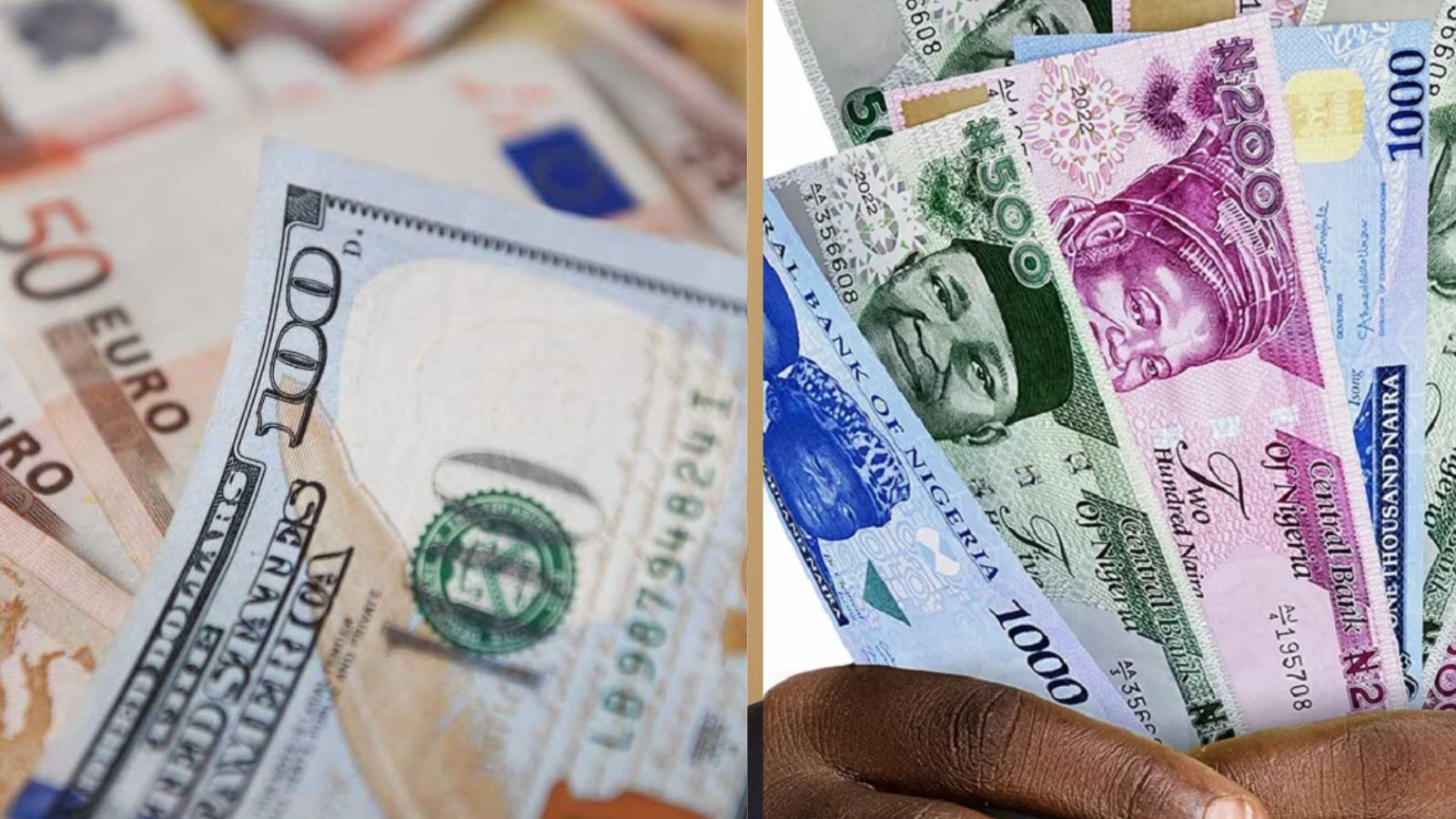
The Nigerian naira maintained relative stability against the United States dollar on Saturday, 10 January 2026, with both the official and parallel (black market) exchange rates showing steady performance compared to the previous trading session.
According to data compiled from the NGNToday platform, the official exchange rate closed at N1,419 per dollar, while the parallel market rate settled at N1,495 per dollar, unchanged from levels recorded on Friday but reflecting modest improvements compared with earlier in the week.
This relative steadiness marks a continuation of foreign exchange market dynamics that have characterised the opening weeks of 2026, where cautious optimism coexists with persistent pressures on FX liquidity and demand. The official rate at N1,419/$ stands slightly firmer than recent days, underscoring ongoing efforts by market participants and the Central Bank of Nigeria (CBN) to support formal market stability.
Meanwhile, the black market rate at N1,495/$ reflects the persistent gap between informally traded currency and rates quoted in formal windows such as the Investors and Exporters (I&E) FX window and other regulated channels.
Market analysts note that this dual‑tier pricing structure continues to highlight structural rifts in Nigeria’s FX market: while official channels benefit from regulated flows and central bank interventions, the parallel market remains shaped by supply‑demand imbalances and speculative pressures.
The N76 per dollar differential between the two can be seen as a barometer of market confidence neither excessively wide nor dramatically narrowing, but indicative of an ongoing, gradual convergence trend driven by improved dollar inflows and moderating speculative demand.
On the official market, the naira’s modest appreciation to N1,419/$ can be partly attributed to an uptick in dollar inflows from remittances, export receipts and improved liquidity conditions across banking corridors.
Market data from late December and early January suggested inflows were supportive enough to prevent further depreciation and to offset episodes of heightened demand from importers and corporate players.
By contrast, the parallel market rate at N1,495/$ refrescts sustained demand for hard currency outside formal channels, especially from individuals and businesses seeking physical dollar liquidity, a common feature in Nigeria’s largely cash‑oriented economy.
Importers, travellers, and informal sector buyers often resort to Aboki FX rates when official forex remains constrained or rationed, keeping unofficial rates elevated relative to official figures.
FX market observers have pointed out that recent foreign reserve trends and improved crude oil export earnings may further cushion FX volatility in the near term. Nigeria’s external reserves have shown signs of stability, bolstered by consistent oil receipts and external financing inflows, factors that reduce pressure on the naira and provide the CBN with firepower for potential interventions when necessary.
Despite this, risks remain. Traders caution that broader global macroeconomic conditions, including US monetary policy direction, oil price volatility, and capital flow reversals, could exert renewed pressure on emerging market currencies, including the naira.
For now, however, the N1,419 official rate and N1,495 black market rate portray a day of steadiness in a market that has seen both sharp swings and gradual recoveries over the past months.
Investors, importers and ordinary Nigerians will be closely monitoring whether this equilibrium holds as the first trading week of 2026 wraps up, and as technocrats and policymakers chart pathways toward deeper FX market reforms later in the year.
For More Details, Visit New Daily Prime at www.newdailyprime.news

