


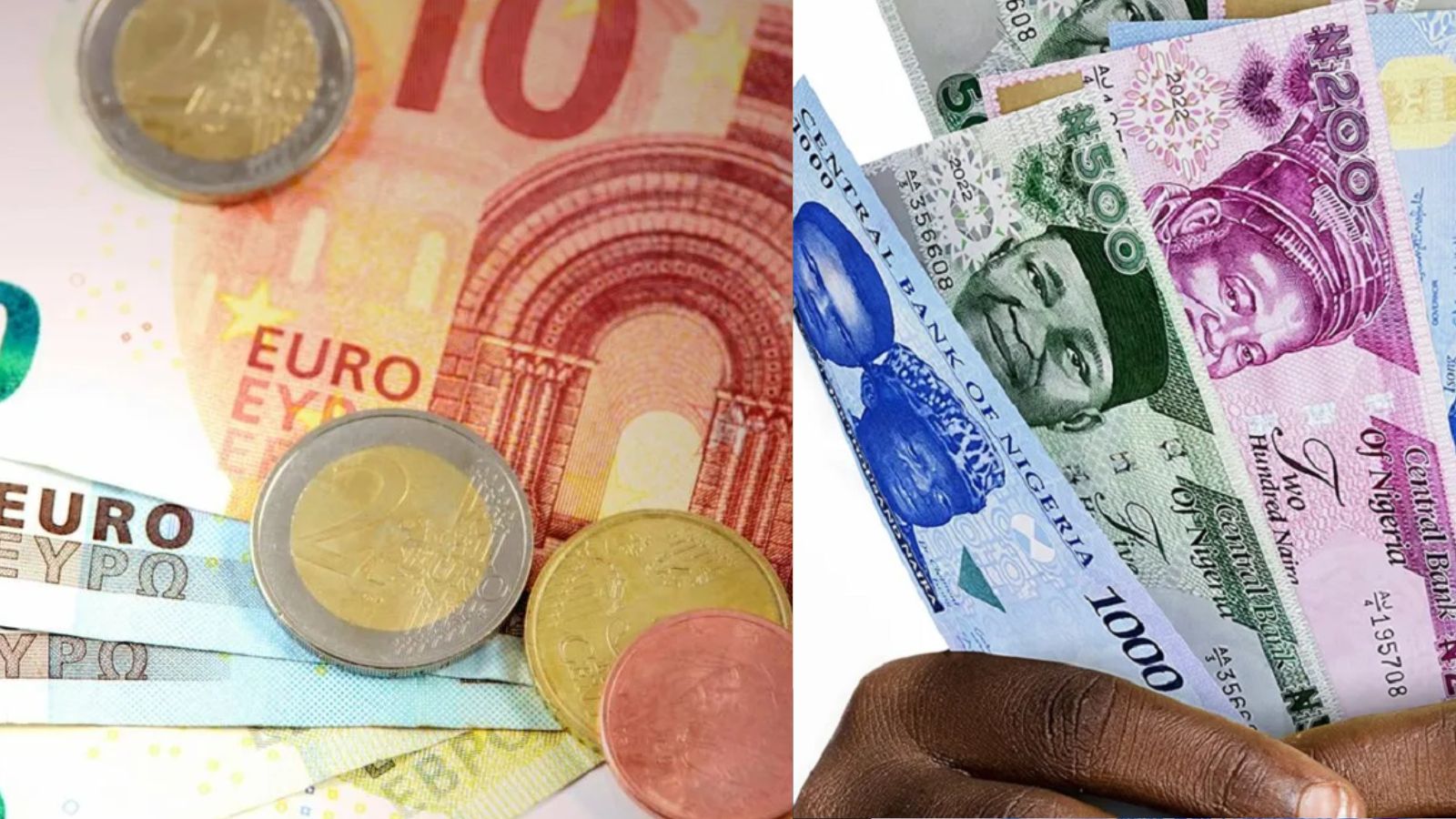
Fresh foreign exchange data released by the NGNToday platform show that the euro extended its mild depreciation against the Nigerian naira on 9 January, with declines recorded in both the official and parallel markets.
At the close of trading, the pound exchanged at N1,658 in the official market and N1,698 in the black market, down from the previous day’s levels of N1,660 and N1,715 respectively.
Viewed through a data analysis lens, the latest figures point to a gradual softening of pound demand rather than a sudden market disruption. The N2 decline at the official market represents a marginal adjustment, suggesting that institutional transactions involving the pound remain largely stable. Such small movements are often associated with routine recalibration of rates rather than shifts in underlying policy or supply conditions.
The parallel market, however, recorded a more visible adjustment, with the pound losing N17 compared to the previous trading day. This sharper movement highlights the sensitivity of the black market to short-term demand dynamics and trader sentiment.
Parallel market pricing is typically influenced by immediate cash needs, overseas payment obligations, and speculative positioning, all of which appear to have softened during the session.
A key insight from today’s data is the narrowing gap between the official and black market rates. The spread now stands at N40, significantly lower than the N55 differential recorded the previous day.
This convergence suggests improved alignment between formal and informal market pricing, often interpreted as a sign of reduced arbitrage opportunities. When spreads compress, traders have less incentive to exploit price differences, leading to calmer trading conditions.
From a trend perspective, the pound’s performance reflects a broader pattern of short-term correction. Rather than indicating sustained weakness, the depreciation may be the result of easing demand for pound-denominated transactions, such as school fees, travel expenses, and professional services. Seasonal factors and timing of international payments can also influence such movements, particularly in the retail-driven parallel market.
Official market stability remains a defining feature of today’s data. The structured nature of the official window, with regulated access and documentation requirements, tends to cushion sharp fluctuations. The pound’s slight dip to N1,658 suggests that inflows and outflows are still relatively balanced, with no evidence of stress or supply shortages.
This stability plays a critical role in anchoring expectations across the wider foreign exchange market.
For businesses and individuals, the depreciation carries mixed implications. Importers and service users dealing in pounds may experience marginal cost relief in the short term, while currency holders may reassess their positions in anticipation of further adjustments.
However, analysts caution against overinterpreting daily movements, as exchange rates remain highly responsive to broader macroeconomic variables.
These variables include Nigeria’s external reserve position, global currency movements, interest rate expectations, and overall investor confidence. Any shifts in these fundamentals could quickly alter the pound–naira trajectory, particularly in the parallel market, which tends to react faster to new information.
In practical terms, today’s data suggest a market in adjustment rather than decline. The absence of abrupt swings indicates that participants are responding to real-time demand conditions instead of panic or speculative pressure. This measured response contributes to relative stability, even amid depreciation.
For More Details, Visit New Daily Prime at www.newdailyprime.news

