


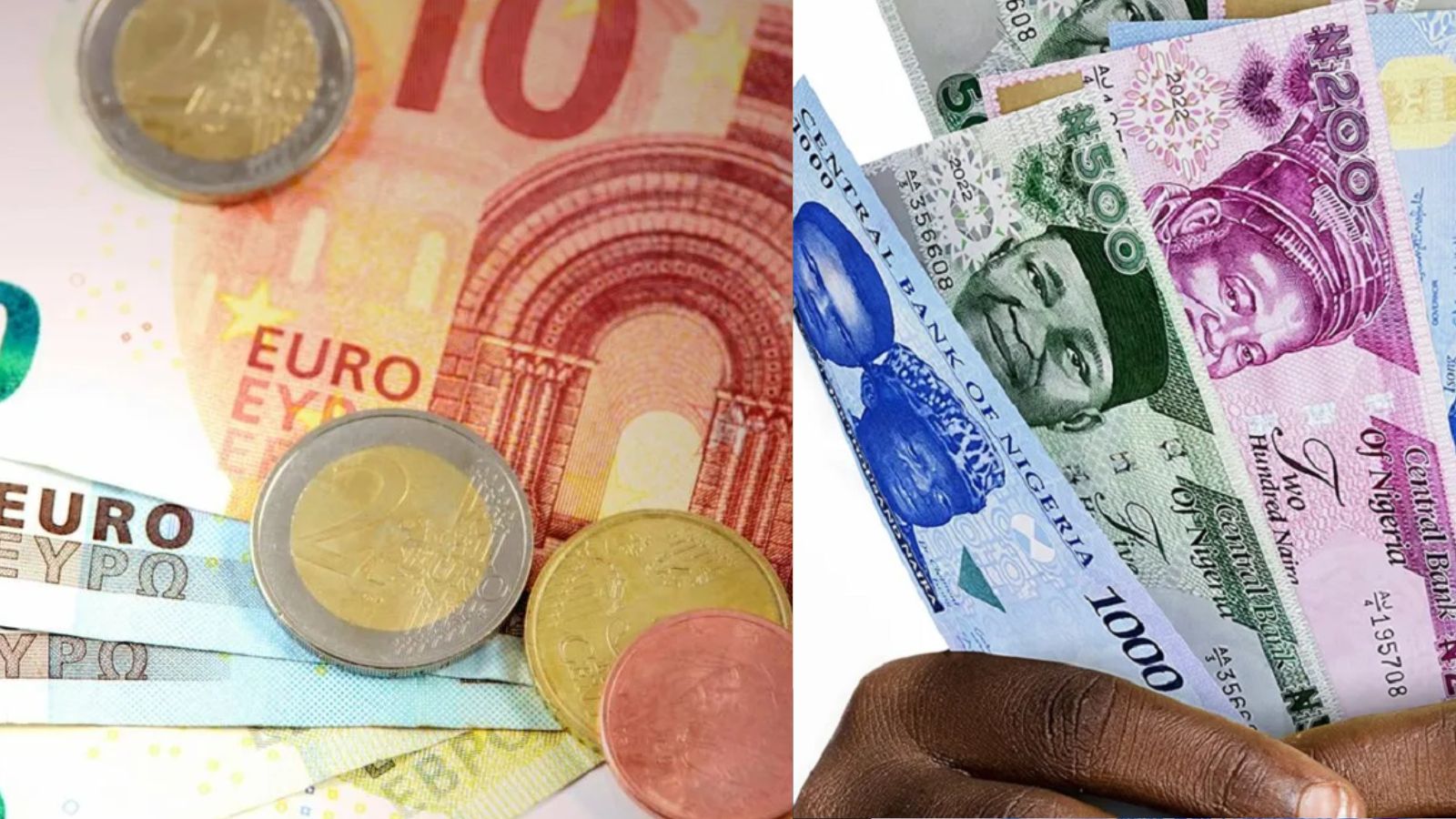
The euro retreated against the Nigerian naira on 6 January, as the foreign exchange market adjusted to changing demand conditions following the relative calm recorded a day earlier.
Latest figures published by the NGNToday platform show that the European currency exchanged at N1,687 through official channels, while the rate in the parallel market slipped to N1,680, indicating a depreciation from the levels seen on 5 January.
Market observers describe the development as a correction rather than a sharp shift, noting that trading activities at the start of the week were marked by caution and reduced volumes.
Dealers in the informal market reported weaker demand for euros, particularly from individuals and small businesses, leading to increased bargaining power for buyers and softer exchange rates.
At the official market, the euro’s pricing reflects adjustments within a tightly managed system overseen by the Central Bank of Nigeria. While access to foreign exchange remains controlled, the marginal movement in the official rate suggests that supply conditions were slightly more favourable compared to the previous day.
Analysts say such adjustments are often influenced by the pace of transactions and the level of requests approved through authorised dealers.
The situation in the parallel market was more pronounced, with the euro trading lower than the official rate, an outcome that traders say was driven by higher availability of the currency. Some holders of euros reportedly sold off their positions to meet local cash needs, adding to supply and easing pressure on the naira.
This development, they note, temporarily altered the usual pricing dynamics between the two market segments.
Despite the decline, economists caution against interpreting the euro’s movement as a sign of sustained naira recovery.
Structural factors continue to weigh heavily on Nigeria’s foreign exchange environment, including import dependence, limited export earnings outside crude oil, and fluctuating capital inflows. These challenges, experts warn, could quickly reverse any short-term gains if demand rises again.
International factors also remain relevant. The euro’s global performance, shaped by economic data from the eurozone and shifting expectations around interest rates, can influence local sentiment.
While global developments did not trigger the January 6 movement directly, analysts say they form part of the broader backdrop that affects currency positioning.
For businesses and individuals with euro-denominated obligations, the dip offers short-lived relief. Importers, students and travellers may find slightly improved terms in the parallel market, although financial advisers recommend caution given the volatility that often characterises Nigeria’s foreign exchange space.
Meanwhile, the Central Bank of Nigeria (CB) continues to emphasise reforms aimed at improving market efficiency, boosting liquidity and restoring confidence. Analysts argue that achieving durable stability will require consistent policy actions, stronger export performance and increased inflows from foreign investment and diaspora remittances.
For More Deatails, Visit New Daily Prime at www.newdailyprime.news

