


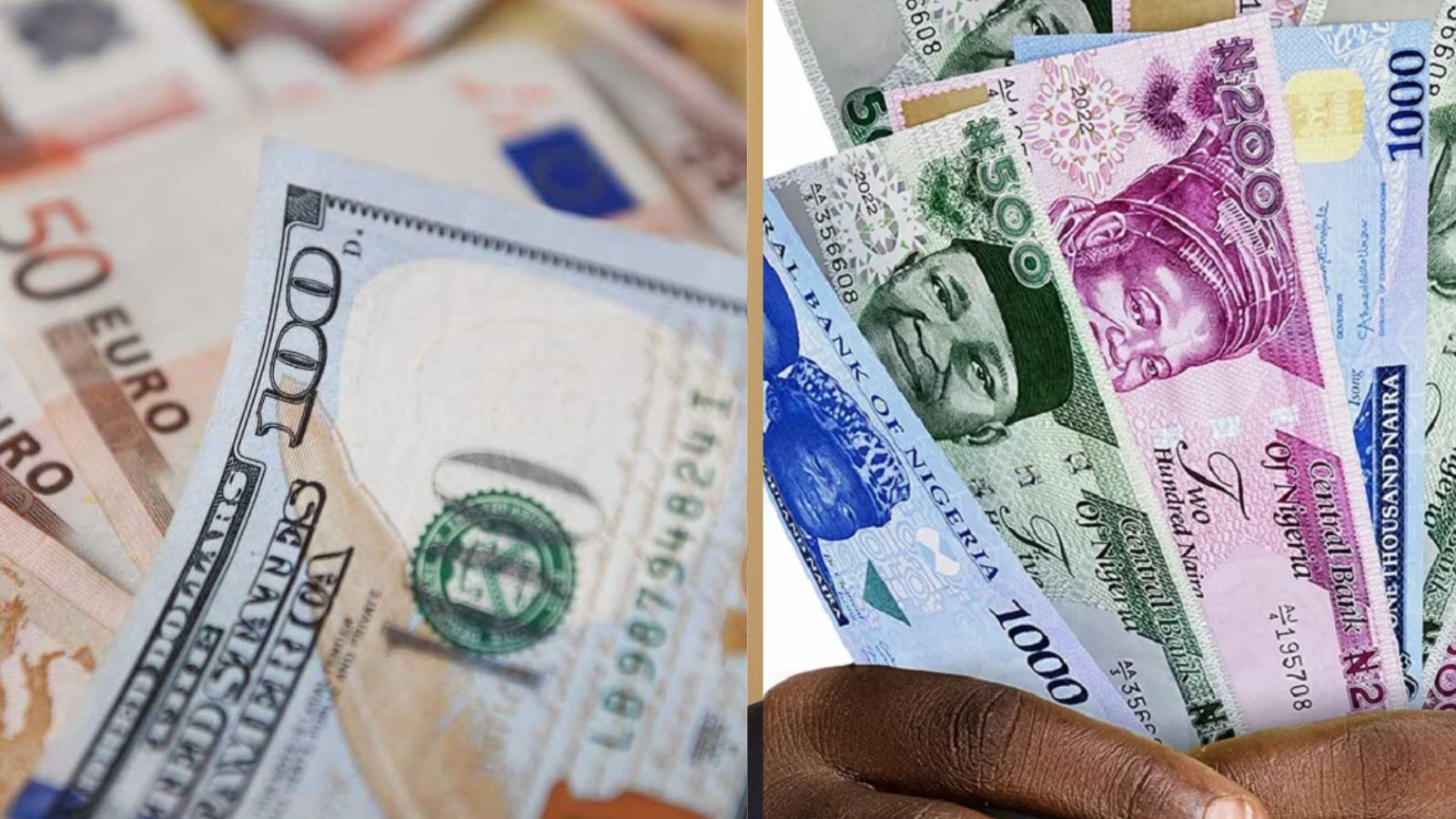
The Nigerian naira maintained a stable position against the United States dollar in the opening days of January 2026, with no movement recorded in both the official and black market segments of the foreign exchange market. Data published by NGNToday show that the exchange rate remained unchanged on January 2 and January 3, 2026, reflecting a period of short-term equilibrium in the currency market.
According to the figures, the official exchange rate stood at ₦1,435 per US dollar, while the black market (parallel market) rate remained at ₦1,480 per dollar on both days. This consistency suggests a temporary balance between dollar supply and demand, following weeks of volatility that characterised the final quarter of 2025.
Read related story from New Daily Prime: Naira under pressure as pound trades above ₦1,960 on black market – January 2, 2026
Official Market Stability
At the official window, the naira’s stability at ₦1,435/$1 indicates continued intervention and regulation by monetary authorities aimed at managing liquidity and preventing excessive fluctuations. Analysts note that such steadiness often reflects cautious dollar allocations to authorised dealers, as well as controlled demand from importers and manufacturers.
The unchanged rate also points to a wait-and-see approach by market participants, many of whom are monitoring policy signals, external reserves, and inflation data early in the new year. Traditionally, the first weeks of January can experience mild calm as businesses gradually resume operations after the festive period.
Black Market Premium Persists
Despite the calm, the gap between the official and black market rates remains notable. With the dollar selling at ₦1,480/$1 in the parallel market, the spread of ₦45 continues to highlight underlying pressure points in the foreign exchange ecosystem. The black market often reflects real-time demand for cash dollars, particularly from individuals and small businesses that may not easily access official channels.
Currency traders report that while demand has softened slightly compared to late December, dollar buyers remain active, especially for overseas payments, school fees, medical expenses, and travel-related needs. This persistent demand helps explain why the black market rate has not retreated closer to the official benchmark.
What the Stability Means for the Economy
Market watchers view the unchanged rates as a sign of short-term stability rather than long-term resolution. The naira’s performance remains tied to broader structural factors, including oil revenue inflows, export diversification, remittances from the diaspora, and investor confidence.
A sustained narrowing of the gap between the two markets would require increased dollar supply and improved confidence in official channels. Until then, the parallel market is expected to continue serving as a pressure valve for unmet forex demand.
Outlook for the Coming Days
Looking ahead, analysts caution that the current stability could be fragile. Any shifts in global oil prices, changes in foreign portfolio flows, or new policy announcements could quickly influence exchange rate dynamics. Additionally, as full business activity resumes nationwide, demand for foreign exchange may rise, potentially testing the naira’s current position.
For now, however, the unchanged rates on January 2 and 3 provide a brief sense of calm for businesses, importers, and households planning their foreign exchange needs at the start of 2026.
NGNToday’s Role
As a trusted platform for real-time currency information, NGNToday continues to provide up-to-date data on both official and black market exchange rates, helping Nigerians at home and in the diaspora make informed financial decisions. The platform’s daily updates remain a key reference point for traders, analysts, and the general public tracking the performance of the naira.
Summary of Key Rates (January 2–3, 2026):
fficial Rate: ₦1,435 / $1
Black Market Rate: ₦1,480 / $1
As the year unfolds, market participants will be watching closely to see whether this stability signals a stronger naira outlook or merely a pause before the next adjustment.
Follow more details visit New Daily Prime at www.newdailyprime.news

