


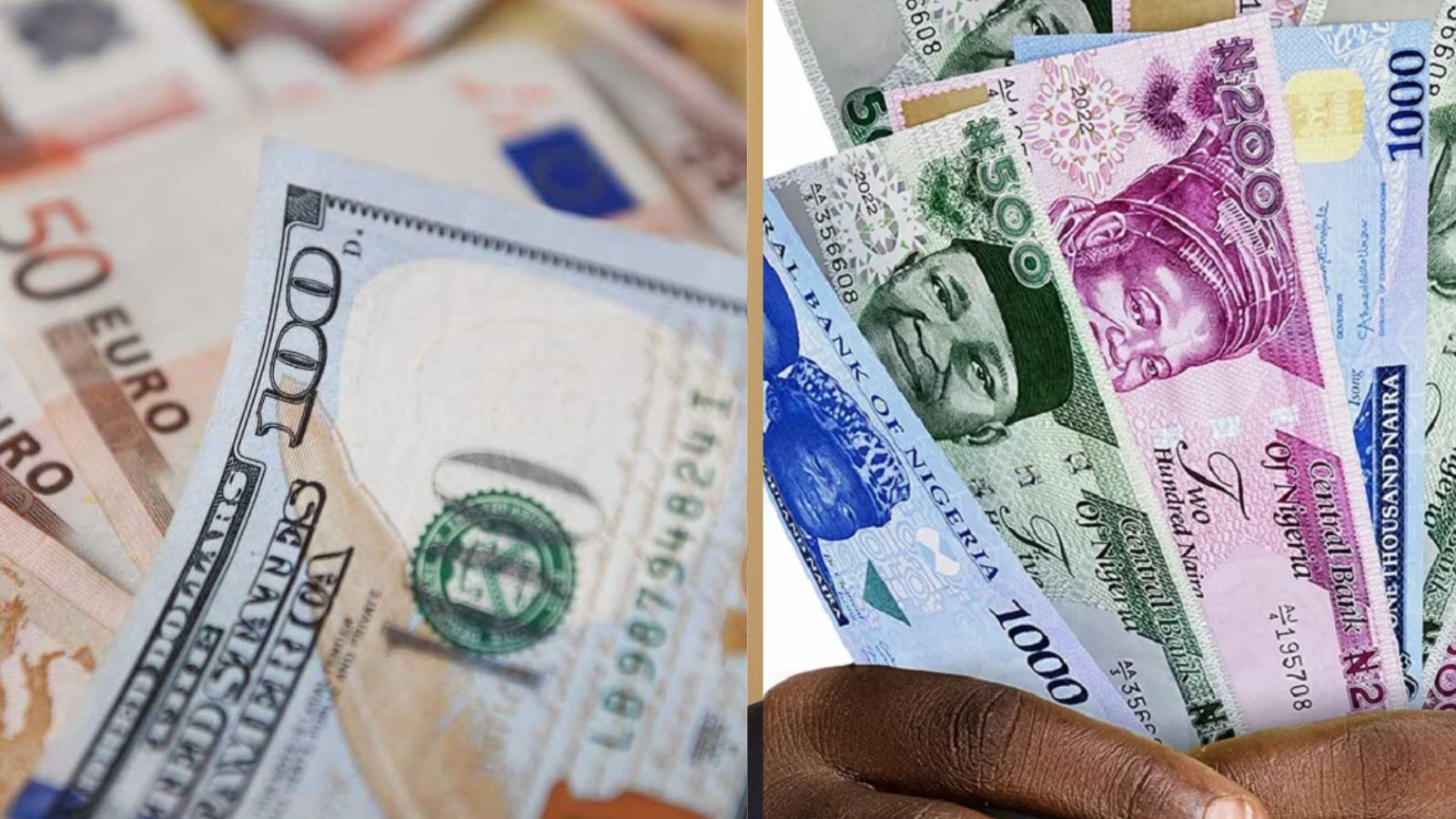
The United States dollar displayed a mixed performance against the Nigerian naira on 6 January, maintaining stability at the official market while easing in the parallel segment of the foreign exchange market. Data sourced from the NGNToday platform indicate that the dollar continued to trade at N1,430 at the official window, unchanged from the previous day, while the black market rate declined to N1,460, reflecting a depreciation from levels recorded on 5 January.
The contrasting movement highlights the differing forces at play across Nigeria’s foreign exchange landscape. While official rates remain closely managed through administrative controls and selective allocations, prices in the informal market are more sensitive to immediate demand and supply conditions. Analysts say the dollar’s decline in the parallel market suggests a short-term easing in demand, combined with improved availability from private sources.
At the official market, the dollar’s steady position underscores the Central Bank of Nigeria’s continued oversight of authorised dealers and its efforts to limit volatility. Market watchers note that regulated access to foreign exchange and prioritisation of critical sectors have helped anchor the official rate, even as broader market pressures persist. For businesses able to source dollars through formal channels, the unchanged rate provides a degree of certainty for short-term financial planning.
In the parallel market, however, traders report softer demand for dollars compared to earlier sessions. Individuals and small businesses, often the primary drivers of activity in the informal market, appeared more cautious, leading to reduced buying pressure. Some dealers also pointed to increased dollar supply from remittances and proceeds of informal trade, which helped push rates lower.
Despite the drop in the black market rate, economic analysts caution that the movement does not necessarily indicate a strengthening of the naira. Structural challenges, including heavy import dependence, limited non-oil export earnings and fluctuating foreign exchange inflows, continue to weigh on the local currency. These factors, experts warn, could quickly reverse the current trend if demand rebounds.
Global developments also play a role in shaping dollar-naira dynamics. As the world’s primary reserve currency, the dollar is influenced by international interest rate expectations, geopolitical developments and shifts in investor sentiment. While global factors did not trigger the 6 January movement directly, analysts say they remain an important backdrop for local market behaviour.
For households and businesses, the softer black market rate offers temporary relief, particularly for those with immediate dollar-denominated obligations. Importers, students and travellers may benefit from the lower parallel market pricing, although financial advisers caution that volatility remains a key risk.
The Central Bank of Nigeria has continued to emphasise its commitment to foreign exchange reforms aimed at improving liquidity and restoring confidence in the market. Analysts stress that lasting stability will depend on consistent policy implementation, stronger export performance and increased inflows from foreign direct investment and diaspora remittances.
For More Details, Visit New Daily Prime at www.newdailyprime.news

