


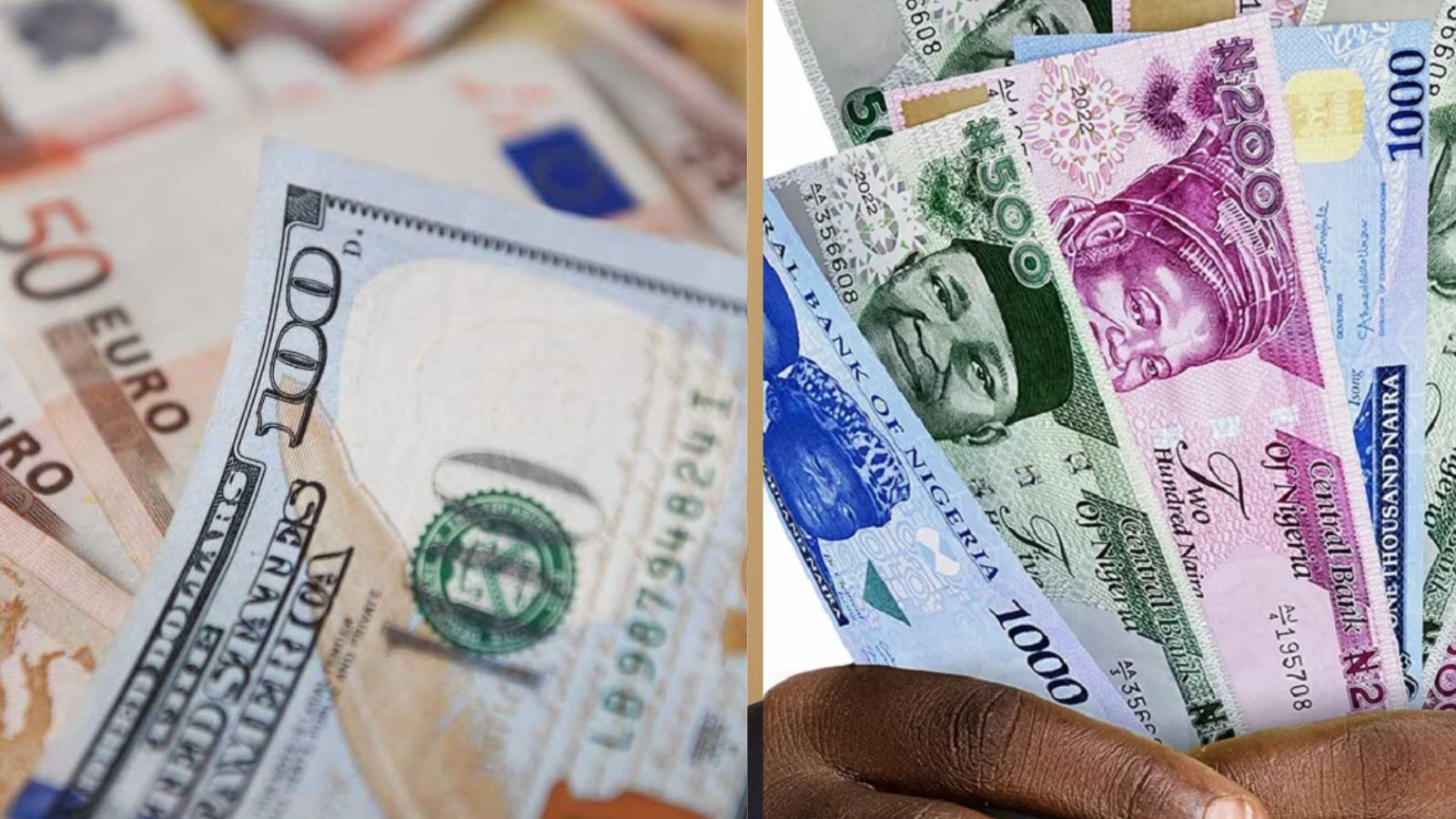
The Nigerian foreign exchange market displayed yet another day of contrasting fortunes for the US dollar on 8 January, with the official and black market rates moving in opposite directions.
According to the NGNToday platform, the dollar weakened slightly in the regulated window, while the parallel market remained unmoved, reflecting persistent structural gaps in the country’s currency markets.
At the official market, the US dollar was exchanged at N1,419, down from N1,430 recorded on 7 January. This continued a string of minor depreciations, indicating a subtle strengthening of the naira in official channels.
Market analysts attribute this movement to short-term liquidity adjustments and selective FX supply releases by regulatory authorities. While the adjustment is relatively small, it demonstrates ongoing efforts to stabilise the naira amidst persistent demand pressures.
In stark contrast, the black market held the US dollar steady at N1,460, the same as the previous day. Traders appear cautious, holding rates firm despite the slight softening at the official window.
This stability reflects the parallel market’s sensitivity to actual supply and demand, as opposed to administrative adjustments seen in regulated channels. As a result, the persistent premium of N41 over the official rate continues to pose challenges for businesses and individuals who rely on the informal market for access to foreign currency.
The ongoing divergence between official and black market rates highlights the complexities of Nigeria’s FX ecosystem. Despite policy measures aimed at harmonising rates and improving market transparency, the parallel market remains a critical lifeline for importers, small businesses, and individuals unable to access FX through formal channels. Economists warn that such disparities contribute to inflationary pressures, as the cost of imported goods rises for those forced to pay black market rates.
Market observers note that the official market’s slight depreciation may be a short-term reflection of moderated demand or temporary FX inflows. However, the black market’s resistance to change suggests that structural constraints remain in place. Traders in the parallel segment continue to price the dollar based on real-time demand and perceived scarcity, making it less reactive to minor adjustments in the official window.
For businesses, investors, and everyday consumers, the current rates underscore the importance of monitoring both markets closely. While official adjustments can signal optimism or temporary relief, the parallel market often sets the real economic cost for foreign currency in daily transactions.
For more Details Visit New Daily Prime at www.newdailyprime.news

