


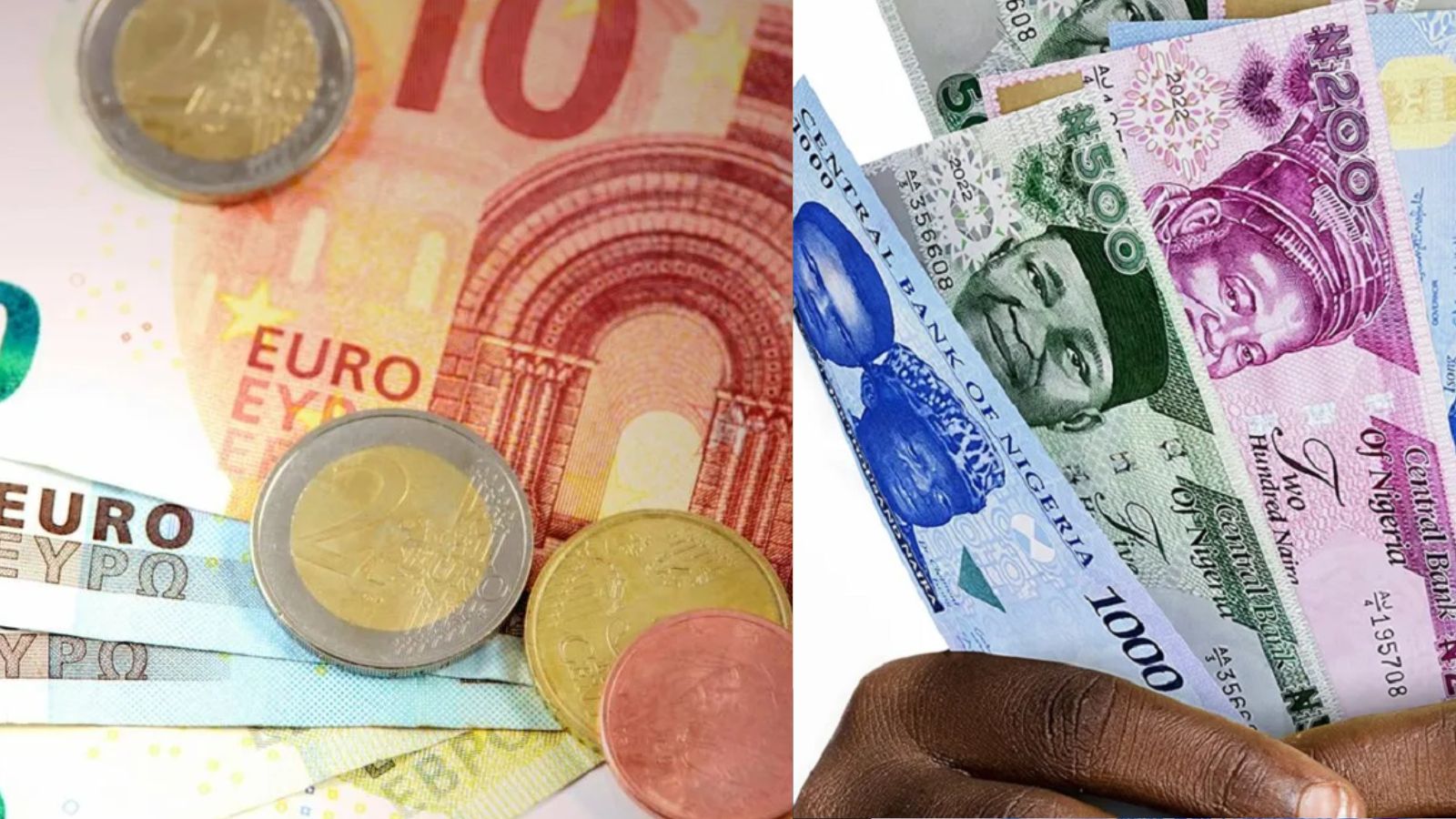
The Nigerian naira came under renewed pressure on 4 January, as the euro continued to strengthen in the country’s parallel foreign exchange market. According to the NGNToday platform, the euro exchanged at N1,705 in the black market, highlighting the ongoing tension between demand and supply for foreign currency.
The persistent gap between demand and availability has kept the parallel market active, with traders and importers turning to unofficial channels to meet euro needs.
The pound’s rise reflects continued reliance on foreign currency for overseas education, medical expenses, travel, and import payments, all of which remain major drains on the local currency.
Market trends show that seasonal factors at the start of the year often heighten the demand for foreign currency.
Families settling tuition fees for international schools, businesses importing goods, and travellers arranging overseas trips collectively drive up the value of major foreign currencies like the euro in the black market.
The naira’s performance against the euro also mirrors wider challenges in Nigeria’s foreign exchange environment. Heavy import dependence, limited non-oil export earnings, and constrained foreign reserves have all contributed to the sustained strength of the euro and other major currencies in unofficial markets.
Read related news from New Daily Prime: Dollar–Naira rates steady across markets, January 3, 2026
Crude oil inflows, while critical, have not been sufficient to bridge the gap between supply and demand, leaving a significant portion of transactions to the black market.
The rise in the euro has direct implications for businesses and households. Companies sourcing goods from the UK face higher costs, which are often passed on to consumers, putting upward pressure on prices.
Similarly, individuals paying for foreign services or tuition are forced to stretch budgets to meet the higher exchange rates.
Analysts note that without a significant increase in foreign currency supply or a reduction in import reliance, the euro and other major currencies are likely to remain strong against the naira in the short term.
The black market continues to serve as a barometer of unmet demand, reflecting pressures that the official market alone cannot absorb.
The trend on 4 January underscores the fragile position of the naira at the start of the year. With the euro trading at N1,705 in the black market against the official rate of N1,678, the currency’s value remains sensitive to seasonal demand, market sentiment, and broader economic pressures. Businesses and households are expected to continue monitoring the situation closely, as the fluctuations in the black market have direct effects on cost of living and business operations across the country.
The start of the new year highlights the ongoing challenge for Nigeria’s foreign exchange market: balancing limited supply against persistent demand, particularly in unofficial channels where rates continue to reflect the true scarcity of foreign currency.
For More Details, Visit New Daily Prime at www.newdailyprime.news

