


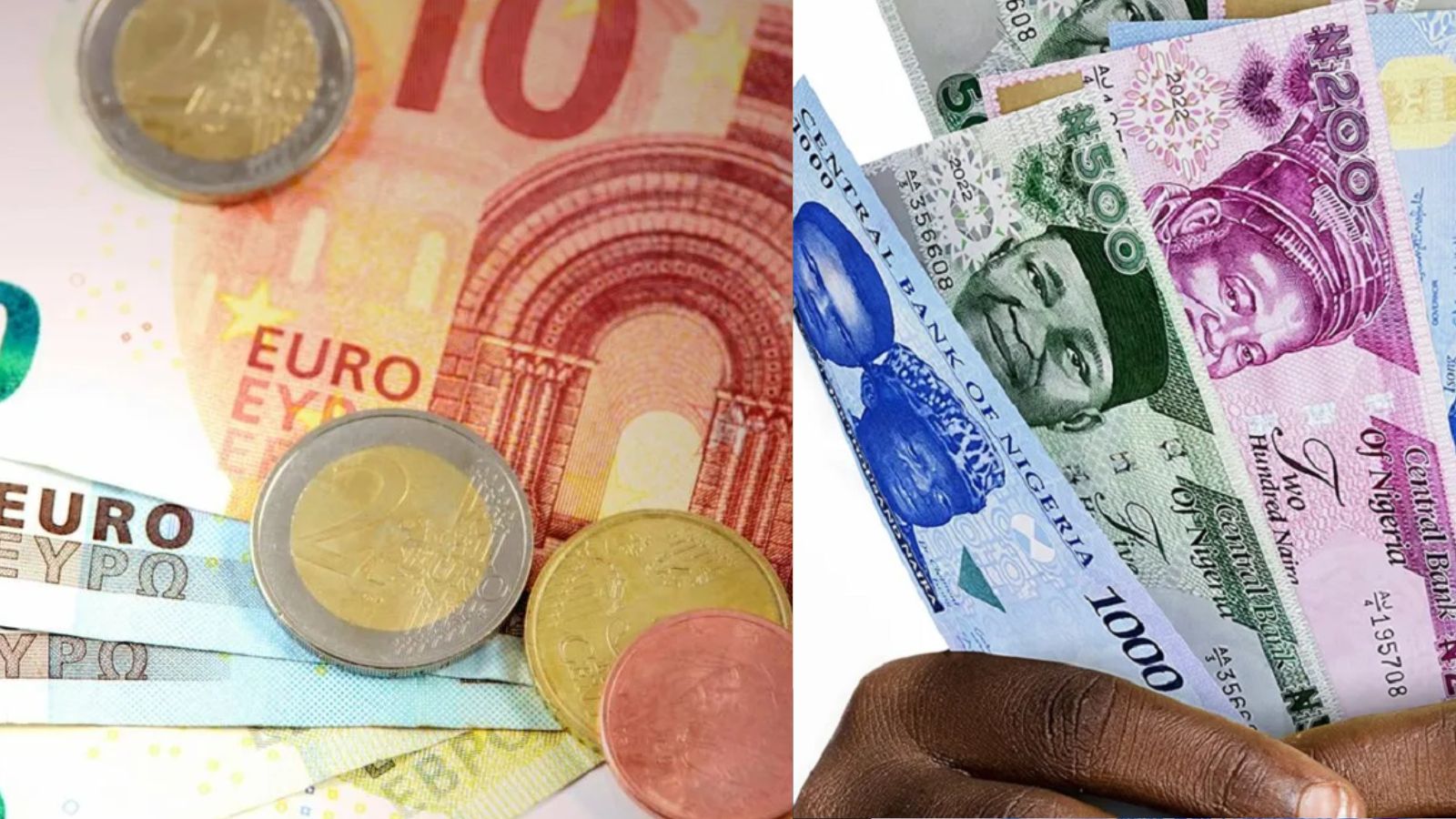
The euro maintained a firm footing against the naira on Monday, 12 January, as both the official and parallel market rates closed unchanged, signalling short-term stability in Nigeria’s foreign exchange market.
Data obtained from the NGNToday platform show that the single European currency exchanged at N1,658 at the official market, while the black market rate stood at N1,710. These figures mirror Sunday closing rates of 11 January, confirming a steady performance following the euro’s recent appreciation against the local currency.
From an analytical standpoint, the flat movement suggests that the market is currently in a holding pattern, with demand and supply dynamics largely balanced. The euro’s ability to retain last week’s gains indicates sustained demand for the currency, particularly for international trade, tuition payments and travel-related transactions, despite ongoing pressures in the broader forex environment.
At the official window, the unchanged rate points to continued regulatory control and limited volatility, while the parallel market’s stability reflects a temporary easing of speculative pressures. The N52 spread between the official and black market rates remains notable, underscoring persistent structural gaps in foreign exchange access and liquidity.
Market observers note that while the euro did not post fresh gains on Monday, the fact that it held on to its earlier appreciation is significant. This resilience suggests cautious optimism among traders, even as participants await clearer signals from monetary authorities and global economic developments that could influence currency flows.
Looking ahead, analysts expect short-term movements in the euro–naira exchange rate to remain modest unless disrupted by policy announcements, changes in foreign inflows, or shifts in global currency sentiment. For now, Monday’s data reflect a market taking stock, stable, but still finely balanced.
For More Details, Visit New Daily Prime at www.newdailyprime.news

