


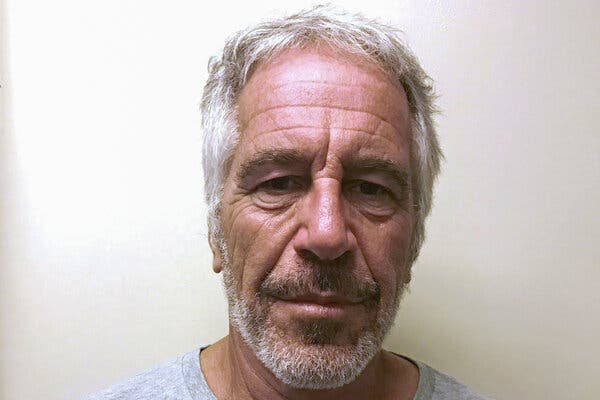
Late American financier, Jeffrey Epstein, once considered venturing into Nigeria’s crude oil trade but ultimately pulled back due to concerns about possible fraud, OilPrice.com has reported.
The energy news platform referenced a 2010 email correspondence between Epstein and a contact identified as David Stern, in which the pair reportedly examined how Nigerian crude oil cargoes are lifted and marketed.
According to OilPrice, their exchange delved into the operational and transactional hurdles tied to Nigeria’s state oil firm, now operating as the Nigerian National Petroleum Company (NNPC) Limited. The report said Epstein grew uneasy about the structure of the proposed transactions and worried about the risk of being swindled.
Although there is no evidence that any deal was finalised, the emails suggest the financier took a serious interest in Nigeria’s oil sector — Africa’s largest crude-producing industry.
Epstein’s reported foray into Nigeria’s energy market adds an unexpected layer to his wider notoriety, as global scrutiny of his activities continues under the ongoing “Epstein files” disclosures in the United States.
The late financier, who cultivated relationships with prominent business leaders, politicians and academics, long portrayed himself as a wealth manager to billionaires. However, the true origins of his fortune remained opaque for years.
He first came under investigation in 2005 over allegations of sexually abusing minors. In 2008, he pleaded guilty in Florida to procuring a minor for prostitution under a plea deal that sparked widespread criticism. More than a decade later, he was arrested again in 2019 on federal charges of sex trafficking minors but died in a Manhattan jail cell while awaiting trial.
Since his death, a trove of court documents, emails and related materials — widely referred to as the “Epstein files” — has continued to emerge, offering fresh insights into his global network of financial and political contacts.
OilPrice’s account indicates that Nigeria’s oil market featured among the business ventures Epstein assessed during his international financial dealings.
Nigeria’s petroleum industry has long faced questions about transparency and revenue oversight. Over the years, several high-profile controversies have plagued the sector, including the Malabu oil deal scandal — one of the most contentious corruption cases in the country’s oil and gas history.
In 2022, the former Nigerian National Petroleum Corporation (NNPC) was transformed into NNPC Limited under the Petroleum Industry Act (PIA) 2021, with the goal of repositioning the company as a commercially oriented enterprise.
Government officials have maintained that reforms introduced under the new framework are designed to enhance governance, efficiency and accountability across the oil sector.

