


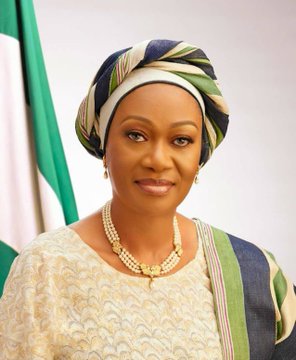
Nigeria’s First Lady, Mrs Oluremi “Remi” Tinubu, held a series of high-level meetings with United States lawmakers and administration officials last week in Washington, D.C., in an effort to address growing American concerns about the safety of Christians in Nigeria, according to international reports.
Mrs Tinubu, who travelled to the US capital to attend the National Prayer Breakfast, an annual gathering of political, religious and business leaders , was welcomed at the event by US President Donald Trump, who publicly described her as a “very respected woman”.
During her visit, the First Lady met with members of the Republican and Democratic parties to press Nigeria’s position that its government is committed to protecting all citizens, regardless of faith, amid mounting international scrutiny. Her diplomatic efforts come at a time when Washington has increasingly focused on violence affecting Christian communities in Nigeria, with some American lawmakers characterising the situation as persecution.
The Nigerian government officially rejects this characterisation, arguing that the country’s complex security challenges, including jihadist insurgency in the northeast, banditry in the northwest, and communal clashes across the central region , affect both Christians and Muslims alike. Independent analysts and Abuja officials alike cite a range of drivers behind the violence, including militant activity, kidnapping for ransom, competition over resources, and widespread criminality.
Read related news from New Daily Prime:
Tinubu’s consoles Kwara over Kaima attacks
Tinubu targets 25 million women in massive national economic expansion
Prayers for Tinubu as Matawalle marries off ten children in Abuja
Despite these differences, diplomatic engagement between Nigeria and the US appears to be increasing. The two countries recently collaborated on a joint military operation in December targeting Islamist militants, and US military officials have indicated ongoing intelligence support and expedited arms cooperation with Nigerian forces.
However, not all reactions to Mrs Tinubu’s mission have been positive. At least one American broadcaster refused to provide her with a platform to discuss Nigeria’s security situation, stating he did not want his programme used to “cover up” the realities on the ground — remarks that reflect broader debate in the United States about Nigeria’s human rights record and religious freedom.
The First Lady, a Christian pastor married to President Bola Tinubu, has sought to emphasise the importance of international cooperation. Supporters of her visit describe it as a strategic use of soft power to rebuild Nigeria’s diplomatic standing after tension with the US over claims about religious violence.
Mrs Tinubu’s Washington engagements highlight the delicate balancing act facing Nigeria’s leadership: reassuring international partners about human rights and religious freedom, while maintaining narrative control at home and managing one of Africa’s most persistent security crises.

