


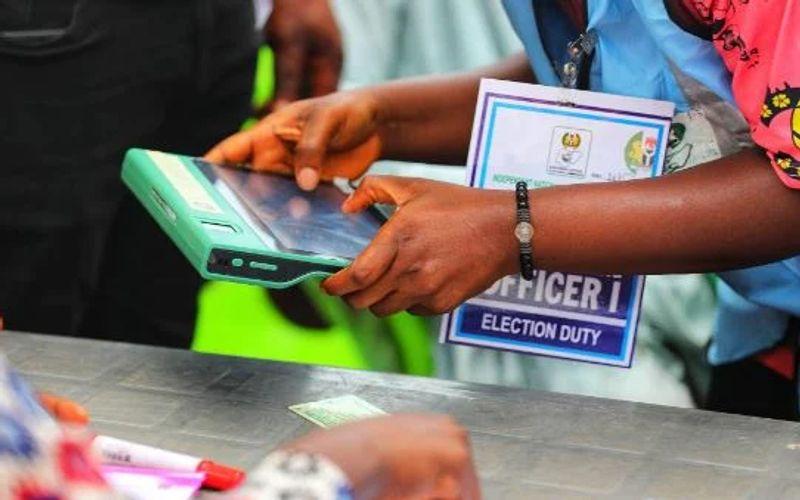
Major opposition political parties in Nigeria have strongly condemned the Senate’s rejection of a proposal to make the real-time electronic transmission of election results mandatory, describing the move as retrograde and a threat to the country’s democracy.
In a joint press statement issued on 5 February 2026, spokespersons from the Peoples Democratic Party (PDP), African Democratic Congress (ADC), and New Nigeria Peoples Party (NNPP) criticised the upper chamber’s decision during its passage of the Electoral Act 2022 (Repeal and Reenactment) Amendment Bill 2026.
The Senate, on 4 February, declined to amend Clause 60, Subsection 3, which would have required presiding officers of the Independent National Electoral Commission (INEC) to transmit polling unit results electronically in real time to the INEC Result Viewing (IReV) portal after signing and stamping the relevant forms.
Read the related story on New Daily Prime: ADC accuses senate of deliberate delays on electoral act amendment bill
The opposition described the action as “anti-people and anti-democratic”, arguing that it could set Nigeria’s democracy back by decades.
They expressed concern that the APC-led Senate appeared intent on preserving loopholes for potential manipulation in forthcoming elections, particularly ahead of the 2027 general polls. The parties questioned why the ruling All Progressives Congress (APC), which uses technology for its internal e-registration of members nationwide, would oppose mandatory electronic transmission of results.
The statement highlighted widespread public condemnation across Nigeria’s divides, noting that the decision had attracted significant opposition.
It referenced past judicial rulings, including those from the Supreme Court following the 2023 elections, which found that the Electoral Act 2022 lacked provisions making electronic transmission mandatory.
This, the parties argued, created a lacuna that needed urgent legislative closure to prevent future disputes and enhance transparency, trust, and confidence in the electoral process.
The opposition urged the conference committee comprising members from both the Senate and the House of Representatives to align with the position of the lower chamber, which reportedly favoured mandatory transmission.
They called on committee members to act as statesmen rather than politicians focused solely on the next elections, prioritising the interests of the Nigerian people and future generations.
Read the related story on New Daily Prime: Zamfara APC denies claims of governorship candidate selection
The statement was signed by Comrade Ini Ememobong (National Publicity Secretary, PDP), Mallam Bolaji Abdulahi (National Publicity Secretary, ADC), and Bamofin Ladipo Johnson (National Publicity Secretary, NNPP).
Meanwhile, Senate President Godswill Akpabio has clarified that the chamber did not reject electronic transmission outright. He insisted that the existing provision in the Electoral Act allowing INEC to prescribe the manner of result transmission remains intact, and the Senate merely retained this discretionary approach rather than imposing a compulsory real-time requirement.
The development has sparked national debate, with critics, including civil society groups and legal experts, warning that discretionary transmission could undermine electoral integrity and reopen avenues for fraud.
The bill, now headed to the conference committee for harmonisation between the two chambers, includes other reforms such as adjustments to election timelines and voter accreditation processes.
For more news, visit New Daily Prime at www.newdailyprime.news

