


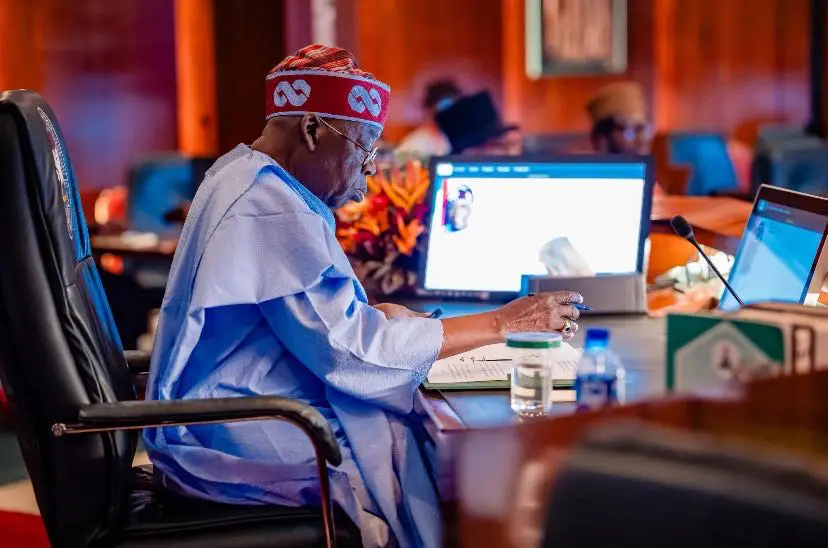
Decades after President Olusegun Obasanjo’s liberal policies sparked a post-1999 economic boom, Nigeria is showing signs of a potential second “golden age.” Under the administration of President Bola Tinubu, a series of aggressive structural reforms are beginning to stabilize an economy that many experts believed was on the brink of collapse when he took office in 2023.
The Inherited Chaos
The scale of the crisis Mr. Tinubu inherited was immense. In 2023, the Central Bank was crippled by $7 billion in unmet obligations, causing an exodus of international investors. A “ruinous” fuel subsidy had drained $10 billion from government coffers in 2022 alone, while a complex, multi-tiered exchange-rate system fueled corruption and inefficiency.
In response, the Tinubu administration administered “bitter medicine”:
• Ending the Fuel Subsidy: Redirecting billions in state funds.
• Floating the Naira: Abandoning the unsustainable dollar-peg system.
• Monetary Tightening: Aggressive interest rate hikes to combat surging prices.
• Oil Sector Revival: Tax incentives and improved security in the Niger Delta to boost production.
Signs of Recovery
Nearly three years into his term, the data suggests the strategy is working. After peaking at a 30-year high of 34.8% in late 2024, inflation plummeted to 15.2% by December 2025. The Naira has finally found its footing following two steep devaluations, and foreign-exchange reserves have climbed to a seven-year high of $46 billion. The IMF now forecasts the economy to expand by 4.4% in 2026.
The Human Cost
Despite the macroeconomic gains, the “golden years” feel far off for many of Nigeria’s 230 million citizens. The urban middle class and the 42% of the population living in extreme poverty have been battered by a quadrupling of rice prices since 2023, while wages have remained largely stagnant.
While Mr. Obasanjo’s success was built on privatization and capital investment, Mr. Tinubu has so far focused on stabilization and the oil sector. Analysts argue that for these reforms to translate into a true “golden era” before the 2027 election, the government must move beyond fiscal repair. To improve the lives of ordinary Nigerians, the administration will need to pivot toward the same economic dynamism that defined the early 2000s, ensuring that stability leads to job creation and affordable living.

