


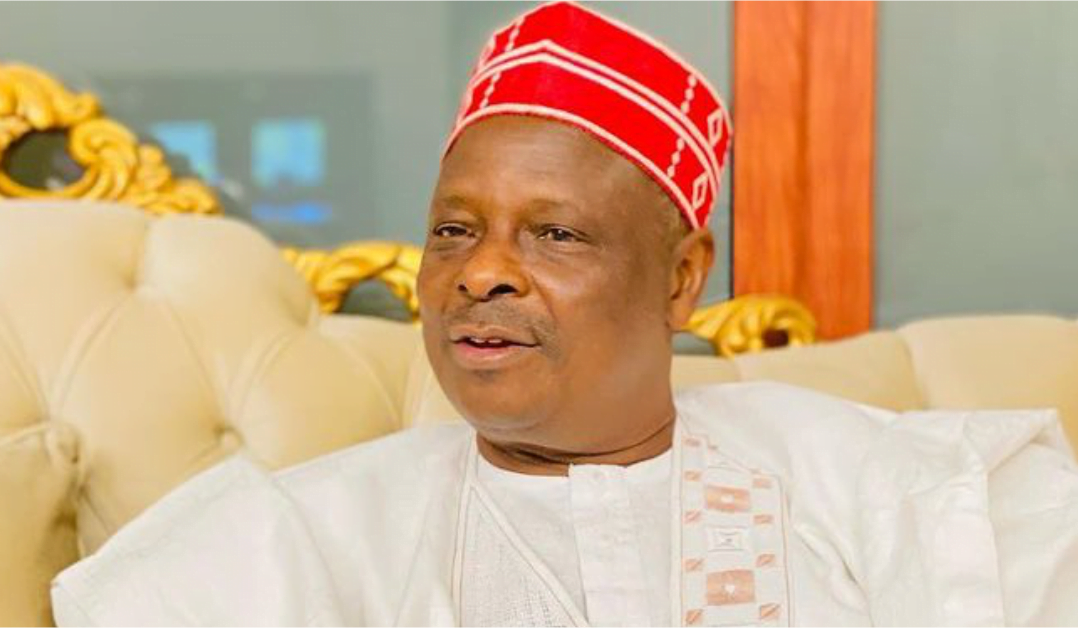
The New Nigeria Peoples Party (NNPP) has dismissed media reports claiming its national leader, Senator Rabiu Musa Kwankwaso, engaged in negotiations to defect to the ruling All Progressives Congress (APC), stating no such discussions ever occurred with President Bola Tinubu or the party’s leadership. The denial comes amid a wave of high-profile defections to the APC and growing speculation about Kwankwaso’s political future ahead of the 2027 general elections.
Rumours of a potential move began circulating after Kano State Governor Abba Yusuf—Kwankwaso’s former protégé and son-in-law—officially joined the APC on January 26, 2026, alongside 22 members of the state house of assembly, nine federal lawmakers, and dozens of local government officials. In his resignation letter from the NNPP, Yusuf cited internal crises, leadership disputes, and legal battles as reasons for his departure, describing the move as “strategic and people-oriented” to advance development in Kano. The defection marked a significant blow to the NNPP, which had secured control of Kano under Yusuf’s leadership in 2023, and fuelled claims that Kwankwaso had made “unrealistic demands” during purported talks with the APC.
Read more news from New Daily Prime:
Taraba gov Agbu Kefas formally defects to APC
FG approves ₦1tn Kano rail project 2 days after Yusuf’s APC return
Baba Yusuf, Group Chief Executive Officer of Global Investment and Trade Company, amplified the claims in an interview with Arise TV on January 30, suggesting Kwankwaso had “overreached” in assessing his political leverage and misjudged negotiations with the ruling party. However, NNPP National Publicity Secretary Ladipo Johnson rejected the allegations outright in a conversation with Sunday Punch, calling them “blatant lies” intended to discredit the former Kano governor.
“It is completely false that Senator Kwankwaso made demands or entered into any negotiations with the APC or President Tinubu regarding defection,” Johnson stated. “The last meeting between him and the President was in 2024, and there was no mention of party alignment. Those spreading these rumours are working to undermine his efforts to unite opposition forces for the benefit of Nigerians.”
Kwankwaso, a seasoned politician with a decades-long career spanning multiple parties, served two terms as Kano State governor (1999–2003; 2011–2015), held the position of Minister of Defence (2003–2007), and represented Kano Central in the Senate (2015–2019) under the APC banner. He later left the party to join the NNPP, contesting the 2023 presidential election and securing 6.23% of the vote. In recent weeks, sources close to Kwankwaso have confirmed he is in high-level talks with prominent opposition figures—including Labour Party’s Peter Obi, former Minister Rotimi Amaechi, and leaders of the African Democratic Congress (ADC)—to form a unified front against the APC. On January 30, he publicly announced his intention to align with the ADC, describing the ruling party as having “destroyed Nigeria” and stating his focus was on building a viable “third force” for 2027.
Political analysts note that the defection wave and opposition coalition efforts reflect broader shifts in Nigeria’s political landscape, with the APC now holding 29 of the country’s 36 governorships. Concerns have been raised about the risk of a de facto one-party state, though Kwankwaso’s push for unity among opposition groups signals ongoing efforts to challenge the ruling party’s dominance.
For more details, visit www.newdailyprime.news

